
How Many Days Do You Need In Hawaii? Plan a Trip to Hawaii Like a Pro
Figuring out how many days do you need in Hawaii depends on your budget, what you want to see, and how you like to travel.
There’s no single right answer. A quick 4-day trip works for some people, while others need two weeks to feel satisfied.
This guide will help you decide the best trip length for your situation, whether you’re visiting for the first time or planning a longer island adventure.
This advice is based on years of planning Hawaii trips, island-specific research, and real visitor itineraries.
Affiliate Disclosure
Related Podcast: How many days do you need in Hawaii?
TL;DR: Most first-time visitors should plan for at least 7 days in Hawaii, with longer stays allowing for more islands or deeper exploration.
- First-timers need a minimum of 7 days to experience one island without rushing through attractions
- Short trips of 3-5 days work if you focus on a single island and plan carefully, but you’ll only see highlights
- One week per island is ideal: 6-7 days for Oahu, 7-8 days for Maui, 7 days for Kauai or Big Island
- Two-week trips let you visit 2 islands comfortably, spending at least one week on each
- Island hopping only makes sense for trips longer than 7 days due to travel time and airport transfers
Choosing the Right Length for Your Hawaii Trip
Planning your Hawaii trip length depends on your budget, travel style, and what you want to see. I’ve helped thousands of visitors figure out the perfect duration for their Hawaiian vacation, and the sweet spot varies for everyone.
How Many Days Should First-Time Visitors Spend in Hawaii?
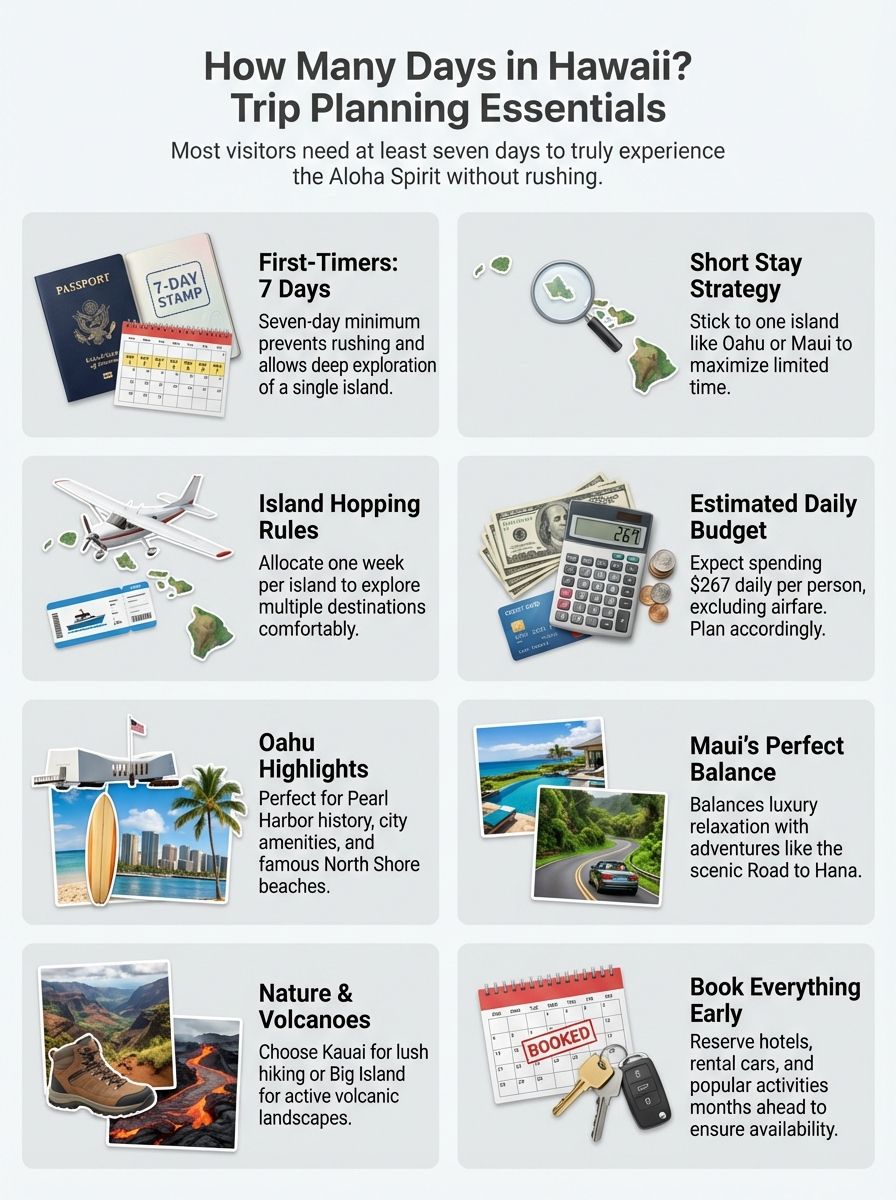
I recommend 7 days as the minimum stay for first-time visitors to Hawaii. This duration gives you enough time to get a feel for island life without rushing through must-see attractions.
Most first-time travelers should pick one island rather than trying to island hop, which allows for a more relaxed pace and deeper exploration.
A 7-day trip provides sufficient time to visit major beaches, take day trips to scenic spots, and experience local culture.
You can spend 2-3 days exploring main attractions, dedicate time to relax on the beach, and still have flexibility for spontaneous adventures.
For those wanting comprehensive coverage of a single island, 10 days offers the best balance between seeing everything important and maintaining a comfortable travel rhythm.
What Can You Do on a 3-5 Day Hawaii Vacation?
Short trips to Hawaii require careful planning to maximize your time. A 3-5 day Hawaii vacation offers a quick highlights experience on one island with limited exploration.
- Focus on a single island to avoid wasting precious vacation time on inter-island travel and airport transfers.
- Choose Oahu or Maui for your intro trip since these islands offer the greatest convenience and activity variety for first-time visitors.
- Plan carefully to fit top attractions into your 3-5 day window, creating a detailed itinerary before you arrive.
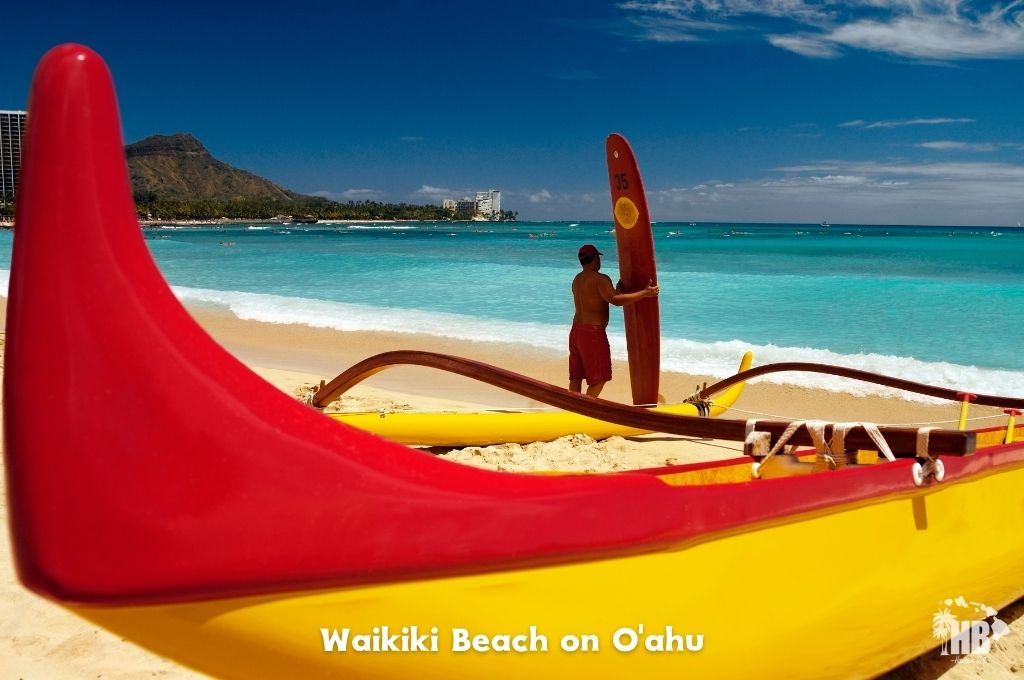
- Visit Waikiki Beach on Oahu for easy access to restaurants, shopping, and water activities all in one location.
- Take a day trip to Pearl Harbor to experience this important historical site and learn about World War II history.
- Explore Diamond Head crater for stunning views of Honolulu and the Pacific Ocean with a moderate hiking trail.
- Drive the Road to Hana on Maui to see waterfalls, bamboo forests, and black sand beaches in one scenic journey.
- Book a helicopter trip to see volcanoes, rainforests, and coastlines from above since ground access takes too much time.
- Snorkel at Hanauma Bay Nature Preserve to see colorful fish and sea turtles in calm, protected waters.
- Consider the Pride of America cruise that visits 4 islands in 7 days if you want to taste multiple Hawaiian islands.
How to Plan a One-Week Trip to Hawaii?
A short trip gives you a taste of Hawaii, but a full week lets you find the perfect balance between adventure and rest. Seven days allows you to alternate active hikes, guided tours, and relaxation without feeling rushed.
- Plan for one or two days to adjust to Hawaii time since the time zone differs by 2-6 hours from the mainland United States.
- Book guided tours and excursions in advance to ensure a loose schedule while hitting major highlights across your chosen island.
- Secure a rental car early for flexibility and access to free or less crowded attractions that tour buses can’t reach.
- Choose accommodations with air conditioning over luxury features if you’ll spend most days outdoors exploring the islands.
- Split your stay between different sides of the island to experience both rainy and dry climates for varied landscapes.
- Dedicate 6-8 days per island based on size: Maui needs 8 days, Kauai requires 7 days, Big Island takes 7 days, Oahu needs 6-7 days.
- Mix active adventures with rest days to avoid burnout and fully enjoy Hawaii’s natural beauty and local culture.
What to Expect from a Two-Week or Longer Stay in Hawaii?
While one week gives you a solid taste of Hawaii, two weeks in Hawaii opens up incredible possibilities. I recommend allocating at least one week per island to truly experience each destination at a relaxed pace.
This timeframe allows you to see highlights of two islands without rushing through must-see attractions like Hawaii Volcanoes National Park, the North Shore of Oahu, or the scenic Hana Highway on Maui.
Extended stays of 14-21 days let you cover 2-3 islands or dive deep into one favorite island. You’ll have time to split between different sides of each island, experiencing both the rainy and dry areas for a richer adventure.
Longer visits also provide flexibility for weather changes and last-minute discoveries of hidden gems beyond the typical tourist spots.
Planning a trip to Hawaii? Here is what you need to know before booking.
Key Factors Influencing Your Hawaii Vacation Duration
Several important factors will shape how many days you need in Hawaii for the perfect vacation, and understanding these elements can make or break your island adventure.
How Long Does It Take to Travel to Hawaii?
Flight time to Hawaii varies based on your departure location. From the U.S. West Coast, expect about 6 hours of travel time to reach the islands. East Coast travelers face a longer journey, with flights taking approximately 14 hours each way.
Midwest departures typically fall somewhere between these two extremes, making the trip more manageable than cross-country flights.
Jet lag becomes a real factor to consider when you plan a trip to Hawaii. The state of Hawaii sits 2 to 6 hours behind the U.S. Mainland, depending on your starting point. This time difference can affect your first few days on the islands, so build some adjustment time into your itinerary.
Inter-island flights between the major islands take just 20 to 50 minutes, making island hopping a breeze once you arrive at Daniel K. Inouye International Airport or other island airports.
How Many Islands Should You Visit in Hawaii?
I recommend focusing on one island for trips under 7 days to avoid the stress and cost of island hopping. Short stays work best with single-island exploration, giving you enough time to see the main attractions without rushing.
Island hopping makes sense only for trips longer than 1 week, as you’ll have proper time to experience each destination.
For two-week trips, visit two islands and spend at least one week on each. This approach lets you explore both the rainy and dry sides of each island, which can enhance your experience significantly.
Trips lasting 10-14+ days allow you to cover 2-3 islands or dive deeper into a single island’s hidden gems.
The four major islands that visitors commonly explore are Oahu, Maui, Kauai, and the Big Island, each offering unique attractions and landscapes that deserve proper attention.
What Activities and Attractions Should You Include?
After deciding how many islands to visit in Hawaii, you need to pick the right activities and attractions for your trip. Each island offers different experiences that can affect your vacation.
- Book Pearl Harbor tickets early on Oahu since this historic site fills up fast and requires advance reservations for the best experience.
- Hike Diamond Head crater for sunrise views, but make state park reservations required for entry at least two days ahead of your visit.
- Plan a full day for the Road to Hana on Maui because this scenic drive takes over 3 hours each way with stops.
- Reserve Hanauma Bay snorkeling at 7 AM HST exactly 2 days before your visit since spots cost $25 and sell out quickly.
- Visit Volcano National Park on the Big Island to see active lava flows and explore Kilauea Iki crater trail.
- Take helicopter tours on Kauai to see the Napali Coast since many areas are only accessible by air or challenging hikes.
- Go whale watching between January and March for the best chance to see humpback whales during peak season.
- Book manta ray snorkeling tours on the Big Island for night dives where these gentle giants feed near Kona.
- Experience a traditional luau on any island, but reserve spots weeks ahead since popular shows fill up during busy seasons.
- Explore Waimea Canyon on Kauai, known as the Grand Canyon of the Pacific, with multiple viewpoints and hiking trails.
- Visit Polynesian Cultural Center on Oahu to learn about Hawaiian culture through interactive exhibits and authentic performances.
How Do You Budget for Accommodations and Expenses in Hawaii?
Hawaii costs add up fast, but smart planning keeps your travel budget on track. Expect to spend about $267 per person daily, not counting flights.
- Hotels charge hidden fees like resort charges, cleaning costs, parking fees, and taxes that don’t show in the listed price. Ask about all extra costs before booking your stay.
- Camping offers the cheapest accommodation option but requires permits from the state. This saves hundreds compared to resort stays on the main islands.
- Vacation rentals near beaches cost more than places a short drive away. Choose locations 10-15 minutes from popular spots like Waikiki or Poipu Beach for better value.
- Food trucks and self-catering cut dining expenses significantly since restaurant meals cost much more than mainland prices. Pack snacks and cook simple meals in your room.
- Car rentals become expensive during peak travel times, so book early for the best rates. Compare prices across different companies and consider the location pickup fees.
- Hotel points and miles provide better value than using them for flights to Hawaii. Save cash by redeeming rewards for accommodations instead of airfare.
- Book flights early and stay flexible with your travel dates to find lower airfare prices. Off-season months offer cheaper rates for both flights and hotels.
- Budget at least $200-300 per day for two people including food, activities, and transportation around the islands. This covers basic expenses without luxury splurges.
Smart timing and advance planning make the biggest difference in your Hawaii travel costs.
How Many Days in Hawaii is Enough Quiz
Quiz Complete!
Our Favorite Hawaii Travel Resources!
✈️ Flights: For the cheapest flights, we use Skyscanner
🚗 Rental Car: We recommend Discount Hawaii Car Rental
🌋 Attractions: We recommend Viator
🌺 Luaus and Tours: We recommend Hawaii Tours
📱 Mobile Tour App: Our favorite is Shaka Guide
Recommended Duration for Each Hawaiian Island
Each Hawaiian island offers unique experiences that require different amounts of time to explore properly. I’ll share my recommendations for how many days you should spend on each major island to make the most of your Hawaii trip.
How Much Time Should You Spend on Oahu for Famous Sites?
I recommend spending 6-7 days in Hawaii on Oahu to explore its famous sites properly. This timeframe allows visitors to experience Pearl Harbor, which requires advance booking, plus tackle the Diamond Head hike and visit the Polynesian Cultural Center.
A 10-day Oahu-only trip provides the ideal duration for a thorough island experience.
Oahu combines city amenities, nightlife, shopping, and historic attractions in one destination. The Bishop Museum and Iolani Palace offer important cultural and historic insights that deserve full attention.
Popular restaurants like Dukes Waikiki require reservations months in advance, so plan accordingly. Food lovers should visit Giovanni’s Shrimp Truck, Marugame Udon, and Side Street Inn during their stay.
While Waikiki Beach draws crowds, Lanikai Beach offers a less crowded, family-friendly alternative for beach time.
Why Is Maui Great for Relaxation and Adventure?
Maui strikes the perfect balance between peaceful relaxation and thrilling adventure. This island offers luxury resorts in Wailea and Ka’anapali where you can unwind on beautiful beaches, while the famous Road to Hana provides an epic 3+ hour drive through tropical landscapes.
The island’s relaxed pace means most activities wind down by 10 PM, creating natural downtime for rest.
Adventure seekers find plenty to explore, from sunrise views at Haleakalā (reservations required up to 60 days in advance) to world-class snorkeling spots. Whale watching peaks from January to March, offering unforgettable wildlife encounters.
Food lovers can savor local favorites at Miso Phat Sushi and Monkeypod Kitchen (my family’s favorite). The combination of stunning beaches, outdoor activities, and laid-back island vibes makes Maui worth visiting for any traveler.
Next, let’s explore what makes the Big Island ideal for volcanoes and landscapes.
What Makes the Big Island Ideal for Volcanoes and Landscapes?
The Big Island stands out as the most geographically diverse destination in Hawaii, offering visitors unique volcanic experiences you can’t find anywhere else. This massive island expands by about 40 acres each year due to active lava flows, creating new land right before your eyes.
Volcano National Park provides incredible hiking trails through volcanic landscapes that showcase the raw power of nature. Black Sand Beach offers stunning scenery where you can spot wildlife while experiencing one of the most beautiful geological formations in the Pacific.
Seven days gives you enough time to explore the island’s multiple climate zones and natural attractions properly. The Big Island’s size makes it perfect for visitors who want to spend time on the islands seeing everything from snow-capped peaks at Mauna Kea to tropical beaches along the coast.
A rental car becomes essential here since many of the best volcanic sites and landscapes require driving to remote locations. Two weeks allows for a more relaxed exploration of both the cultural sites and natural wonders that make this island one of the most beautiful places to visit in Hawaii.
How Can You Experience Nature on Kauai?
Kauai offers incredible outdoor adventures that showcase why locals call it the Garden Isle. I recommend spending at least a week to fully explore Kauai’s diverse landscapes, from dry desert areas to humid rainforest regions.
The Hanakapiai Falls Trail provides an 8-mile trek through lush valleys and leads to a stunning waterfall. Kayaking the Wailua River lets visitors paddle through tropical scenery while spotting native birds and plants.
The Alakai Swamp Trail hike takes adventurers into one of Earth’s highest elevation swamps, where rare native species thrive.
Na Pali Coast stands as Kauai’s crown jewel for nature lovers. Catamaran tours offer the best way to see these dramatic cliffs from the ocean, while experienced kayakers can paddle along the coastline for closer views.
Waimea Canyon, known as the “Grand Canyon of the Pacific,” provides breathtaking vistas that helicopter tours showcase from unique aerial perspectives. North Shore beaches remain less crowded and perfect for whale watching during winter months.
Split stays across different parts of Kauai work well since the climate varies dramatically, letting visitors experience both the island’s wet and dry ecosystems during their trip.
Before your trip length decision, you’ll want to know a few key things that can shape your plans. Check out Hawaii 2026 travel changes to stay current on new rules and requirements. Once you know how long you’re staying, figure out what is the best island to visit in Hawaii based on your interests. Finally, timing matters just as much as duration, so review the best time to visit Hawaii guide to pick the right season for your trip.
Optimal Times to Visit Hawaii
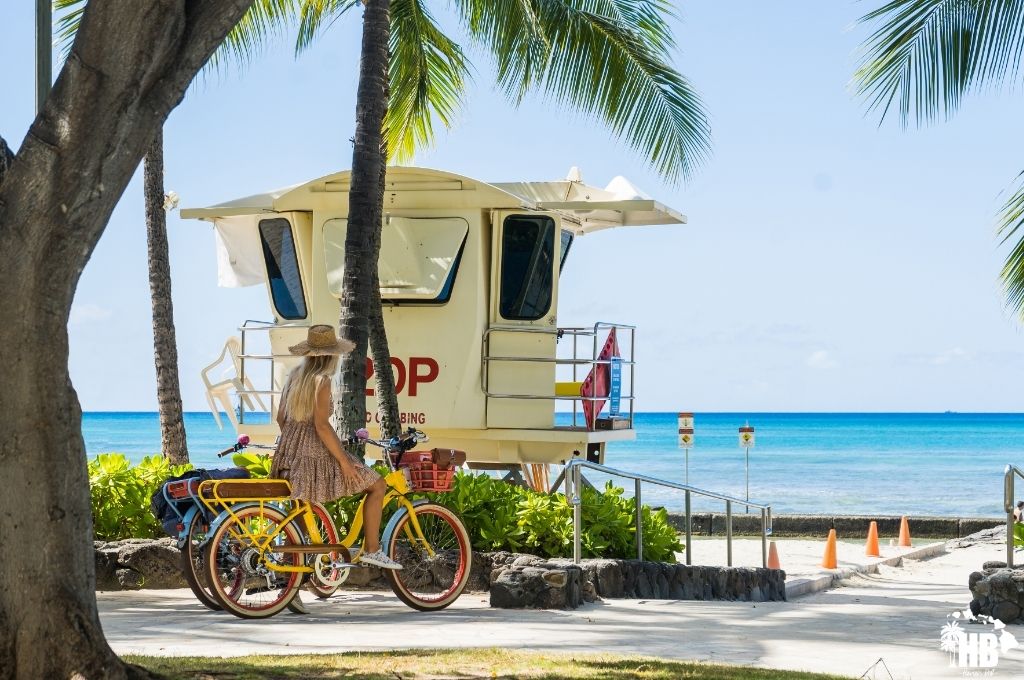
Timing your Hawaii vacation can make a huge difference in your experience and budget. I’ve learned that certain seasons offer better conditions for specific activities, while off-peak months help you spend less on flights and hotels.
When Is the Best Time for Whale Watching in Hawaii?
I recommend January to March as the best time for whale watching in Hawaii. These months offer peak viewing opportunities for humpback whales. Maui stands out as a particularly excellent island for whale watching during this season.
You can spot whales from November to May, but the winter months provide the most reliable sightings.
Peak season aligns with Hawaii’s cooler, drier winter months. Catamaran tours for whale watching fill up quickly during these prime months, so book early. Polihale Beach State Park on Kauai offers great spots for picnics and whale watching.
Nature lovers find this activity a true highlight of their Hawaii trip, making advance reservations essential for the best experience.
What Are the Best Months for Snorkeling in Hawaii?
I find that snorkeling remains popular year-round across the Hawaiian islands, though conditions shine brightest during the calmer summer months and shoulder seasons.
May through September typically offers the most peaceful waters, making these months ideal for underwater exploration at spots like Lanikai Beach on Oahu or Black Sand Beach on the Big Island.
Summer brings gentler ocean conditions that create perfect visibility for spotting tropical fish and coral formations. Spring and fall shoulder seasons also provide excellent snorkeling opportunities with fewer crowds at popular locations.
During these optimal periods, you’ll encounter calmer seas that make activities like manta ray snorkeling on the Big Island even more spectacular. Pack reef-safe sunscreen containing only zinc oxide, as Hawaii bans oxybenzone and octinoxate to protect the coral reefs.
How to Find Budget-Friendly Off-Season Travel to Hawaii?
Beyond timing your snorkeling adventures, smart travelers can slash their Hawaii vacation costs by choosing the right travel dates. January flights offer savings up to 17% cheaper than peak months, making winter an ideal time to visit multiple islands without breaking the bank.
Skip major holidays and events like Christmas, New Year, Thanksgiving, and the Iron Man competition in October to avoid crowds and high prices. Book flights 50 to 70 days out, or 11 weeks ahead for Honolulu Airport, to secure the best fares.
Stay a short drive from the beach instead of beachfront properties for better accommodation value. Save on dining by shopping at farmers’ markets, eating at food trucks, or cooking meals yourself.
Camping offers the cheapest lodging option if you secure permits early. Use hotel points and miles to maximize savings on your stay.
Effective Planning Tips for Your Hawaii Vacation
Planning your Hawaii vacation well makes all the difference between a good trip and an amazing one. I’ve learned that smart preparation helps you save money, avoid crowds, and experience the best each island offers.
How Do You Choose Must-See Attractions in Hawaii?
I focus on each island’s unique strengths to create the best experience. Smart planning helps me secure spots at popular attractions before they fill up.
- Book Diamond Head, Hanauma Bay, and Haena State Park reservations early since these spots require advance booking and fill up quickly during peak seasons.
- Match attractions to your island choice: Pearl Harbor and Polynesian Cultural Center on Oahu, Road to Hana and Haleakalā sunrise on Maui, Napali Coast on Kauai, Volcano National Park on the Big Island.
- Reserve helicopter tours and catamaran excursions first since nature lovers consider these must-see experiences and they book up weeks in advance.
- Visit Bishop Museum or Iolani Palace for cultural context about Hawaiian history and traditions before exploring outdoor attractions.
- Plan food experiences like Giovanni’s shrimp trucks, Monkeypod Kitchen, and local shave ice stands to taste authentic Hawaiian flavors.
- Check Hawaii Beach Safety website before choosing water activities to ensure safe conditions for snorkeling, swimming, or surfing.
- Alternate active days with rest days to avoid burnout, especially after hiking Diamond Head or exploring Waimea Canyon.
- Book guided tours for complex attractions like manta ray snorkeling or volcano viewing to get expert knowledge and safety guidance.
Travel planning becomes easier once you know how long to stay on each island.
Worth Knowing:
After helping thousands of visitors plan Hawaii trips, the most common regret I hear is booking 5-6 days and spending half of it recovering from jet lag and travel fatigue. Your body needs about 2 days to adjust to Hawaii time and settle into island pace, which means a 5-day trip really only gives you 3 full days to enjoy the islands. That’s why 7 days is the true minimum for first-timers, not just a nice-to-have.
What Should You Know About Inter-Island Travel?
Island hopping in Hawaii requires smart planning and realistic timing. I’ve learned that short flights connect the islands, but airport transfers take longer than you might expect.
- Hawaiian Airlines operates most interisland flights, which take just 20-50 minutes between islands. Book these flights early for better prices and availability.
- Multi-island trips work best for stays of 10-14 days or longer. Shorter trips usually need focus on one island per visit.
- Flying into one island and departing from another saves time and money. This strategy works well for efficient travel planning.
- Airport travel and check-in processes add 2-3 hours to your island-hopping day. Factor this extra time into your schedule.
- State park reservations and activity bookings may be required on multiple islands. Research requirements for each destination before you travel.
- Each island offers distinct climates and activities, so pack accordingly for different conditions. The Big Island has snow while beaches stay warm.
- Lanai connects to Maui via a one-hour ferry ride. This option provides a scenic alternative to flying.
- Allow buffer time between flights for weather delays or missed connections. Island weather can change quickly and affect schedules.
Planning your accommodations becomes the next crucial step for your Hawaii vacation.
Why Is Booking Accommodations Early Important?
After you figure out inter-island travel, securing your accommodations becomes the next crucial step. Early booking secures better prices and availability, especially during peak seasons.
Popular hotels and resorts fill up months in advance, leaving late planners with limited choices or higher costs.
I’ve seen travelers struggle to find decent rooms because they waited too long to book. Restaurant reservations for in-demand spots like Dukes Waikiki should be made far ahead. Booking with points or miles works better when done early, giving you more options for redemption.
Early planning helps avoid hidden fees like taxes, resort charges, cleaning costs, and parking expenses that can surprise you later. State park reservations for camping accommodations are required and can sell out quickly.
Cruise options like Norwegian’s Pride of America should be booked well in advance for the best cabin selection and rates.
What Essentials Should You Pack for Island Activities?
Packing smart makes your Hawaii trip much better. I recommend bringing specific items that work well for island activities.
- Pack light clothing and bring a sweater for high elevations or boat trips since temperatures can drop significantly during these activities.
- Bring hiking sandals like Teva, ballet flats, and running shoes such as Allbirds Tree Dashers to handle different terrains and activities comfortably.
- Carry a reusable water bottle like Vapur and pack a daypack for excursions to stay hydrated during long days exploring the islands.
- Use packing cubes to organize your luggage and bring a beach towel for convenience at Hawaii’s many beaches.
- Pack compact binoculars like Olympus 8 x 21 RCII for whale watching and scenic views from places like Nā Pali Coast State Park.
- Bring reef-safe sunscreen with zinc oxide only since oxybenzone and octinoxate are banned in Hawaii to protect coral reefs.
- Carry cash for tipping: $10-20 per person for tours, $5 for valet, $2-3 daily for housekeeping, and 20% at restaurants throughout your trip.
- Consider renting Tommy Bahama chairs and umbrellas for beach comfort or bring your own lightweight beach gear for multiple beach visits.
What to Do Next
- Start by deciding your trip length based on your budget and available vacation days, keeping 7 days as your minimum target for a first visit.
- Pick one island to focus on if you’re planning 7 days or less, or use our guide on what is the best island to visit in Hawaii to choose between two islands for 10-14 days.
- Check the best time to visit Hawaii guide to pick your travel dates, then book flights 50-70 days out to get better prices.
- Review mistakes when planning a trip to Hawaii to avoid common pitfalls that waste time and money.
- Reserve must-do activities like Diamond Head, Hanauma Bay, or Haleakalā sunrise as soon as you know your dates since these fill up weeks ahead.
- Build in 1-2 rest days at the start of your trip to adjust to the time difference and island pace before jumping into activities.
Final thoughts…
So how many days do you need in Hawaii? For most first-time visitors, 7 days is the sweet spot that gives you enough time to settle in, explore one island properly, and actually relax.
Shorter trips can work if you plan carefully and keep expectations realistic, but longer stays of 10-14 days open up the chance to visit multiple islands or dig deeper into one favorite spot.
I learned this firsthand when we did a family trip under 7 days on Oahu. It felt semi-stressful and wasn’t as restful as we hoped because we spent the first two days just adjusting and the last day packing up. That middle stretch went by fast, and we wished we’d given ourselves more breathing room.
Quick recap:
- 3-5 days: One island, highlights only, tight schedule (harder for families)
- 7 days: One island done right with time to rest
- 10-14 days: Two islands or deeper exploration of one
- 14+ days: Multiple islands or extended relaxation
The best trip length is the one that fits your budget and schedule while giving you enough time to enjoy the islands without rushing. Start planning with 7 days as your baseline, then adjust based on what matters most to you.
Need help planning your Hawaii trip?
Get clear, personalized guidance from a Certified Hawaii Destination Expert.
Get 1-on-1 Trip Planning HelpHawaii Trip Planning Challenge
Enjoyed this Post About How Many Days in Hawaii? (Pin it to save it!)

FAQs for How Many Days Do You Need In Hawaii
How many days do you need in Haleakala National Park?
Most visitors need 1 full day to see Haleakalā National Park, but 2 days is recommended if you want to visit both the Summit District and the Kīpahulu District without rushing. The two areas are about 2.5–3 hours apart by car, so trying to do both in one day usually means long drives and limited time for hiking or sightseeing. Weather, road conditions, and sunrise reservations at the summit can also affect how much you can realistically see in a single day.
What's the cheapest month to go to Hawaii?
The cheapest months to go to Hawaii are late April through early June and September through early December, when travel demand drops and flights and hotels are usually priced lower. Late January through early March can also be affordable, except around holiday weekends, since it falls between peak winter travel and spring break. Prices rise sharply during summer, Christmas/New Year’s, and spring break, so avoiding those periods has the biggest impact on cost.
Which Hawaiian island is the most expensive to visit?
Maui is generally the most expensive Hawaiian island to visit, mainly due to higher hotel rates, resort fees, and dining costs compared to other islands. Data from state tourism reports consistently show Maui with the highest average daily visitor spending, while Oʻahu and the Big Island tend to offer more budget-friendly lodging and food options, especially outside resort areas. Costs can still vary by travel season, accommodation type, and location within each island.
Is $2000 enough for a week in Hawaii?
$2,000 for a week in Hawaii is possible, but it’s very tight and only works for a budget-focused trip. It’s most realistic if flights and lodging are booked cheaply in advance, you visit during a low season, and you focus on free activities like beaches and short hikes while limiting paid tours and dining out. On most islands, $2,000 leaves little room for last-minute costs, rental cars, or popular experiences.
RECOMMENDED POSTS

Ep. 213: Top 5 Maui Experiences You Won’t Forget! (Free and Paid Options)
Are you about to overspend on Maui activities that aren’t worth it while missing the island’s most incredible free experience? 👉 20+ Maui Free +...

Monkeypod Mai Tai Recipe: Just Like Monkeypod Kitchen (Copycat)
This post may contain affiliate links, meaning I earn a small commission if you use the links. View our Privacy Policy and for more.RECOMMENDED POSTS

Ep. 207: Top 5 Oahu Experiences You Won’t Forget! (Free and Paid Options)
Planning your Oahu trip and feeling overwhelmed by all the options? This episode cuts through the noise and focuses on five experiences that...
Bryan Murphy is the creator of Hawaii’s Best Travel and a Certified Hawaii Destination Expert through the Hawai‘i Visitors Bureau. He’s an active member of the Hawai‘i Visitors and Convention Bureau and continues ongoing education focused on Hawaiian culture, history, and sustainable travel. As the host of the “Hawaii’s Best Travel” podcast—one of the top travel podcasts in the U.S.—Bryan shares practical, respectful guidance to help visitors experience Hawai‘i in a more meaningful way. His work reaches nearly half a million people across podcast, blog, and social media.