
Oahu North Shore Visitor Controls Could Change How Travelers Plan Future Trips

HONOLULU – Hawaii has moved one step closer to bringing Kauai-style visitor controls to Oahu’s North Shore.
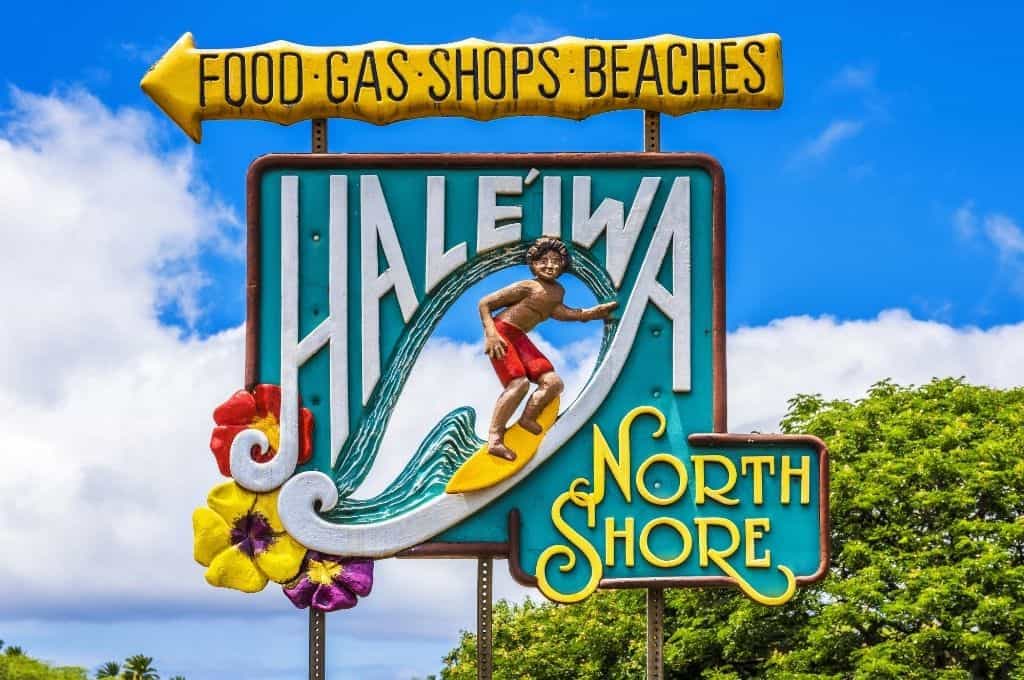
The Hawaii Tourism Authority’s (HTA) draft Destination Management Action Plan for 2026 to 2028 names the North Shore corridor, from Haleiwa through Sunset Beach and Pipeline, as the top priority hotspot on Oahu.
Public comment closed March 2, 2026, and the plan is now under review by the HTA Advisory Board.
Audio overview on North Shore visitor controls
So what does this mean if you’re planning a trip?
The honest answer: almost nothing changes for visitors right now.
No reservation system has been announced for any North Shore beach.
No new parking fees are in effect.
he one piece of the puzzle that is physically real today is the Laniakea highway realignment, which has been under construction and will continue through approximately spring 2026.
This article explains what’s actually in the plan, what’s already happening, and what to watch in the months ahead.
What This Means for Your Hawaii Trip
If you’re driving the North Shore this year, expect the same access you’ve always had, with one exception: Laniakea has reduced parking and active construction, per HDOT’s project notice.
Beaches, surf-watching spots, food trucks, and Haleiwa town are open as usual.
The bigger picture is that Hawaii is studying long-term solutions to real congestion problems.
The Honolulu Star-Advertiser reported on April 26, 2026 that gridlock and unsafe roadside parking are the central issues HTA hopes to address.
Those issues are not new, and the proposed fixes will take years to implement.
What Is Hawaii Actually Proposing for the North Shore?
The draft plan is a traffic and access management framework, not a reservation system.
Here’s a clear snapshot of what’s on the table and where each piece stands:
|
Proposal |
What It Does |
Status |
|
Baseline traffic and parking data |
Studies the actual scale of the problem |
Drafted, not started |
|
Peak-time travel advisories |
Public messaging during busy windows |
Drafted, not started |
|
Park-and-ride shuttle study |
Feasibility only at this point |
Study phase |
|
Haleiwa Mobility Hub |
Bus and tour-van transfer facility |
Separate OahuMPO planning study |
|
Laniakea highway bypass |
$19.5M realignment, new bridge, parking changes |
Under construction now |
|
North Shore reservation system |
Not in the plan |
Not proposed |
The Haleiwa Mobility Hub is being studied separately by the Oahu Metropolitan Planning Organization and is envisioned as a bus transfer point that could feed visitors to North Shore attractions without each one driving a rental car.
The Laniakea bypass, reported by KHON2, is a real and funded $19.5 million project.
It’s also worth noting the context.
A 2025 State Auditor’s report criticized HTA’s previous round of destination management plans as duplicative and weak on accountability.
HTA has said the new round of plans is narrower in scope. Whether implementation matches the ambition is the open question.
Will You Need a Reservation to Visit the North Shore?
No. Not today, and not under the current draft plan.
The “Kauai-style” framing is accurate as a planning model, but Oahu’s North Shore is not a copy-paste of Kauai’s Haena State Park.
How the Kauai System Actually Works
At Haena State Park on Kauaʻi’s north shore, visitors must reserve entry online in advance, and a park-and-ride shuttle is available from the town of Hanalei.
Daily entries are capped.
Plans for the system pre-dated the April 2018 floods, but the closure that followed accelerated implementation.
The result: the road no longer floods with circling cars, but visitors must plan ahead.
Why Oahu Is Different
Oahu’s North Shore corridor is roughly 7 miles of public highway with dozens of beach access points, residential driveways, and businesses along the way.
There is no single gate.
Haena, by contrast, is the literal end of one road. That difference is why the proposed Oahu approach focuses on parking hubs, shuttles, and advisories, not entry reservations.
For deeper background on related Hawaii visitor-management changes, you may also want to read about Maui’s Iao Valley closure for safety upgrades, another example of how the state is investing in visitor infrastructure right now.
What Should North Shore Visitors Expect Right Now?
Heavy traffic during peak hours, especially weekends and during big surf events.
Full parking lots by mid-morning at Sunset, Waimea Bay, and Shark’s Cove.
Reduced parking around Laniakea due to active construction. Lifeguarded beaches and food trucks operating as usual.
A few practical tips for a smoother visit:
Go early, ideally before 9 a.m., or save the North Shore for a weekday.
Bring patience, aloha, especially through Haleiwa town and at the Laniakea bottleneck.
If you’re staying in Waikiki, TheBus and shuttle tours can spare you the parking hunt entirely. But these are limited.
And don’t park on the shoulder where signs prohibit it. Tickets are real, and roadside stopping is one of the issues this plan aims to fix.
If you’re combining North Shore with other islands, Hawaii’s interisland flight prices are worth checking before you book.
For broader Oahu trip planning, Things to do on Oahu’s North Shore and Where to stay on Oahu are good next stops.
Traveler Tip: What to Watch and What to Do Now
For now, your North Shore plans don’t need to change.
What you can do is set realistic expectations: the corridor is busy, Laniakea is under construction, and showing up early is the single best move you can make.
Looking ahead, watch two things.
First, the HTA Advisory Board’s adoption of the final DMAP, expected in the coming months.
Second, HDOT updates on Laniakea construction, which will affect parking and traffic flow through the rest of the project.
Once those pieces firm up, we’ll know more about what visiting the North Shore will look like in 2027 and beyond.
Key Takeaways
- What changed: The Hawaii Tourism Authority’s draft 2026 to 2028 destination management plan names Oahu’s North Shore as the top priority hotspot, proposing parking hubs, shuttle studies, and traffic advisories.
- Who is affected: Eventually, all North Shore visitors, but no traveler-facing changes are in effect today.
- What to do now: Don’t change your trip plans. Go early, expect heavy traffic, and avoid parking on shoulders where signs prohibit it.
- What’s actually active: The $19.5 million Laniakea highway realignment is under construction with reduced parking through approximately spring 2026.
- What to watch next: HTA Advisory Board adoption of the final DMAP, and HDOT updates on Laniakea project completion.
FAQs
1. Do I need a reservation to visit Oahu’s North Shore in 2026?
No. The Hawaiʻi Tourism Authority’s draft 2026 to 2028 destination management plan does not propose a reservation system for Oahu’s North Shore beaches. The draft focuses on traffic data, parking hubs, peak-time advisories, and a park-and-ride shuttle study. You can still drive to Sunset Beach, Waimea Bay, Pipeline, and Haleʻiwa just as you would today.
2. What is actually changing on Oahu’s North Shore right now?
The one active, physical change is the Laniakea highway realignment, a $19.5 million project that includes a new bridge and reduced parking near the famous turtle beach. Construction is underway and expected to continue through approximately spring 2026. Hawaii Department of Transportation has posted parking and traffic adjustments along Kamehameha Highway in that stretch. Everything else in the destination management plan is still in draft, study, or planning phases.
3. How is this different from Kauai’s Hāʻena reservation system?
Kauai’s Hāʻena State Park system requires advance online reservations, caps daily entries, and offers a park-and-ride shuttle from Hanalei. It works because Hāʻena sits at the literal end of one road. Oahu’s North Shore corridor stretches roughly 7 miles with dozens of beach access points, residential driveways, and businesses, so a single-gate reservation model isn’t workable. The proposed Oahu approach focuses on managing traffic flow and parking, not capping who can enter.
4. When will any of these North Shore changes actually take effect?
Most of the proposals are years away. Public comment on the draft plan closed March 2, 2026, and it now goes to the HTA Advisory Board for review and adoption. The Haleʻiwa Mobility Hub is still a feasibility study through the Oahu Metropolitan Planning Organization. Only the Laniakea construction project has firm dates. Travelers should watch HTA Advisory Board meetings for adoption news and follow Hawaii DOT updates for road project changes.
RECOMMENDED POSTS

Renting a Car in Hawaii? An AI Scanner Doesn’t Replace Your Own Photos
[dssb_sharing_buttons columns="5" icon_width="fixed" alignment="left" icon_color="#000000" use_custom_icon_size="on" icon_font_size="16px"...
Flying Interisland in Hawaii? The New 50-Minute Check-In Rule Is Now in Effect
[dssb_sharing_buttons columns="5" icon_width="fixed" alignment="left" icon_color="#000000" use_custom_icon_size="on" icon_font_size="16px"...

Kauai Is Welcoming Visitors Back. So Why Aren’t Travelers Returning?
[dssb_sharing_buttons columns="5" icon_width="fixed" alignment="left" icon_color="#000000" use_custom_icon_size="on" icon_font_size="16px"...
Bryan Murphy is the creator of Hawaii's Best Travel and host of the Hawaii's Best podcast, a top-30 U.S. travel podcast with 700,000+ downloads and a 4.9-star rating from 280+ reviews on Apple Podcasts. A Certified Hawaii Destination Expert and member of the Hawaii Visitors & Convention Bureau, he helps visitors plan more meaningful trips to Hawaii with practical, respectful guidance. His work has been featured in Travel + Leisure, National Geographic, Yahoo!, Simple Flying, USA Today, Parents, and Fox.