Are Hawaii’s Popular Places Getting Too Hard to Visit? Lanikai Could Be Next
Before you scroll, I sometimes share links for Hawaii spots I genuinely recommend. No extra cost to you, it just supports the site. Read our affiliate disclosure for info.
Listen to the Full Podcast Episode:
Or listen on your favorite platform:



Reservations at Hawaii’s popular places aren’t new. Haena State Park on Kauai started its system in 2019, and Diamond Head followed in 2022.
What’s new is how many places now use them, and that Lanikai on Oahu may be next.
In episode 277, I ask a simple question. Are these changes making things better, or just making Hawaii harder to visit? There’s a big difference between managing tourism and limiting access.
Below, you’ll find a quick overview of the episode, then the latest Lanikai findings.
The short version is this. Lanikai Pillbox reservations are being developed, and the beach parking rules are changing. Nothing is closing, and nothing here should scare you off. You just need a plan.
What you'll discover in this episode:
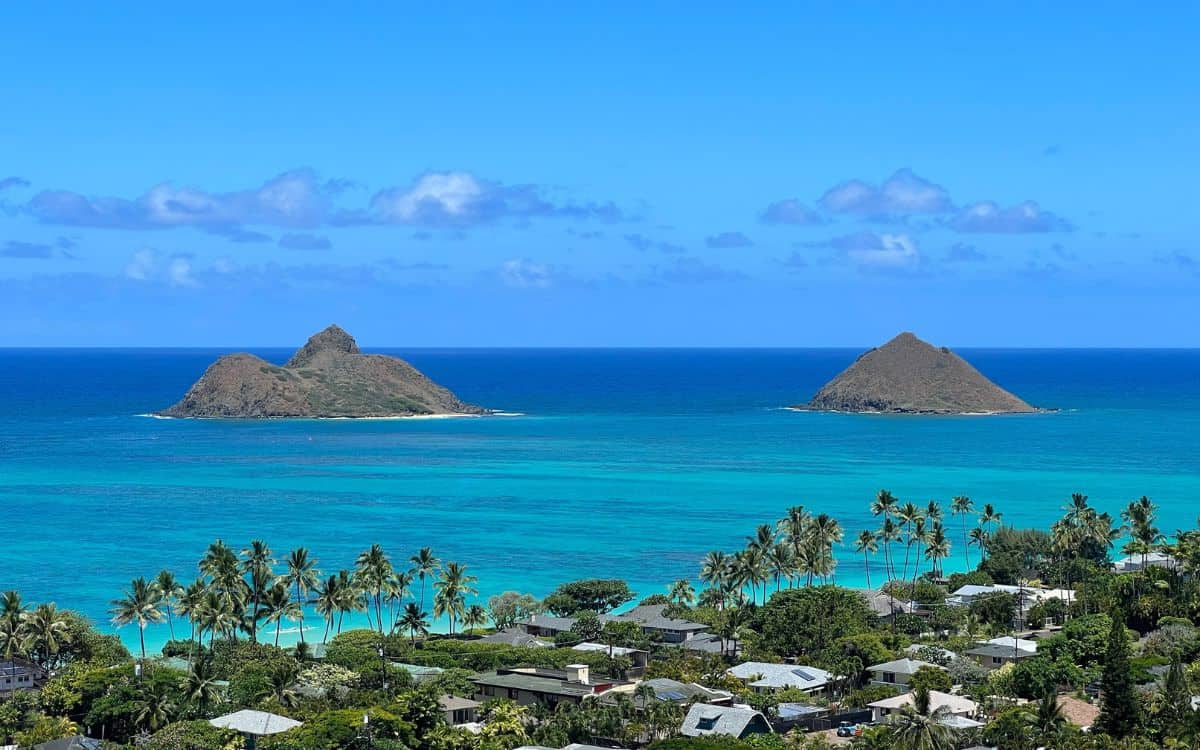
Lanikai first. Honolulu has a plan to change parking around the beach. Residents deal with jammed roads, blocked driveways, and emergency vehicles that can’t get through. But Lanikai is a public beach, and the public needs a reasonable way to get there.
Then the bigger picture. Diamond Head requires advance reservations for out-of-state visitors. Haena State Park on Kauai has daily visitor limits, reservations, and shuttles. Hanauma Bay uses reservations to manage entry. I like some of this, because Hawaii isn’t Disneyland. But a reservation system doesn’t automatically mean a place is well managed.
What residents say. A resident survey released this year found that 53% agree tourism brings more benefits than problems, down from 58% last year. Still, 70% have a favorable view of tourism. Only 26% feel they have a voice in tourism decisions.
The plan and my three tests. The Hawaii Tourism Authority has a plan that looks ahead to 2030 and focuses on value over volume. I judge tourism management with three questions. Are residents seeing daily life improve? Are natural and cultural places being protected? Can visitors still enjoy them in a respectful way? I think Hawaii is moving in the right direction.
What it means for your trip. Adjust your expectations and plan a little better. You don’t need every famous beach and hike. Pick one main activity, add a couple of stops nearby, and go at the pace of the island.
A Quick History of Hawaii Reservations
The big picture in the episode is the latest chapter in a story that’s been going for years. Here’s how it unfolded.
2019: Haena State Park, Kauai. This was the first state park with a reservation system. Out-of-state visitors got reservations and a shuttle, and only Hawaii residents could park in the main lot without one.
Late 2020: Hanauma Bay, Oahu. The bay reopened after the pandemic closure with a daily visitor cap and online reservations. Check the current limits before you go.
2021: Waianapanapa State Park, Maui. Reservations became required for nonresidents beginning March 1, 2021.
2022: Diamond Head, Oahu. On May 12, 2022, it became the third state park to require reservations for out-of-state visitors. Before the pandemic, it hit a record of more than 6,000 people in one day.
2026: More places keep joining. My July 2026 Hawaii reservations and fees guide covers newer rules, like nonresident fees at Wailua River State Park starting in February 2026. Rules change often, so check before you go.
So Lanikai Pillbox reservations wouldn’t be a new idea. They’d follow a pattern that started seven years ago.
Lanikai Findings: What’s Confirmed and What’s Not
I dug into the city and state records after recording. Here’s what I found, and what I can’t confirm yet.
Why might Lanikai be next? It’s a public beach in the middle of a neighborhood, and it sits at the base of one of Oahu’s most popular short hikes. Residents have raised concerns about traffic and safety for a while. The state already uses a reservation model at Diamond Head, so it’s a familiar tool.
That doesn’t mean Lanikai is about to become hard to visit. It means the rules are catching up with the crowds. Knowing the plan ahead of time is how you stay ahead of it.
Lanikai Beach Parking Changes
The beach itself isn’t getting a reservation system. The issue is parking.
The city has a final Lanikai Transportation Management Plan, and you can read the overview on the City and County of Honolulu’s Lanikai plan page. Phase 1 adds no-parking signs on Mokulua Drive, the street residents use to leave the neighborhood. It also adds loading and drop-off zones near each of the five beach accesses.
Phase 2 would add no-parking signs on Aalapapa Drive and widen some side streets. Those streets would become one-way with marked parking stalls. The city says it will watch how Phase 1 works before moving on.
The City Council approved $500,000 for this work in the 2027 budget. According to the city record, those funds lapse after a year, so the city wants to move quickly. As of this writing, I haven’t seen installation dates, and I can’t say how much is in place.
There’s already a bus into the neighborhood, and the drop-off zones are meant to keep access open. The real test is whether those options work well enough.
Lanikai Pillbox Reservations
The Lanikai Pillbox hike is a separate issue from the beach. The trail’s official name is Kaiwa Ridge Trail. Most of us call it the Pillbox hike, after the two old wartime lookouts on the ridge.
A city record from this summer says the state is developing a reservation system similar to Diamond Head’s. The update said it could launch within about six months. It also warned that the date could slip until after trail construction is done, and that the trail would close during that work.
SFGATE reported on November 12 that the Department of Land and Natural Resources (DLNR) is working with a contractor on the booking platform. The reported plan would require reservations for nonresidents, and Hawaii residents would be exempt. I haven’t confirmed that part with the state myself, so treat it as reported, not final.
Here’s what I can’t confirm: a working booking site, a start date, fees, how far ahead you can book, or whether the trail is closed right now. If someone gives you those as facts today, they’re guessing.
If you want an easy beach day with white sand and big views, I’d point you to Waimanalo Beach on the east side of Oahu. It’s one of my favorites.
What You Need to Know Before You Go
- Check the DLNR website for Lanikai Pillbox reservations, and the city’s Lanikai plan page for parking, before your trip. Rules can change after I publish this.
- Book reservation spots like Diamond Head, Hanauma Bay and Haena as soon as your dates are set. Check the current rules and fees first.
- Use my free Hawaii reservation checker to see when your booking window opens, in your own time zone.
- Plan your Lanikai drop-off or bus ride ahead of time, instead of counting on street parking.
- Keep your Pillbox morning flexible in case the trail is closed or booked.
- Pick one main activity each day and add a couple of stops nearby.
Listen to the Full Episode
Press play at the top of this page to hear all of episode 277, including my take on whether limits are working. You can also find it wherever you listen to podcasts.
Already planning your Oahu trip? Start with the reservation checker so you don’t miss a booking window.
Featured on the Show:
Related to the TOPIC KEYWORD:
- Blog Post: 23 Critical Things to Know for Planning a Trip to Hawaii
- Blog Post: 5 Ways to Travel Responsibly to Hawaii
- Episode 204: Best Time to Visit Hawaii for Families
Help Other Hawaii Enthusiasts Find the Podcast!
- If this episode resonated with you, or you know someone who needs to hear it, please share.
- Leave the podcast a review in Apple Podcasts and let us know what topics you would like to hear.
- Don’t miss an episode—follow the podcast on Apple Podcasts, Spotify, or RSS.
- Watch podcast episodes on YouTube.
Join us each week for practical Hawaii travel tips, local stories, and cultural insights to help you plan a better trip to the islands.
Please follow on your favorite podcast platform:




Looking for more Hawaii travel tips? Click here to browse all episodes of the Hawaii’s Best Travel podcast.
Has the podcast been helpful for you? Please leave a review here. Even one sentence helps!
Transcript
277_Are Hawaii’s Popular Places Getting Too Hard to Visit
[00:00:00] Tourism Limits Debate
[00:00:00] Bryan Murphy: What we’re seeing across Hawaii is more reservations, visitor limits and restrictions at many popular places, but are these changes actually making things better or are they just making Hawaii harder to experience and to visit? Because I think there’s a big difference between managing tourism and simply limiting access, and it really does matter for your next trip to Hawaii.
[00:00:25] Bryan Murphy: Aloha and welcome to Hawaii’s Best. I’m Brian Murphy, a Hawaii destination expert and your personal guide to planning a better Hawaii trip. Through practical tips, local voices, and stories from the islands, I’ll help you make the most of your time in Hawaii and stay connected between visits. Aloha, thank you for joining me on this episode of Hawaii’s Best.
[00:00:45] Bryan Murphy: If this is your first time joining me on an episode or if you’ve been listening to the podcast for eight years, thank you so much for your time and your attention to, to listening. I would just encourage and ask you all to go ahead and hit follow on Apple Podcasts if that’s where you’re listening, because that is one of the best ways to support this show and to help other people who love Hawaii as much as you find this podcast and to plan a better trip to Hawaii.
[00:01:15] Lanikai Parking Problems
[00:01:15] Bryan Murphy: So we’re gonna start off with Lanikai. You probably know the beach I’m talking about on Oahu is that beautiful stretch of white sand and it’s got the two islands offshore. It’s incredible views, but it’s also in the middle of a residential neighborhood, and that’s where things get a little tricky.
[00:01:33] Bryan Murphy: Lanikai Beach isn’t a beach that I typically recommend. I’m just gonna say that right up front. If you want that white sand, beautiful beach, I always encourage people to check out Waimanala Beach. It’s one of our favorite beaches over on the east side of the island of Oahu. It’s got the same white sand as Lonikai, same beautiful views, but a lot less headache.
[00:01:55] Bryan Murphy: I read a report recently about how Honolulu has a transportation plan that’s getting put in place that would change parking throughout Lonikai. And the first phase would basically remove parking along Mokalua Drive and it would add designated loading areas near beach access points. Then a later phase would bring additional restrictions along with changes to side street parking and traffic flow.
[00:02:21] Bryan Murphy: So the beach isn’t closing, that’s important to know. And as of this recording, the city hasn’t announced a construction date for these proposed changes. But the issue has been making headlines again because residents have raised concerns and, about congested roads, blocked parkways, and I would say even more importantly, emergency vehicles having trouble getting through.
[00:02:45] Bryan Murphy: And I, I totally get it. I, I can’t imagine living in a place like that, but, you know, just try as best as we can imagine living somewhere that becomes a traffic jam every weekend, I mean, every day basically, because people want to visit the beach down on your street. And how lucky that Lonikai Beach is in your backyard, but it does and has come with a lot of headaches for the residents there.
[00:03:07] Public Access Balance
[00:03:07] Bryan Murphy: But there’s another side to this as well. Lonikai is technically a public beach and public access should mean people, the public, have a reasonable way to enjoy the beach and to get there as well. That doesn’t mean everyone gets to park wherever they want those. I get there’s definitely a fine line to walk here, but it, it means the transportation system needs to work and there needs to be solution.
[00:03:31] Reservations Across Hawaii
[00:03:31] Bryan Murphy: I think that gets to the heart of this whole conversation because you look at what’s already happening around the state of Hawaii, all the islands. Diamond Head requires advanced reservations for out-of-state visitors. In a state park on Kauai has daily visitor limits, reservations, and shuttle options.
[00:03:47] Bryan Murphy: And then Hanama Bay, user reservations to manage entry. You got Pearl Harbor, that’s nothing new. But there have been a lot of new systems put in place the last couple years. I think they show how much visiting Hawaii’s most popular places has changed over the recent years. And in some ways, I actually welcome it.
[00:04:08] Bryan Murphy: Uh, you know, think about Anna, for example, you’ve got limited space, there’s sensitive natural resources that if, that’s, you know, Hawaii’s not Disneyland. You can’t just go, you know, like, you know, paint the rocks or like clean it up. It, it’s sensitive, natural resources and a small community that lives and, and deals with the traffic, you know, pay attention to that.
[00:04:30] Bryan Murphy: You can’t just keep adding cars and adding people and expect everything to just work itself out, you know, see what happens.
[00:04:36] Do Restrictions Work
[00:04:36] Bryan Murphy: As a visitor, having a reservation can be a whole lot better than driving around all day only to find that there’s nowhere to park. But there is a catch. A reservation system doesn’t automatically mean a place is being managed well.
[00:04:51] Bryan Murphy: So it, it really depends on, I think, what problem it’s solving and whether it’s actually solving the problem and not just creating headache just to create headache.
[00:05:01] What Residents Think
[00:05:05] Bryan Murphy: And this is where I think we need to pay attention to what people living in Hawaii are actually saying and are actually experiencing because there was a survey done.
[00:05:10] Bryan Murphy: It was a resident survey and it was released this year and only 53, 53% of Hawaii residents agree that tourism brings more benefits than problem. That’s down by 5%. It was 58% last year. But at the same time, 70%, 7-0, still had a favorable view of tourism. So that’s an important distinction. It’s not as simple as saying Hawaii residents don’t want visitors.
[00:05:37] Bryan Murphy: That’s not necessarily the majority in what these surveys have shown. There’s a recognition that tourism supports jobs and businesses in Hawaii, but that doesn’t mean people are happy with everything that comes with it. And then there was another number that stood out in this survey that only 26% of residents felt they had a voice in tourism development decisions.
[00:06:00] Bryan Murphy: So, you know, think you just think about that for a second. We’re talking about managing tourism in, in communities where many residents don’t feel they have much say in how it’s managed. And, and to me, that’s a pretty important part of the story. And it really helps explain why Hawaii’s tourism strategy is changing.
[00:06:17] HTA Plan To 2030
[00:06:17] Bryan Murphy: And I think the HTA, the Hawaii Tourism Authority, is doing a good job at making this shift. They, they released a new plan this year and it’s looking ahead towards 2030. And one of the priorities is getting more value from tourism rather than focusing simply on bringing in more and more and more visitors.
[00:06:37] Bryan Murphy: And I think that is an important shift, but I don’t think we should just measure successful tourism management based on how many reservations or restrictions, you know, get added, how many new things get added with that. And I don’t think we should also measure it by visitors spending either necessarily.
[00:06:54] Three Measures Of Success
[00:06:54] Bryan Murphy: For me, kind of on the outside looking at all these numbers, there’s three things I think that make the most sense from my perspective. And, and the first, are residents actually seeing an improvement in their daily lives? The second question I would, I would just kind of pose is, are the natural and cultural resources that Hawaii is trying to protect, are they actually better off and are they being preserved as best as they can for future generations?
[00:07:20] Bryan Murphy: And thirdly, can people still experience these places in a reasonable and respectful way? So just from my point of view, if there is progress being made in those directions, I get it. It takes time. And I think that the HTA is asking the right questions and is listening to residents. I think it takes time.
[00:07:39] Back To Lanikai Solutions
[00:07:39] Bryan Murphy: But back to Lanikai, the city is proposing loaning areas and changes to side street parking, and there’s already a bus service into the neighborhood. So it’s not really fair to say that they’re removing parking or anything like that. The real test will be whether those options actually work well enough.
[00:07:58] Bryan Murphy: And I gotta admit, I like that there is some solutions and there is action being taken. Zooming out, good tourism management isn’t about keeping people out. It’s about figuring out how people can visit without creating problems that the community and the environment have to absorb. But, you know, don’t get me wrong, that doesn’t mean every place needs to accommodate unlimited visitors.
[00:08:22] Bryan Murphy: Some places genuinely need limits. 100% agree with that. But the limits should have a clear purpose, and I think we see that at Hanama Bay, for example, that has been working. So based on all I’ve read and based on my conversations, even with, with the HTA, is Hawaii tourism changing for the better? Honestly, from what I see, yes, I think it definitely is changing in the right direction based on the past, I don’t know, 10, 15 years.
[00:08:50] Bryan Murphy: I think it is going in the right direction. And I think it’s a good thing that Hawaii is taking a closer look at how tourism affects the people who live there, the communities that live there and the places we’re all coming to enjoy.
[00:09:04] What It Means For You
[00:09:04] Bryan Murphy: So what does it mean? You’re traveling to Hawaii. What does it mean for your trip?
[00:09:07] Bryan Murphy: I, I think, you know, we just need to adjust expectations and plan a little bit better. I’ve linked some resources in the show notes below of some tools that I’ve created, like how to check for reservations, how to schedule reservations, and just how to plan your overall trip because it’s not like it was 10 years ago or so.
[00:09:26] Bryan Murphy: I mean, you don’t need to see everything to have a great Hawaii trip. You don’t need every famous beach, every popular hike, every restaurant you saw on Instagram. Maybe it’s just planning around one main activity, adding a couple things nearby and just going at the pace of the island. That’s important about visiting.
[00:09:44] Bryan Murphy: It’s not rushing around from place to place. All right.
[00:09:47] Final Takeaways Farewell
[00:09:51] Bryan Murphy: So that’s my kind of two cents on the topic. The biggest takeaway is if you’re wanting how to plan a better trip to Hawaii, one of the best ways to do that is hit follow because I bring episodes like this twice a week, helps you plan a trip, helps you stay connected to Hawaii, and really that’s the best way to just know what’s happening.
[00:10:08] Bryan Murphy: All right. Thanks for hanging out with me today. And until next time, as always, live with Aloha.
RELATED PODCASTS

Ep 130: Sunrise to Sunset: Explore Oahu’s Windward Coast in Just One Day with Professional Photographer Heather Eijenga
Today, we’re setting off on an unforgettable journey along Oahu’s Windward Coast. With the expert guidance of renowned professional photographer...

Ep 129: 40 Years of Kapena: A Legacy of Music with Kelly Boy De Lima
On this episode of the podcast, we’re celebrating an incredible milestone with a legend in the local music scene, Kelley Boy De Lima from Kapena....

Ep 128: One Year After Lahaina Wildfire: Progress, Challenges, and Hope
Today marks a poignant chapter in Hawaii's history—one year after the devastating wildfires that reshaped Lahaina, the once vibrant capital of all...
Bryan Murphy is the creator of Hawaii's Best Travel and host of the Hawaii's Best podcast, a top-30 U.S. travel podcast with 700,000+ downloads and a 4.9-star rating from 280+ reviews on Apple Podcasts. A Certified Hawaii Destination Expert and member of the Hawaii Visitors & Convention Bureau, he helps visitors plan more meaningful trips to Hawaii with practical, respectful guidance. His work has been featured in Travel + Leisure, National Geographic, Yahoo!, Simple Flying, USA Today, Parents, and Fox.