Hawaiian and Alaska Airlines Websites Linked to Malware. What If You Booked a Flight?
Hawaii travel news can change quickly. Always confirm current details with official sources before making travel plans.
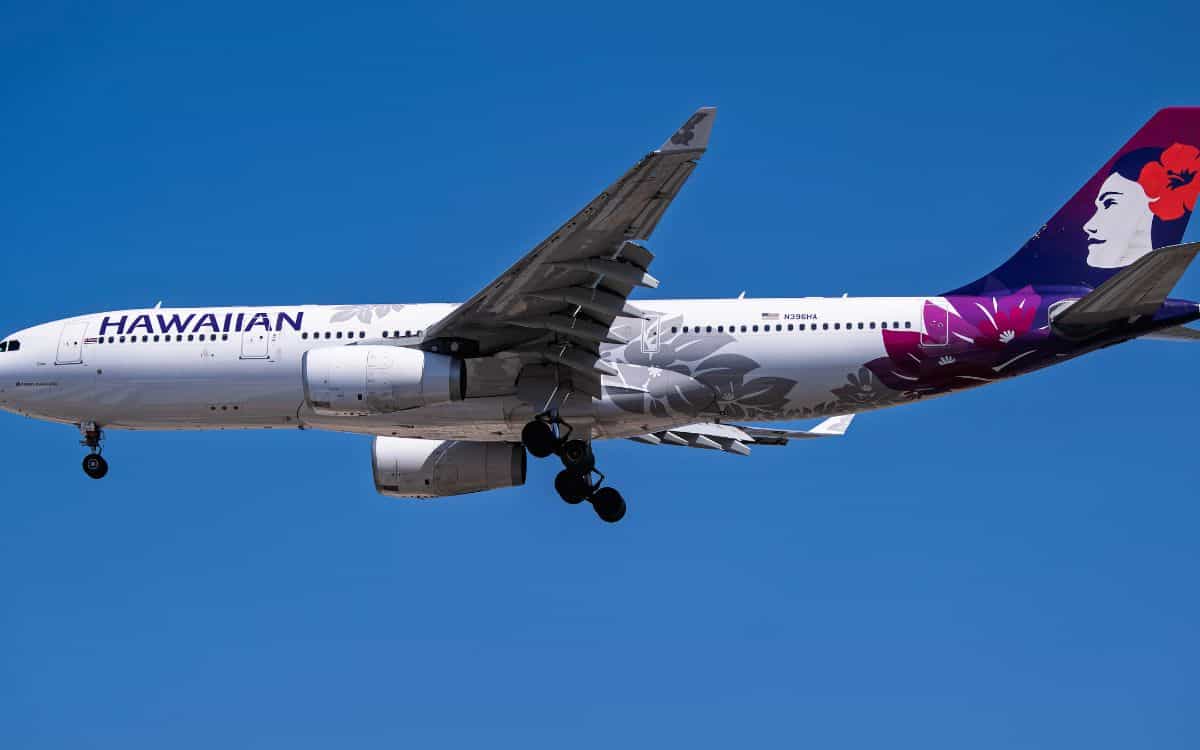
If you’ve recently booked a flight with Hawaiian or Alaska Airlines, there’s a website security incident worth knowing about.
On November 16, 2026, both airlines’ websites were linked to a malware attack involving Optimizely, a third-party technology company used by hundreds of major websites.
The good news? Alaska and Hawaiian Airlines say their flight operations and passenger safety were not affected.
The part still being investigated is whether any customer information was exposed.
Here’s what happened and whether there’s anything you need to do before your next Hawaii trip.
TL;DR: What Travelers Need to Know
- What happened: Malicious code was found in third-party software associated with the Hawaiian and Alaska Airlines websites on November 16.
- Are flights affected? No. The airlines say flight operations and passenger safety were unaffected.
- Was payment information stolen? No confirmed theft of Hawaiian or Alaska passenger payment information has been announced.
- Has the problem been fixed? Optimizely says it closed the vulnerability and removed the malicious code on November 16.
- What should you do? If you entered payment information on either website on November 16, keep an eye on your card statements. Make sure your phone and browser are updated, too.
What Happened to the Hawaiian and Alaska Airlines Websites?
The attack didn’t start with Hawaiian or Alaska Airlines.
It involved Optimizely, a technology company that helps businesses test and improve their websites.
On November 16, someone exploited a security flaw in Optimizely’s Web Experimentation platform. The attacker was able to insert malicious computer code into software used by some of Optimizely’s customers.
That code could then run when people visited affected websites.
Cybersecurity researcher Scott Helme, from Report URI, identified 188 infected software scripts associated with 178 organizations.
The list included Hawaiian Airlines, Alaska Airlines, CNN, Zoom, and several major banks and retailers.
In other words, this was a much larger incident than just two airlines.
Optimizely says it detected the activity, blocked the malicious code, closed the vulnerability, and removed the infected code from affected projects on November 16.
The company is continuing its investigation with outside cybersecurity experts.
What Are Hawaiian and Alaska Airlines Saying?
On November 18, Hawaii News Now reported that both airlines were investigating the incident.
Alex Da Silva, regional communications director for Alaska and Hawaiian Airlines, confirmed that the companies were working with Optimizely to understand what happened.
He also said flight operations and the safety of passengers and employees were unaffected.
That’s an important distinction.
A website security incident doesn’t automatically mean an airline’s reservation system has been compromised or that flights are being disrupted.
At this point, there is no confirmed need to cancel, rebook, or change your Hawaii flight because of this incident.
The airlines have not publicly confirmed whether any passenger information was stolen.
Could Your Credit Card Information Be at Risk?
This is the question travelers are probably most concerned about.
According to Optimizely’s November 17 security report, the malicious code was designed to collect payment card information entered into certain website forms.
It could potentially capture card numbers, expiration dates, and security codes.
However, the risk depended on how each affected website handled its payment information and whether security protections blocked the code.
Optimizely also found that payment information entered through certain separately hosted payment forms was not accessible to the malicious script.
What does that mean for Hawaiian and Alaska passengers?
I cannot confirm that passenger credit card information was stolen from either airline’s website.
We also don’t yet know which specific airline pages were exposed, whether payment forms were affected, or how many visitors might have encountered the malicious code.
Those details matter before anyone can say how much risk travelers actually faced.
For now, there’s a difference between a confirmed security incident and confirmed theft of customer information.
What Should You Do if You Recently Booked a Flight?
If you’ve used either airline’s website recently, there’s no reason to assume your information was stolen.
But a few simple precautions make sense, especially if you visited on November 16.
1. Check your credit card activity
If you entered payment information on either website on November 16, review your recent transactions.
Look for charges you don’t recognize.
If something looks suspicious, contact your bank or credit card company using the number on the back of your card.
2. Update your phone and browser
The wider attack also included malicious code designed to target certain older versions of Apple’s iPhone and iPad software.
If you’re using an iPhone or iPad, go to Settings, then General, then Software Update to check for available updates.
Keeping your devices updated is a good habit regardless of which airline you’re flying.
3. Watch for suspicious emails and messages
Be cautious about unexpected emails or texts asking you to confirm payment details, update your airline account, or pay an additional fee.
There’s no confirmed connection between this incident and any new airline phishing campaign. Still, verifying messages directly with the airline is always the better approach.
If you need to manage your reservation, open the official airline website or app yourself rather than using a link in an unexpected message.
We’ve also covered a separate Hawaiian Airlines phone scam that shows why verifying who you’re dealing with matters.
4. Keep your Hawaii travel plans
Nothing in the airlines’ statements suggests that travelers need to change flights because of this website incident.
If you’ve already booked your Hawaii vacation, continue monitoring your reservation through the airline’s official channels.
And if you’re still shopping for tickets, Optimizely says the malicious code has been removed from its affected projects. No airline advisory telling travelers to stop booking has been confirmed.
Has the Malware Problem Been Fixed?
According to Optimizely, yes, the identified vulnerability has been addressed and the malicious code removed.
In its November 18 update, the company said the incident affected fewer than 5% of its customers and was limited to its Web Experimentation product.
It also said this was not a breach of its customer login credentials.
However, the investigation into the incident and its consequences is still ongoing.
That means the immediate software problem and the question of whether any information was exposed are two separate issues.
The software may be fixed, but investigators still need to determine what happened while the malicious code was active.
What Happens Next?
The biggest unanswered question is whether any Hawaiian or Alaska Airlines customers had personal or payment information exposed.
As of November 18, the airlines have not confirmed that happened.
For travelers, here’s the part I’d pay attention to.
If you used either website on November 16, particularly to enter payment information, check your accounts and keep your devices updated.
Otherwise, this is something to be aware of, not a reason to start changing your vacation plans.
We’ll continue watching for updates from Alaska and Hawaiian Airlines, Optimizely, and cybersecurity investigators.
Frequently Asked Questions
Were Hawaiian and Alaska Airlines hacked?
Their websites were linked to malicious code delivered through Optimizely, a third-party technology provider. The incident does not establish that the airlines’ own reservation systems were breached.
Was Hawaiian Airlines customer data stolen?
As of November 18, 2026, there is no public confirmation that Hawaiian Airlines passenger information or credit card details were stolen in this incident. The investigation is ongoing.
Are Hawaiian and Alaska Airlines flights affected?
The airlines say flight operations and passenger safety were unaffected. No flight changes have been announced as a result of this security incident.
Should I change my airline password?
There has been no confirmed theft of airline customer passwords tied to this incident. A password change is sensible if you’ve noticed suspicious account activity, but a general password reset has not been announced as a requirement.
Sources
- Optimizely, Web Experimentation Security Incident, updated November 18, 2026.
- Optimizely, Security Incident Initial Report for Customers (PDF), November 17, 2026.
- Report URI, World’s Largest Brands Infected With Malware Via Optimizely, November 16, 2026.
- Hawaii News Now, Alaska, Hawaiian Investigate Website Security Incident, November 18, 2026.
- Apple Support, Update Your iPhone or iPad.
- Federal Trade Commission, Malware: How to Protect Against, Detect, and Remove It.
Last verified: November 18, 2026, Pacific time. This is a developing investigation. Material details should be rechecked before publication.
RECOMMENDED POSTS

Is Lahaina Open in 2026? What Visitors Can Access and What Still Remains Closed
[dssb_sharing_buttons columns="5" icon_width="fixed" alignment="left" icon_color="#000000" use_custom_icon_size="on" icon_font_size="16px"...

Kilauea Just Put On a 950-Foot Show. Here’s Why It Was Over by Dinner, and How to Catch the Next One.
[dssb_sharing_buttons columns="5" icon_width="fixed" alignment="left" icon_color="#000000" use_custom_icon_size="on" icon_font_size="16px"...

Two Popular Maui Beach Lots Start Charging Visitors July 15. The Morning Rule Matters More.
[dssb_sharing_buttons columns="5" icon_width="fixed" alignment="left" icon_color="#000000" use_custom_icon_size="on" icon_font_size="16px"...
Bryan Murphy is the creator of Hawaii's Best Travel and host of the Hawaii's Best podcast, a top-30 U.S. travel podcast with 700,000+ downloads and a 4.9-star rating from 280+ reviews on Apple Podcasts. A Certified Hawaii Destination Expert and member of the Hawaii Visitors & Convention Bureau, he helps visitors plan more meaningful trips to Hawaii with practical, respectful guidance. His work has been featured in Travel + Leisure, National Geographic, Yahoo!, Simple Flying, USA Today, Parents, and Fox.