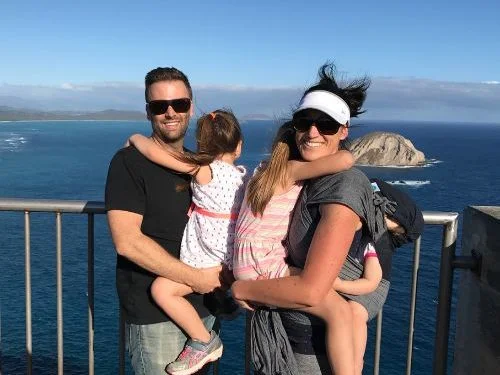

The Best Big Island Beaches RANKED…Including Where I Take My Own Family
This post may contain affiliate links to Hawaii spots we recommend, at no extra cost to you. Full disclosure.
The best Big Island beaches depend on what kind of day you want.
Hapuna is my best all-around choice for a classic sandy beach, Kahaluu has one of the most beginner-oriented snorkeling setups, and Punaluu is better approached as a scenic black-sand stop than a guaranteed swimming destination.
Quick answer
Hapuna is my best overall Big Island beach, but the right choice depends on whether you want swimming, snorkeling, family-friendly facilities or unusual scenery.
-
-
Families: Start with Hapuna or Spencer Beach Park.
-
Beginner snorkeling: Consider Kahaluu when conditions are suitable.
-
Sunset: A-Bay is convenient and especially memorable near the end of the day.
-
Unique scenery: Visit Punaluu for black sand, but don’t assume it will be a swimming day.
-
One thing that surprised my family is that the Big Island is not primarily a classic beach destination.
Its coastline is younger, rockier and more dramatic than many first-time visitors expect.
You will find beautiful sand, clear snorkeling water and beaches the kids can enjoy, but not every famous shoreline is a place where you should plan to swim.
Hawaii Island does not have one beach that works for everyone. Some beaches have easy parking, showers and lifeguards.
Others require limited resort parking, or an ocean entry from rock instead of sand. Conditions can also change dramatically with the season, swell and weather.
If you are still deciding where Hawaii Island fits into your vacation, start with my Big Island travel guide. You can also compare beaches across the islands in my guide to Hawaii’s best beaches.
After more than 30 trips to Hawaii, I have learned that choosing a beach is less about finding one universal “best” and more about matching the beach to the kind of day you want.
For this guide, I combined my own time at places like Hapuna and A-Bay with current access and facility information from the agencies that manage these areas.
Most importantly, no online guide can determine whether the ocean is safe when you arrive.
Check current conditions, read posted warnings and talk with a lifeguard when one is present.
If the water looks questionable, make it a shoreline day or choose another beach.
What are the best Big Island beaches for different travelers?
| What you want | Best fit | What to know |
|---|---|---|
| Best overall beach day | Hapuna Beach | Large sandy beach with facilities; surf can become dangerous. |
| Best near Waikoloa | Anaehoomalu Bay | Convenient resort-area beach with parking and facilities at the south access. |
| Best family-oriented facilities | Spencer Beach Park | Restrooms, pavilion and grills; lifeguards are limited to weekends and holidays. |
| Best beginner-oriented snorkeling setup | Kahaluu Beach Park | Lifeguards and facilities, but rocky footing and ocean hazards remain. |
| Best for confident snorkelers | Honaunau Bay, commonly called Two Step | Lava-rock entry, limited space and boat traffic; not a normal sandy beach. |
| Best postcard-style white sand | Kaunaoa, or Mauna Kea Beach | Beautiful setting with limited public parking passes. |
| Best black-sand experience | Punaluu | Go for the landscape and cultural setting; verify current access. |
| Best shade with seasonal snorkeling potential | Waialea Bay, or Beach 69 | The beach changes seasonally, and winter surf can be strong. |
| Best sandy beach near Kona's airport area | Maniniowali, or Kua Bay | Developed access, but dangerous shorebreak is possible and there are no lifeguards. |
| Best secluded adventure | Makalawena Beach | More walking, heat and preparation than a standard beach day. |
How did I choose these Big Island beaches?
I prioritized the questions that matter once you are actually on the island:
- Is there dependable public access?
- What kind of parking and facilities can you expect?
- Is this a sandy beach day or primarily a snorkeling entry?
- Does it make sense for a family, and what effort or hazards should you understand first?
This is not a ranking of which beach looks most dramatic on Instagram. It is a practical list designed to help you choose the right beach for your family, plans and location.
Ocean conditions, fees, hours and closures can change, so verify time-sensitive details before driving across the island.
I grew up going to Southern California beaches from Huntington and Newport down to San Diego, so I was already comfortable around the ocean.
Hawaii still surprised me.
The warm water can feel inviting even when the bottom drops away or the conditions are beyond your ability.
That is why “beautiful” and “good for swimming” are two different judgments throughout this guide.
Location of the best beaches on the Big Island
Big Island’s Best Beaches
1. Why is Hapuna Beach my best overall Big Island beach?

Photo by Bryan Murphy of Hawaii’s Best
Hapuna Beach is my best overall choice because it delivers the kind of beach day many travelers picture: a broad stretch of sand, room to settle in and useful public facilities.
I have been here personally, and the straightforward public parking is a major advantage when you are traveling with family or carrying beach gear.
We stayed at the Westin Hapuna during a Christmas trip with my wife and our three girls, and this beach was a major reason the location worked so well for us.
Even during a holiday week, the trip felt more relaxed and less crowded than we expected.
The girls still talk about the quirky little things they noticed around the resort as much as the big attractions, which is a good reminder that a successful family beach day does not need an overstuffed itinerary.
Hapuna Beach State Recreation Area has parking, picnic areas, showers, restrooms and lifeguards.
That combination makes it easier to spend several hours here than at a remote beach with no services.
The sand and open setting are also a better fit for a traditional beach day than rocky snorkeling sites such as Two Step.
The important qualification is the ocean.
Hapuna is not automatically calm.
Hawaii State Parks warns of dangerous rip currents and pounding shorebreak during high surf, and says waves above three feet are for experts while others should remain out of the water and away from the shoreline.
Treat the posted conditions and lifeguard guidance as more important than any recommendation in this article.
Best for: A classic sandy beach day, families who want facilities and travelers staying along the Kohala Coast.
Know before you go: Nonresident entry and parking fees apply. Bring a card or verify the current payment method and price through Hawaii State Parks.
2. Anaehoomalu Bay: Best near Waikoloa

Sunset at A-Bay during our family’s Christmas trip.
Anaehoomalu Bay, usually called A-Bay, is one of my favorite choices for travelers staying around Waikoloa Beach Resort.
It offers a convenient beach day without requiring you to pack up the family and drive across the island.
We visited during Christmas break with our three girls. The water was calm during our visit, and the beach gave us enough room to slow down without feeling like we needed a complicated plan.
Of course, conditions can change, but it was exactly the kind of easy family beach afternoon we needed.
One of the unexpected highlights for our girls was the cat colony near the beach. They loved seeing the cats and immediately started giving every one of them a name.
It had nothing to do with our original beach plans, but naturally, it became one of the parts they remembered most.

Our girls loved seeing the cats near the resort and gave every one of them a name. Pictured above is ‘Coconut.’
What I remember most was the end of the day. As the sun dropped toward the water, the entire sky warmed up and everyone seemed to stop what they were doing to watch.
A-Bay is one of those places where it is worth staying a little longer than planned just to see the sunset.
The beach sits beside historic Hawaiian fishponds, which gives it a completely different setting from Hapuna’s wide, open stretch of sand.
The public access on the south side provides parking, restrooms and showers, making A-Bay more practical than many of the island’s remote beaches.
Still, the word “bay” does not guarantee calm water. Hawaii County identifies waves, currents and hazardous footing as possible concerns.
Check the conditions when you arrive, follow posted warnings and choose your activities based on what the ocean is doing that day.
Best for: Waikoloa-area visitors, an uncomplicated family beach stop and staying through sunset.
Know before you go: Use the designated public shoreline access. Give yourself time to walk around the historic fishponds, but remain on marked paths and treat the area respectfully.
3. Spencer Beach Park: Best for families

Spencer Beach Park is one of the most practical family options because it combines a sandy shoreline with the facilities that make a group beach day manageable.
Hawaii County lists restrooms, a pavilion, barbecue grills, camping and ADA accessibility.
The park’s setting is more protected than many exposed west-side beaches, but “family-friendly” should never be translated into “always safe.”
The county’s shoreline guide still lists waves, currents and footing as potential hazards.
Lifeguard coverage is also limited.
The current county listing says lifeguards staff the beach on weekends and holidays from 9:30 a.m. to 4:00 p.m. Do not assume someone will be on duty during a weekday visit.
Best for: Families prioritizing facilities, picnics and a less complicated setup.
Know before you go: Camping requires a permit. Confirm current coverage and conditions through the official Spencer Park.
4. Kaunaoa (Mauna Kea Beach): Best white-sand setting

Kaunaoa Beach is worth considering when your priority is a scenic white-sand beach and you are willing to arrive early.
It fronts the Mauna Kea Beach Resort, but shoreline access is public. The practical limitation is that public parking passes at the resort entrance are limited.
Hawaii County lists restrooms, showers and security, with the access open from sunrise to sunset. The county also identifies hazardous footing, currents and waves, so the resort setting should not create a false sense of guaranteed safety.
I would treat this as a Plan A/Plan B beach. Try early for a public parking pass, but be ready to continue to Hapuna or another nearby option if the spaces are gone.
Best for: White-sand scenery, swimming when conditions permit and travelers staying on the Kohala Coast.
Know before you go: Public access does not mean unlimited parking. Limited passes are part of the experience.
Our Favorite Hawaii Travel Resources!
🏨 Accommodations: We recommend Booking.com
✈️ Flights: For the cheapest flights, we use Skyscanner
🚗 Rental Car: We recommend Discount Hawaii Car Rental
🌋 Attractions: We recommend Viator
🌺 Luaus and Tours: We recommend Hawaii Tours
📱 Mobile Tour App: Our favorite is Shaka Guide
5. Maniniowali (Kua Bay): Best sandy beach near Kona

Maniniowali Beach at Kua Bay is a strong choice for travelers who want a sandy beach north of Kailua-Kona without the longer effort required for Makalawena. It is the developed northern section of Kekaha Kai State Park.
The state describes swimming during calm seas, bodysurfing during periods of shorebreak, sunbathing and picnicking.
That distinction matters: Kua Bay can change from inviting to hazardous.
Hawaii State Parks warns about rip currents and pounding shorebreak during high surf, and there are no lifeguard services.
The fee information in the old version of this article was outdated.
Beginning in January 2026, the state instituted entrance and parking fees for nonresidents at the Maniniowali section.
The current state page lists a $5 nonresident entry fee and $10 noncommercial vehicle parking fee, with Hawaii residents free with qualifying identification. Verify the current rates before your visit.
Best for: A sandy Kona-side beach, sunbathing and swimming only when conditions are appropriate.
Know before you go: No lifeguards. The park gates close, so check current hours on the official Kekaha Kai State Park page.
6. Waialea Bay (Beach 69): Best for shade

Waialea Bay is a good choice when you want more natural shade and the possibility of snorkeling during favorable conditions.
It is commonly called Beach 69 because of the numbered utility pole near its access road.
This beach changes with the seasons.
The Hawaii Division of Aquatic Resources explains that strong winter surf erodes the beach, while summer typically leaves a more substantial sandy shoreline.
The bay is part of a Marine Life Conservation District, but that designation does not guarantee visibility, calm water or wildlife sightings.
The access road is rough but described by the state as drivable.
Parking is available near the beach, and the larger state park area provides restrooms and showers. Wildlife may appear, but do not plan your visit around guaranteed dolphin or turtle sightings.
Best for: Shade, a quieter-feeling beach day and seasonal snorkeling when conditions cooperate.
Know before you go: Winter can look very different from summer. Read the water and skip snorkeling when visibility, surf or your ability level makes entry questionable.
Want to explore more of the Big Island? Let's go!
Enhance your Big Island adventure by exploring more than just beaches. Discover the island’s most captivating waterfalls with our guide to the best Big Island waterfalls.
For a taste of local culture and activities, don’t miss the best things to do in Hilo.
Planning your visit? Make sure to check the best time to visit the Big Island, Hawaii for the ideal travel experience.
7. Kahaluu Beach Park: Best for beginner snorkeling

Kahaluu Beach Park has one of the island’s most beginner-oriented snorkeling setups, but it is still the ocean, not a swimming pool.
Its advantages are the lifeguard presence, public facilities and accessible location just south of Kailua-Kona.
Hawaii County lists snorkeling, swimming and picnicking, along with parking, showers, drinking water, restrooms and a pavilion.
The current parks listing says lifeguards are present seven days per week from 9:30 a.m. to 4:45 p.m.
The shoreline is gray sand and rock rather than a broad, soft-sand lounging beach. The county warns of hazardous footing, currents and waves.
First-time snorkelers should speak with a lifeguard, enter only in suitable conditions and avoid standing on coral.
Seeing honu or other marine life is possible, but never guaranteed; give all wildlife plenty of space.
Best for: Travelers learning to snorkel who want facilities and the opportunity to consult a lifeguard.
Know before you go: The rocky environment may not suit everyone. Use protective sun clothing and review my guide to reef-conscious sunscreen choices before your trip.
8. Honaunau Bay (Two Step): Best for confident snorkelers

Honaunau Bay, commonly called Two Step, is not a typical beach. It is a popular snorkeling entry from a lava-rock shoreline beside a working county boat ramp.
That makes it better suited to confident snorkelers who can manage the entry, exit and open-water environment.
It is also not inside Puuhonua o Honaunau National Historical Park. The National Park Service specifically corrects guidebooks that blur this distinction.
Snorkeling is prohibited at Keoneele Cove inside the park, which is a culturally significant area.
The National Park Service asks snorkelers and sunbathers to park outside the park gate rather than using spaces intended for people visiting the historic grounds.
Shoreline space and parking near Two Step are limited, and the area can become crowded. Boat traffic adds another hazard.
Best for: Confident snorkelers comfortable with lava-rock entry and exit.
Not the best fit for: Anyone expecting a sandy beach, uncertain swimmers, or families who need easy facilities and a low-friction setup.
Know before you go: Check conditions, snorkel with a buddy and stay clear of boats. Read the National Park Service’s Two Step guidance before visiting.
9. Punaluu Black Sand Beach: Best for unique scenery

Punaluu is best approached as a scenic and culturally significant black-sand stop rather than a guaranteed swimming destination.
Its volcanic shoreline, coconut palms and possibility of seeing honu resting at a distance make it visually memorable, but wildlife sightings should never be promised.
Give turtles and other wildlife generous space, never touch them and do not block their route between land and water.
Do not remove sand or natural material.
Conditions and access deserve special attention here, so check locally before making the long drive.
Temporary August 2026 access note: Hawaii County announced that its lease covering Punaluu Black Sand Beach Park had been extended only through September 1, 2026 while negotiations continued. Because the situation may change, verify public access and facilities before visiting.
Best for: Black-sand scenery, photography and a respectful shoreline visit.
Know before you go: Check the current Hawaii County announcement before making the drive, especially for visits planned after September 1, 2026.
10. Makalawena Beach: Best secluded adventure

Makalawena can be worth the effort for travelers who want a more secluded beach and understand that getting there is part of the outing.
It is not a quick park-and-walk beach day, and it should not be casually presented as the best option for every family.
Expect heat, rough terrain and limited services. Carry more water than you think you need, wear suitable footwear and avoid the midday walk when possible.
There are no lifeguards waiting at the destination, and swimming should depend entirely on conditions and your ability.
Makalawena is within the broader Kekaha Kai coastal area. Travelers who want less effort should choose the developed Maniniowali/Kua Bay section instead.
Best for: Prepared travelers seeking a more remote sandy beach.
Not the best fit for: Anyone with mobility limitations, very young children or people unprepared for heat and a rough walk.
Other Hawaii Island beaches worth considering
Several places deserve mention even though they did not make the primary ten.
Mahaiula Beach
Mahaiula is the southern developed section of Kekaha Kai State Park. The state lists a sandy beach, dune and picnic tables.
The access road can be rough, but the blanket statement that every visitor needs a four-wheel-drive vehicle is too strong.
Check your rental agreement and current road conditions rather than relying on a generic claim.
Hookena Beach Park
Hookena offers restrooms, a pavilion, barbecue grills and permitted camping.
It can work for travelers exploring South Kona, but conditions still determine whether swimming or snorkeling makes sense. Find current camping information through the official county facility listing.
Richardson Ocean Park
Richardson is a useful Hilo-side alternative with parking, showers, restrooms, ponds and lifeguards.
It has rocky terrain rather than a classic west-side white-sand beach, and Hawaii County warns of hazardous footing, waves and currents.
Pair it with ideas from my guide to the best things to do in Hilo.
Papakolea Green Sand Beach
Papakolea is better categorized as a demanding scenic excursion than one of the island’s best swimming beaches.
The remote, exposed route requires time, water and realistic assessment of heat and fitness.
Do not accept unauthorized rides across sensitive land, and do not remove sand.
Planning a safer Big Island beach day
Start with conditions, not the itinerary. A beach that worked yesterday may have different surf, visibility or access today.
For our family, a fold-up cooler has become one of the most useful Hawaii beach items.
It handles cold drinks, snacks, food-truck leftovers and an unplanned picnic without taking up much suitcase space.
Water shoes can also be useful around rocky or lava shoreline, although they do not make an unsafe ocean entry safe.
- Check weather, surf and official closure notices before leaving.
- Choose lifeguarded beaches when possible, especially with children or inexperienced swimmers.
- Ask the lifeguard about the safest area before entering.
- Never turn your back on the ocean.
- Do not enter because other people are already in the water.
- Snorkel with a capable buddy and use equipment you understand.
- Stay off coral and give honu, monk seals and other wildlife space.
- Carry water, shade and sun protection—especially at remote beaches.
- Do not leave valuables visible in your vehicle.
- Have a second beach in mind if parking is full or conditions are poor.
For more trip ideas beyond the coast, explore my guides to unique things to do on the Big Island, Big Island waterfalls and the best places to watch the sunset.
Seasonal planning also matters, so review the best time to visit the Big Island.
Fitting these beaches into a Big Island itinerary
Group beaches geographically instead of crisscrossing Hawaii Island. Hapuna, Spencer, Kaunaoa, Waialea and A-Bay fit naturally into a Kohala/Waikoloa plan.
Kua Bay and Kahaluu work better in a Kona-focused plan. Two Step fits a South Kona day, while Punaluu usually makes more sense as part of a Kau or Hawaii Volcanoes National Park route.
If the number of moving pieces is getting overwhelming, the Hawaii Planning Hub helps you organize beaches, reservations, driving time and daily plans in one place.
The goal is not to squeeze every beach into one trip.
Pick the places that match your group and leave enough flexibility to change course when the ocean tells you to.
Enjoyed this Post About Big Island’s Best Beaches? (Pin it to save it!)

FAQs for the Best Beaches on the the Big Island
What is the best beach on the Big Island?
Hapuna Beach is my best all-around choice for most visitors because it combines a broad sandy beach with parking, restrooms, showers, picnic facilities and lifeguards. It is only a good swimming choice when current conditions are appropriate.
Which Big Island beach is best for families?
Hapuna and Spencer Beach Park are strong family-oriented options because they have useful facilities. Spencer has a more protected setting, while Hapuna offers a larger classic beach. Lifeguard schedules and ocean conditions vary, so assess the beach when you arrive.
Where is the best beginner snorkeling on the Big Island?
Kahaluu Beach Park has one of the most beginner-oriented setups because it provides facilities and daily lifeguard coverage. That does not eliminate the risks from rock, waves and currents. Speak with a lifeguard and enter only when conditions fit your ability.
Is Two Step good for beginner snorkelers?
Two Step is not my first recommendation for every beginner. Entry is from lava rock beside a county boat ramp, parking is limited and boat traffic is present. It is more appropriate for confident snorkelers who can handle the entry, exit and open-water setting.
Can you swim at Punaluu Black Sand Beach?
People do enter the water at Punaluu, but it is better planned as a scenic black-sand and cultural stop than as a guaranteed swimming beach. Check current access, posted warnings and conditions before entering.
Do you need four-wheel drive for Big Island beaches?
Most beaches in this guide do not require four-wheel drive. Some access roads are rough, and remote locations may involve walking over lava or unpaved terrain. Check your rental-car agreement because driving on certain roads may be prohibited even when a vehicle can physically manage them.
Are Big Island beaches free?
Many shoreline accesses are free, but some state parks charge nonresidents entrance or vehicle fees. Limited resort-access parking may also affect when you can enter. Verify current fees and payment methods before your visit.
Which Big Island beach has black sand?
Punaluu is the island’s most famous black-sand beach. Richardson Ocean Park and other volcanic shoreline areas can also include dark sand or lava-rock environments, but the experience and swimming conditions differ considerably.
Final thoughts on choosing a Big Island beach
The best Big Island beach is the one that fits your group, your location and that day’s conditions. For most travelers, I would begin with Hapuna for a classic beach day, A-Bay for Waikoloa convenience, Kahaluu for a beginner-oriented snorkeling setup or Punaluu for a scenic black-sand visit.
You do not need to visit all ten. Choose two or three that fit naturally into the rest of your trip, keep a backup option nearby and stay willing to change the plan. Hawaii Island rewards flexibility far more than a packed checklist.
RECOMMENDED POSTS
Big Island Travel Guide: What to Know Before You Go
[dssb_sharing_buttons columns="5" icon_width="fixed" alignment="left" icon_color="#000000" use_custom_icon_size="on" icon_font_size="16px"...

8 Best Places to Watch the Sunset on the Big Island of Hawaii
[dssb_sharing_buttons icon_placement="icon" columns="2" _builder_version="4.27.0" _module_preset="default" box_shadow_style_icon="preset1"...
29 Unique Things to Do on the Big Island of Hawaii
[dssb_sharing_buttons icon_placement="icon" columns="2" _builder_version="4.27.0" _module_preset="default" box_shadow_style_icon="preset1"...
Bryan Murphy is the creator of Hawaii's Best Travel and host of the Hawaii's Best podcast, a top-30 U.S. travel podcast with 700,000+ downloads and a 4.9-star rating from 280+ reviews on Apple Podcasts. A Certified Hawaii Destination Expert and member of the Hawaii Visitors & Convention Bureau, he helps visitors plan more meaningful trips to Hawaii with practical, respectful guidance. His work has been featured in Travel + Leisure, National Geographic, Yahoo!, Simple Flying, USA Today, Parents, and Fox.