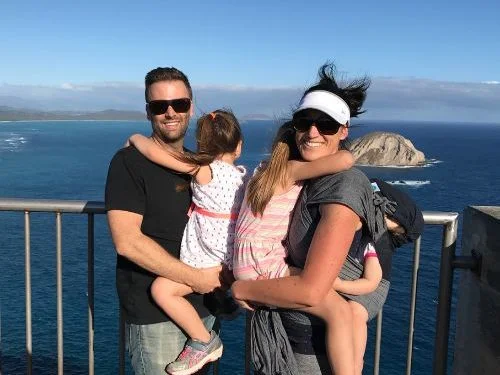

Planning Hawaii? Do These 7 Things Before Booking Anything Else
Before you scroll, I sometimes share links for Hawaii spots I genuinely recommend. No extra cost to you, it just supports the site. Read our affiliate disclosure for info.
Listen to the Full Podcast Episode:



TL;DR: My Hawaii Trip Planning Order
- Set your trip guardrails
- Choose the right island, or islands
- Figure out how many usable days you really have
- Choose your home base before your hotel
- Find the bookings that are hardest to move
- Build the skeleton of your itinerary
- Add activities, food, transportation, and open time
Follow that order and you’ll have a much easier time deciding what to book first and what actually fits your Hawaii vacation.
Has the podcast been helpful for you? Please leave a review here — even one sentence helps! Consider including your social media handle so I can thank you personally!
Planning a Hawaii trip can get messy fast.
You find a good flight, save a hotel on Instagram, add a few restaurants to Google Maps, and suddenly you’re trying to decide everything at once.
I’ve done this too.
After more than 30 trips to Hawaii, one of the biggest things I’ve learned is that a good trip usually starts with making the big decisions in the right order. You don’t need every restaurant picked or every hour scheduled before you book. You need the basic shape of the trip first.
My Hawaii trip planning order is simple: set the boundaries of the trip, choose the island, figure out how much usable time you really have, choose where on the island you want to stay, lock in the hardest reservations, build the basic itinerary, and then add the smaller details.
That order gives everything else somewhere to fit.
1. Set the Boundaries of Your Hawaii Trip
Before choosing an island or hotel, get clear on who is going, roughly when you’re traveling, how flexible your dates are, and what you can realistically spend.
You don’t need an exact budget yet. You just need enough information to keep yourself from planning a trip that doesn’t match the people taking it.
I’ve learned this with my own family. A Hawaii trip with my wife, Ali, is completely different from a trip with our three girls. Add grandparents, younger kids, or teenagers and the pace changes again.
We learned that years ago on a family visit to Pearl Harbor. Our oldest was five, our middle daughter was three, and our youngest was still a baby. Pearl Harbor wasn’t the problem, but that stage of family life changed what made sense for us that day.
That’s why I wouldn’t begin Hawaii planning by asking, “What are the must-do things?”
Start with, “What makes sense for us on this trip?”
2. Choose the Island Based on the Trip You Want
Once you know who is going and what kind of vacation you want, choose the island that fits it.
Oahu can work well if you want plenty of restaurants, history, beaches, shopping, and different areas to explore. Maui may appeal more if resort time, beaches, and scenic drives are high priorities. Kauai can fit a slower trip built around nature, while Hawaii Island gives you more distance to cover along with volcanoes and very different landscapes.
There isn’t one island that’s best for everyone.
If you’re still comparing them, use my guide to choosing the best Hawaiian island for your trip.
This is also the point where I’d decide whether you really need two islands.
Island hopping can be worth it on a longer trip, but every change means packing, checking out, getting to the airport, flying, picking up transportation, checking in again, and settling into a new place.
More islands don’t automatically make a better vacation.
3. Count Your Usable Hawaii Vacation Days
One of the easiest planning mistakes is looking at seven nights in Hawaii and treating that like seven complete vacation days.
It isn’t.
Your arrival day may be mostly travel, picking up a rental car, checking in, getting groceries, and getting settled. Your departure day is usually limited too. Add an interisland flight and you’ve taken another chunk out of the trip.
That doesn’t mean you need a two-week vacation. It means you should plan around the time you really have.
If you’re debating four days, seven days, ten days, or longer, I break those options down in my guide to how many days you need in Hawaii.
The goal isn’t to fit the largest possible number of activities into your available days. It’s to give the things you care about enough time to enjoy them.

4. Choose Your Home Base Before Your Hotel
This is one of the most useful changes you can make to your Hawaii vacation planning.
Choose the area first, then the property.
Take Oahu as an example. A week based in Waikiki can look very different from a week based in Ko Olina. Waikiki puts you close to restaurants, shopping, beaches, and a lot of activity. Ko Olina creates a more resort-centered trip on the west side of the island.
Neither is automatically better.
The better choice depends on what you plan to do.
A beautiful resort can become a frustrating choice if most of your planned activities are an hour away. Before comparing pools, room types, or hotel points, look at the map and ask where you actually want to spend your time.
Your lodging should make your trip easier.
5. Find the Reservations That Can Control Your Schedule
Once the basic shape of the trip is in place, identify anything that has limited availability or needs to happen on a certain day.
Those are your itinerary anchors.
This is different from filling an entire calendar with reservations. You may only have a few things that truly need to be locked down early.
The problem comes when you build a perfect Tuesday, Wednesday, and Thursday and then discover that the experience you care about most is only available Wednesday. Now you’re moving everything around.
Put the hardest things to move on the calendar first.
Booking windows and reservation rules can change, so check current information before making plans. GoHawaii’s trip-planning resources are also a useful place to check official visitor information.
If your bigger question is when you should start booking flights, lodging, rental cars, and reservations, use my guide on how early to plan a Hawaii trip. That article covers timing. This one is about planning order.
6. Build the Basic Shape of Your Hawaii Itinerary
Now you can start putting days together.
I don’t think you need a minute-by-minute schedule. I prefer giving each day a main purpose and then grouping other stops nearby.
On Oahu, for example, one day might be centered around the North Shore. Another could be built around Pearl Harbor and that side of Honolulu. You can decide what else makes sense nearby without forcing five major activities into each day.
This is where a map becomes much more useful than a long list of recommendations.
A plan that looks easy on paper can feel very different once you’re dealing with traffic, parking, kids who are tired, a lunch that takes longer than expected, or a beach where everyone wants to stay another hour.
Give the trip some margin.
Our Favorite Hawaii Travel Resources!
🏨 Accommodations: We recommend Booking.com
✈️ Flights: For the cheapest flights, we use Skyscanner
🚗 Rental Car: We recommend Discount Hawaii Car Rental
🌋 Attractions: We recommend Viator
🌺 Luaus and Tours: We recommend Hawaii Tours
📱 Mobile Tour App: Our favorite is Shaka Guide
7. Add Restaurants, Activities, Transportation, and Open Time
Now go back to all those places you’ve saved.
This is when the restaurant recommendations, beaches, food trucks, hikes, shops, and tours become useful because you already have a structure for them.
If a restaurant you’ve saved happens to be near your North Shore plans, great. If an activity requires driving across the island from everything else you’re doing that day, you can move it or decide whether it’s worth the extra time.
That’s the difference between collecting Hawaii recommendations and actually planning a Hawaii vacation.
You’re fitting your ideas into the trip instead of building an entire itinerary around dozens of unrelated saved posts.
And I would leave some space open.
You don’t need every meal reserved or every afternoon accounted for. Some days may end up being little more than a beach, lunch, pool time, and sunset.
That can be a very good Hawaii day.
A strong Hawaii trip planning order isn’t about controlling every part of the vacation. It’s about making enough good decisions early that you have room to enjoy the trip once you’re there.
What to Know Before You Start Booking
Plan the structure before chasing individual flight or hotel deals. Choose the island based on the trip you want, not the longest list of attractions. Count your real usable days before deciding how much to fit in. Pick the part of the island that works for your plans before choosing a specific hotel. Then protect some open time instead of treating every hour as something that needs to be filled.
Those steps sound simple, but they solve a lot of the problems I see when people start planning Hawaii backwards.
Hawaii Trip Planning FAQ
What should I book first when planning a Hawaii trip?
Before booking anything, decide who is going, your rough dates and budget, which island fits the trip, how long you’ll stay, and which area of the island makes the most sense. After that, identify the reservations or bookings that are hardest to move.
Should I choose my Hawaiian island or hotel first?
Choose your island first. Then choose the area of that island where you want to stay. Once those decisions are made, compare hotels, resorts, condos, or vacation rentals in that area.
How many days should I spend in Hawaii?
There isn’t one perfect trip length. Seven days can work well for one island, while longer trips give you more room for slower days or another island. Make sure you account for arrival, departure, and any interisland travel when deciding how much you can realistically do.
Is it better to visit one Hawaiian island or multiple islands?
One island often works better for a shorter Hawaii vacation because you lose less time to airports, packing, and changing accommodations. Multiple islands can work well when you have enough days to give each island meaningful time.
How far in advance should I plan a Hawaii vacation?
For many trips, starting several months ahead gives you more choices for lodging, flights, rental cars, and popular reservations. Holiday periods and other busy travel dates may require more lead time. See my full guide on how early to plan a Hawaii trip for a booking timeline.
Listen to Episode 264: Planning Hawaii? Do These 7 Things Before Booking Anything Else
This guide is based on Episode 264 of the Hawaii’s Best Travel podcast, where I walk through the planning order I use and explain why I think each decision belongs where it does.
If you’ve got ten browser tabs open, a phone full of saved Hawaii posts, and no idea what you should actually decide first, listen to the full episode below.
Resources mentioned in this episode:
- Start planning with the Hawaii Trip Planner Hub
- Get 15% off Shaka Guide tours with code HAWAIISBEST [Sponsor]
- Find resort-style lodging for less at RedWeek.com [Sponsor]
Related episodes:
Related blog posts:
Planning a Hawaii trip and not sure where to start?
Get clear, personalized guidance so you can book the right island, experiences, and timing without second-guessing everything.
Get 1-on-1 Trip Planning HelpMore episodes:
Don’t Miss the Next Episode of Hawaii’s Best
Join us each week for practical Hawaii travel tips, local stories, and cultural insights to help you plan a better trip to the islands.
Please follow on your favorite podcast platform:




If Hawaii’s Best has helped you plan your trip, we’d be grateful if you left a rating or review wherever you listen to the podcast.
Connect with Bryan
Looking for more Hawaii travel tips? Click here to browse all episodes of the Hawaii’s Best Travel podcast.
Transcript
264_Planning a Hawaii Vacation? Do These 7 Things Before Booking Anything Else
[00:00:00] Plan Backwards Fix
[00:00:00] Bryan Murphy: When planning a Hawaii vacation, a lot of people actually start backwards. They start with hotels, activities, and resorts before they figured out the basic structure of the trip that they want. So today, I’m gonna walk you through the seven decisions I would make first and the order I’d make them in, so your Hawaii trip actually fits together.
[00:00:18] Bryan Murphy: Aloha, and welcome to Hawaii’s Best. I’m Brian Murphy, a Hawaii destination expert, and your personal guide to planning a better Hawaii trip. Through practical tips, local voices, and stories from the islands, I’ll help you make the most of your time in Hawaii and stay connected between visits.
[00:00:34] Podcast Mission Review
[00:00:34] Bryan Murphy: Before we get into today’s episode, I wanna share a review with you that honestly made my day last week.
[00:00:40] Bryan Murphy: I read it and I got teary-eyed a bit. I, I mean, that’s how much it meant to me. I just wanna share a little bit of it with you. The title of it was Infinitely Helpful for Planning a Trip to Hawaii and Learning About Culture. And then I’m not gonna read you the whole review because it’s long and, but I just though it’d be cool to read you some of it.
[00:00:59] Bryan Murphy: The username who left this review is MB Pilsner. So thank you so much if you are listening to this episode today. They go on to say, “This podcast has been a wealth of knowledge for us as we’re planning a first trip to Hawaii. When we started planning, I though we were planning just another trip, but through Brian’s podcast, website and planning tools, we’ve learned so much about the culture and have really been able to plan a trip that allows us to experience Hawaii, not just visit.”
[00:01:28] Bryan Murphy: And they go on to a, a little bit more, but really that’s the heartbeat of Hawaii’s best. And that’s why I started this podcast some eight years ago or so, but really that review just meant a lot. Any, if, if you’ve left a review on the podcast, I read them all and they always make my day. So thank you so much for leaving that review and making this all worth it.
[00:01:48] Bryan Murphy: So basically, that’s what I really want this show to be about and to do is yes, to help you plan a better trip, but also help you understand Hawaii a little bit better along the way. And that actually connects really well to today’s episode because even if you’ve planned a Hawaii trip before, I still think this episode is still gonna help a lot.
[00:02:07] Bryan Murphy: Honestly, it took me years and a lot of trips to be able to figure out some of this. And I definitely didn’t plan my first few trips to Hawaii the way I do today. And even today, I still catch myself looking at a hotel or an activity before I’ve answered the bigger question of whether it actually fits the trip that we want for this trip.
[00:02:25] Bryan Murphy: That’s where I think a lot of people get tripped up. You see a hotel that looks amazing. You see, you save a restaurant, somebody sends you a reel, you’re on a Pinterest board with, you know, a beach or a tour that you wanna do, and pretty soon you have all these pieces of a Hawaii vacation, but you haven’t actually built the trip yet.
[00:02:44] Bryan Murphy: So what I wanna do today is flip that around. Let’s build the trip first and then we can have some fun and fill it all in.
[00:02:50] Decision One Guardrails
[00:02:50] Bryan Murphy: So number one is start with your trip guardrails. And what I mean by that is before you start comparing hotels or building an itinerary or saving another post, figure out the basic boundaries of the trip that you’re gonna be taking, because each trip might be different and unique.
[00:03:07] Bryan Murphy: What is this next coming trip gonna look like? Who is going? Roughly when are you going? How flexible are you with those dates? And what can you realistically spend? What’s your budget? It doesn’t have to be perfect, but just have a realistic, you know, ballpark of what you’re hoping. I’m not saying you need a spreadsheet with every meal and rental car fee figured out before you do anything else.
[00:03:29] Bryan Murphy: You just need a range because a couple traveling in September with flexible dates is planning a very different trip than a family of five traveling during spring break. We’ve been there, done that. Traveling to Hawaii with just my wife and I, Ali, is completely different than traveling with our three girls and all five of us.
[00:03:50] Bryan Murphy: Or if we do like a multi-gen trip with the in-laws, it’s completely different. And you just gotta know what type of trip that you’re planning for. So those details, you know, they really affect almost every decision that comes next. And this is why I wanna start by asking what’s the best hotel. You don’t have enough info yet about what that is.
[00:04:12] Bryan Murphy: You gotta set the guardrails, basically who, when, how flexible, and roughly how much.
[00:04:19] Decision Two Choose Island
[00:04:19] Bryan Murphy: And once you know that, now we can start shaping the trip and that comes number two is choose the right island or islands for this trip. So next, you gotta decide where you’re actually going, basically. And I wanna start with the question, you know, which island has the most things to do?
[00:04:35] Bryan Murphy: Which island is best? That question gets thrown out there a lot. The best question is what kind of Hawaii trip are you trying to have? What kind of trip are you, have you envisioned for your Hawaii trip? Do you want a vacation where you can walk to restaurants and have a lot happening around you, nightlife, all that stuff?
[00:04:56] Bryan Murphy: Or do you want more resort time or are beaches a priority for you? Hiking, food, history? Are you traveling with younger kids, teenagers, or just the two of you? So start with the kind of trip that you want, then choose the island that fits that trip best. And this is also where I decide whether you really need more than one island.
[00:05:16] Bryan Murphy: It’s really tempting. You’re flying all the way to Hawaii, so you think, well, we should just see as much as possible. We… But more islands doesn’t automatically mean a better trip. Every time you change islands, you’re packing again, you gotta get to the airport, TSA, and, and now you gotta get to the airport even earlier.
[00:05:34] Bryan Murphy: You gotta get there at least 50 minutes, five-zero before an inter-island flight. And the airport actually recommends at least 90 minutes before any inter-island flight that’s flying between islands. Then you gotta get another rental car probably, transportation, you gotta check into another place, get settled in, and that might be completely worth it for a longer trip, like 10 plus days.
[00:05:58] Bryan Murphy: But on a shorter trip, that can eat up a surprising amount of vacation time. And this is different. Again, this is different if it’s just the two of you going. You can probably do two, maybe three islands in seven days if it’s just the two of you. But once you start adding on, in those kids, or mom and dad, it’s gonna be a little bit longer and it’s gonna be a little bit tougher.
[00:06:19] Bryan Murphy: We’ve seen that. We’ve done that. We’ve been there. We’ve had those inner island flights where the plane wasn’t working. So they had to fly a part over from Oahu over to Kauai. And of course, we missed that flight. Hawaiian Airlines took care of us. But regardless, you just never know. There’s a lot more variables that can happen.
[00:06:39] Bryan Murphy: So before you start booking things, decide whether this is a one island trip or whether you truly have enough time to make two islands work. All right.
[00:06:48] Decision Three Count Days
[00:06:48] Bryan Murphy: Number three, decide how many nights you actually have to work with. Once you know the island or islands, look at the amount of time you really have. And one simple thing I think really gets overlooked here is seven nights in Hawaii does not mean seven full vacation days.
[00:07:05] Bryan Murphy: You have an arrival day and a departure day, the saddest day of all. And depending on where you’re coming from, where you’re traveling from, your arrival day might be more about getting settled than about trying to do something and cram in a full itinerary. We’re in Southern California, so we have the quickest flight over to Hawaii with just like five, five and a half hours.
[00:07:26] Bryan Murphy: And even then, it’s still most of the day for us. We can maybe do like one thing and then a nice dinner, but it’s really about hitting Costco and then getting settled and having a nice dinner, usually at Monkeypod. I did not get paid to say that, but that’s usually our first night is at Monkeypod. Gotta love it.
[00:07:43] Bryan Murphy: So look at the trip realistically, how many actual usable days do you have? Because that changes what makes sense. If you have six or seven nights, maybe trying to fit three islands into that trip isn’t gonna help you. Can you technically do it? Maybe. But that’s not really the right question. The better question is whether you should.
[00:08:04] Bryan Murphy: I’d rather see you do fewer things and actually enjoy your time in Hawaii than spending your vacation constantly packing up and moving on to the next thing, the next island. All right.
[00:08:15] Decision Four Pick Base
[00:08:15] Bryan Murphy: Number four, super important. Choose your home base before choosing your hotel. This is a big one. Choose the area of the island or islands before choosing the property.
[00:08:26] Bryan Murphy: So area first, property, second, property talking about like condo, hotel, resort, because where you stay can change the entire trip. So let’s take O’ahu for an example, staying in Waikiki versus staying in Koolina, that’s on the west side, two very different vacations. And it’s not just about which hotel has the better pool.
[00:08:46] Bryan Murphy: Where you stay affects the restaurants you go to, drive time, transportation, what’s easy to do, what requires more planning, and just the overall feel and pace of the trip. So instead of opening a hotel website and saying, “This hotel looks amazing, we gotta go here.” Zoom out first. Where on the island makes the most sense for the trip that you’re trying to have.
[00:09:09] Bryan Murphy: Then start comparing the hotels, resorts, or condos within that area. That one decision can save you from spending way more time in the car than you expected because you picked a property before thinking first about the location. And a quick favor before we keep going, you heard that review I shared earlier.
[00:09:29] Bryan Murphy: If this podcast, Hawaii’s Best, has helped you plan a trip, understand Hawaii a little bit better, or just help you stay connected to the islands in between visits, I’d really appreciate and ask if you would leave a rating and review on Apple Podcasts. Takes about 30 seconds. I read them all. It doesn’t just make my day, but it actually helps.
[00:09:49] Bryan Murphy: It helps this podcast the best way that you can support it because it helps other people find this podcast as well.
[00:09:56] Decision Five Book Anchors
[00:09:56] Bryan Murphy: All right, so now let’s get to the part of planning that can start really mapping and controlling your calendar. Number five is find the bookings that are hardest to move. Maybe it’s an experience you want to do.
[00:10:09] Bryan Murphy: Maybe it’s a reservation, a tour, a dinner that you really care about making, you gotta, gotta get to mama’s fish house on Maui, that reservation’s gonna take time. And then think about those things that only work on certain days. Those become your anchors. This is where Hawaii planning can get frustrating for a lot of people if you do it backwards.
[00:10:28] Bryan Murphy: You build the perfect week based on someone’s Pinterest itinerary or, or whatever, maybe an Etsy itinerary. You know, Tuesday is this, Wednesday is this, Thursday is this. And then you finally go to make the reservation and realize the thing that you wanted to do is only available on Wednesday and, or that everything is booked out.
[00:10:47] Bryan Murphy: Then you’re rebuilding half the trip. So before you fill every day, identify anything that has limited availability or needs to happen on a specific day. Put the hardest things to move on the calendar first and then build around them. One important note here is reservation rules and booking windows can change.
[00:11:07] Bryan Murphy: So always double check the current requirements for the things that really matter to your trip before you lock them in. This is the one thing that has changed probably the most that I’ve seen personally in traveling to Hawaii over 20 years is reservations are here to stay. A lot of popular places you can’t just show up to anymore.
[00:11:27] Bryan Murphy: You gotta have a reservation. Typically, they’re free. Some of them cost money. I put together a reservation checker. It’s completely free. No affiliate links or anything like that. So what you do, there’ll be a link below. What’s cool about it is I’ve used it and I’ve had consultation clients who have used it.
[00:11:43] Bryan Murphy: You put in your dates of travel, you put in your island or islands, and then you choose the activities that you wanna do based on what’s needed for reservations. And then you can actually download a calendar reminder and it’ll alert you like, “Hey, go book Pearl Harbor on this date.” And it’ll link you to the official site to go ahead and make that reservation.
[00:12:06] Bryan Murphy: So really cool, really helpful. Check it out below that reservation checker.
[00:12:11] Decision Six Itinerary Skeleton
[00:12:11] Bryan Murphy: Number six, starting to have a little bit more fun here and getting to your list of all the things that you’ve saved, you’ve gotta build the skeleton of your itinerary next. But I still would not schedule every hour, think, you know, bigger schedule blocks.
[00:12:25] Bryan Murphy: Maybe Tuesday is your North Shore day. Wednesday is Pearl Harbor and maybe some nearby stuff. Thursday is mostly open. You do wanna have a couple open days. You’re creating the skeleton here. You’re asking yourself what’s the main thing for that day? What area of the island are you gonna be in? What else makes sense nearby?
[00:12:42] Bryan Murphy: And how much room do you have for that day? Because one of the easiest ways to make a Hawaii trip exhausting is to create an itinerary that works perfectly well on paper, looks beautiful, and you’ve used Canva and you’ve sent it out to mom and dad and everybody else. And then what happens is it could fall apart in real life because some things take longer than expected.
[00:13:06] Bryan Murphy: Maybe you wanna stay longer at a beach or that lunch takes 30 minutes longer because dad’s over in the corner talking it up with the owner because he found a cool local spot to try for lunch or there’s traffic. There can be a lot of traffic, especially on Oahu, and you just gotta know that getting to one side of the island to the other can take a lot of time.
[00:13:24] Bryan Murphy: Maybe the kids are done. They’re bored. They’re like, they’re just done. We flew all this way here and we’ve been in the car for like two hours. Or maybe you just find somewhere you really like and you don’t want to leave just because the itinerary says you’re supposed to be somewhere at 2:15. You need some margin.
[00:13:40] Bryan Murphy: My general approach is it’s pretty simple, one main anchor for the day and a few nearby options. Have some room to breathe. Once the bones, the skeleton of the trip are there, all the smaller decisions get a lot easier.
[00:13:53] Decision Seven Fill Details
[00:13:53] Bryan Murphy: And that brings us to number seven, get to have a little fun here is then we get to fill in the activities, the food, the transportation and the open time.
[00:14:01] Bryan Murphy: This is where a lot of people start. That’s why I said at the beginning, a lot of people start here, do it backwards. They start with the activities and all the restaurants they want to do, the beaches they wanna go to. This is where you get to start filling those in. So for the food trucks, shops, you know, tours, scenic stops, hikes or whatever, all the stuff that you’ve been saving for months and bookmark, now it actually has somewhere to go.
[00:14:21] Bryan Murphy: Maybe that restaurant is right near the area that you’re already visiting on Wednesday. Perfect. Plop it in. Maybe that beach is 45 minutes in the opposite direction from everything else that you planned. Good thing you checked that. Now you know not to do it on that day. The difference is you’re no longer trying to build a trip around 40 random recommendations and trying to fit it all in.
[00:14:41] Bryan Murphy: You’re fitting those recommendations into a trip that already has a good structure and you’re gonna leave some room. You are on island times, remember that. Just take it down a couple notches, just go with the pace of the island that you’re on and you don’t need to book every single meal. You do not need an activity every morning.
[00:14:58] Bryan Murphy: You don’t need to see every sunrise, but if that’s your thing, do that. Just know, again, the trip that you’re trying to plan for. Some of the best parts really of a Hawaii trip happen when you have enough room, enough margin to stay somewhere longer, change plans, throw an audible, and just slow down. That’s really the big idea here.
[00:15:19] Bryan Murphy: That’s really the heart of traveling to Hawaii that I’ve experienced. A good Hawaii itinerary is not one where everything fits perfectly on paper. It’s one that still works once you’re actually there on island.
[00:15:31] Recap Checklist Farewell
[00:15:31] Bryan Murphy: So if you remember nothing from this episode, remember the order. One, start with the guardrails.
[00:15:37] Bryan Murphy: Two, choose your island. Three, figure out the amount of time you have in Hawaii. Four, choose your home base, where the island you wanna stay. Five, find the bookings that are hardest to move. Six, build the skeleton structure. Number seven, fill it all in, have fun. That’s the planning order I wish I had understood a lot earlier than my first trip to Hawaii.
[00:16:01] Bryan Murphy: And if you’re driving in your car or you’re like me and you like listening to the podcast while you’re out on your walk, you’re like, “That sounds great, but I already forgot what number two was.” And that’s why I put together a free Hawaii trip planning order checklist. That’s a mouthful. You can grab it at hawaiisbesttravel.com/264 or just tap the first link in the show notes below.
[00:16:23] Bryan Murphy: It’ll show you what to decide first, what comes next, what can wait, so you’re not trying to figure everything out at the same time. Again, go to hawaiisbesttravel.com/264 or grab the link below first link. And if you’re already planning your trip to Hawaii and you’re stuck on one of these decisions, send me, email me your question, seriously, or DM me on Instagram at hawaiis.best.
[00:16:47] Bryan Murphy: Tell me which island you’re looking at, how many nights you have, and what you’re trying to figure out. I’m always interested in hearing, you know, actual questions from people who listen to the podcast, and I’m curious because that helps shape future episodes. So if you have a question, DM me on Instagram at hawaiis.best, or you can send me an email, brian@hawaiisbestravel.com.
[00:17:09] Bryan Murphy: And coming up on Thursday in just two days, I’m gonna be sharing with you why Hawaii vacations appear to be getting shorter and why some visitors may be choosing one island instead of trying to do two. So I wanna look at that, what’s changing, especially going into 2027, looking at that already, what might be driving that, this new trend in what it can mean for the way people plan Hawaii trips going forward.
[00:17:34] Bryan Murphy: So make sure you’re following the show so you don’t miss that episode. All right, and until next time, as always, live with Aloha.
RELATED PODCASTS

Hawaii Vacations Are Getting Shorter: Is That Bad?
[dssb_sharing_buttons columns="5" icon_width="fixed" alignment="left" icon_color="#000000" use_custom_icon_size="on" icon_font_size="16px"...
How to Build a Hawaii Itinerary That Actually Feels Like a Vacation
[dssb_sharing_buttons columns="5" icon_width="fixed" alignment="left" icon_color="#000000" use_custom_icon_size="on" icon_font_size="16px"...
Do You Need to Rent a Car in Hawaii? My Island-by-Island Answer
[dssb_sharing_buttons columns="5" icon_width="fixed" alignment="left" icon_color="#000000" use_custom_icon_size="on" icon_font_size="16px"...
Bryan Murphy is the creator of Hawaii's Best Travel and host of the Hawaii's Best podcast, a top-30 U.S. travel podcast with 700,000+ downloads and a 4.9-star rating from 280+ reviews on Apple Podcasts. A Certified Hawaii Destination Expert and member of the Hawaii Visitors & Convention Bureau, he helps visitors plan more meaningful trips to Hawaii with practical, respectful guidance. His work has been featured in Travel + Leisure, National Geographic, Yahoo!, Simple Flying, USA Today, Parents, and Fox.