

22 Hawaiian Fruits to Try in Hawaii and Where to Find Them
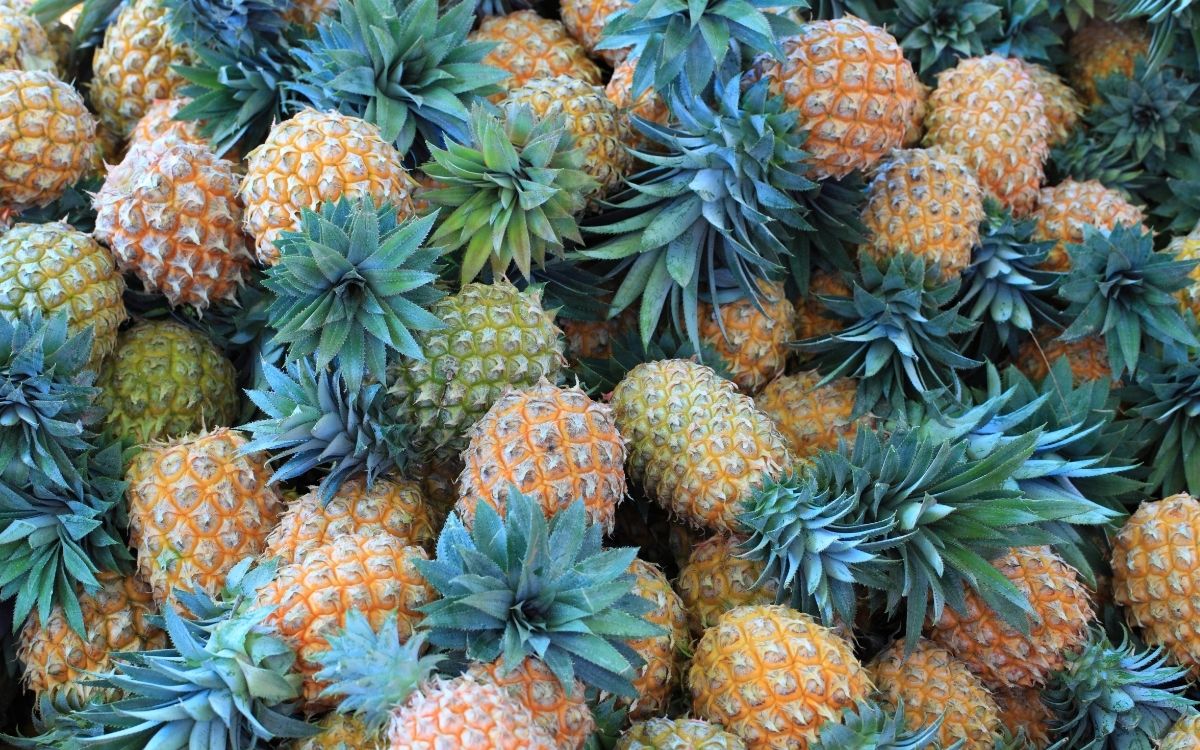
TL;DR for Hawaiian Fruits
Hawaii grows over 200 tropical fruits that taste better fresh on the islands than anywhere else.
- Popular picks: Pineapple, mango, papaya, apple bananas, guava, and coconut are available year-round or seasonally
- Exotic finds: Try dragon fruit, rambutan, lychee, starfruit, and lilikoi (passionfruit) that you can’t get on the mainland
- Where to buy: Farmers markets, roadside fruit stands, and local grocery stores sell fresh fruit at good prices
- Best timing: Summer brings mangoes and lilikoi; fall offers dragon fruit and persimmons; some fruits grow year-round
Affiliate Disclosure
This post may contain affiliate links, meaning I earn a small commission if you use the links. View our Privacy Policy and for more.
What Fruit is From Hawaii?
Direct Answer
Over 200 fruit varieties grow in Hawaii's tropical climate. The most popular Hawaiian fruits include pineapple, mango, papaya, apple bananas, guava, and lilikoi (passion fruit). Hawaii grows year-round tropical fruits plus seasonal specialties like lychee, rambutan, and dragon fruit.
Explore Hawaii's Fruits
For First-Time Visitors
Hawaii grows over 200 fruit varieties in its tropical climate. Start with the "Big 6" that visitors love: Hawaiian pineapple (available year-round, peak April-September), mango (May-July), papaya (year-round), apple bananas (year-round), guava (July-December), and coconut (year-round). Visit farmers markets for the freshest picks, try hotel buffets for variety, and stop at roadside fruit stands during scenic drives. Don't miss lilikoi (passion fruit) in POG juice and mountain apple for an authentic Hawaiian experience.
Seasonal Availability Guide
Spring: Lychee, citrus, starfruit. Summer (Peak Season): Mango (May-July), lilikoi (June-January), dragon fruit (July-October), guava (July-December). Fall: Breadfruit, jackfruit, starfruit (September-April), persimmon (October-November). Winter: Rambutan (October-March, peak February-March), longan, mangosteen, soursop (January-April). Year-round fruits include pineapple, papaya, apple bananas, coconut, breadfruit, and avocado. Pau Hana Tropical Fruit Platters change contents based on seasonal availability.
Where to Find Hawaiian Fruits
Farmers markets offer the best prices and freshest local fruit from family-run farms across all islands. Roadside vendors provide spontaneous discoveries along scenic drives and hiking trails. Major grocery stores like Foodland (Hawaii's largest locally owned chain) stock both imported and local produce. Hotel buffets showcase seasonal tropical fruit platters. Farm tours and fruit-tasting experiences connect you with local growers and seasonal varieties. Support small-scale farmers while exploring Hawaii's agricultural heritage at weekly farmers markets on each island.
Most Popular Hawaiian Fruits
The top 6 fruits visitors love: 1. Hawaiian Pineapple - Sweet, juicy, available year-round (peak April-September). Try Sugarloaf variety with white flesh and low acidity. 2. Mango - Over 60 varieties, peak May-July, superior to mainland. 3. Papaya - Year-round, buttery texture, perfect with lime. 4. Apple Bananas - Small, tangy, firmer than mainland bananas. 5. Guava - July-December, blend of pear, apple, strawberry. 6. Coconut - Fresh coconut water and meat year-round. These fruits appear on hotel buffets, in POG juice, and at every farmers market.
Exotic and Unique Hawaiian Fruits
Adventure beyond the basics with these exotic treasures: Lilikoi (Passion Fruit) - Sweet, tangy, wrinkled purple skin, June-January. Dragon Fruit - Night-blooming cactus, hand-pollinated, July-October. Rambutan - Hairy red exterior, sweet translucent flesh, October-March. Lychee - Grape-like texture, May-September. Longan ("Dragon Eye") - Year-round, sweeter than lychee. Starfruit - Star-shaped slices, September-April. Mountain Apple - Bell-shaped, rose-scented, late summer-fall. Breadfruit (Ulu) - Starchy, potato-like, Polynesian canoe crop. Soursop - Creamy, strawberry-apple-banana blend. Try these at specialty farmers markets and fruit tastings.
Year-Round Hawaiian Fruits
Visit Hawaii any time and enjoy these fruits: Pineapple - Continuous production, Dole Plantation leader. Papaya - Breakfast staple, vitamin C and digestive enzymes. Apple Bananas - Plus 70+ varieties including ice cream, popo ulu, Gros Michael. Coconut - Fresh water and meat, nature's sports drink. Breadfruit - Polynesian canoe crop, starchy like potatoes. Avocado - Over 200 varieties, though peak seasons vary. Longan - "Dragon eye" fruit, sweet translucent flesh. Lime - Essential for cooking and tropical drinks. These reliable fruits ensure delicious tropical flavors during any visit.
Health Benefits and Nutrition
Hawaiian fruits pack incredible nutritional value: Papaya - Digestive enzymes, vitamin C, supports gut health. Guava - Only 37 calories, essential vitamins and minerals. Lilikoi - Rich in vitamin C and antioxidants. Dragon Fruit - Loaded with antioxidants, supports immune system. Rambutan - Vitamin C, manganese, iron, calcium, potassium. Lychee - 82% water, high vitamin C, refreshing hydration. Starfruit - High vitamin C and B5, low calories. Soursop - High antioxidants and nutrients. Coconut - Natural electrolytes, healthy fats. Fresh tropical fruits provide superior nutrition compared to imported varieties.
Local Favorites and Cultural Significance
Experience fruits that locals love: Mountain Apple (Ohia ai) - Polynesian canoe crop brought around 400 AD, bell-shaped, rose-scented, watermelon-apple taste. Breadfruit (Ulu) - Ancient staple food, versatile like potatoes, featured at Polynesian Cultural Center. Apple Bananas - Local favorite, firmer texture, sweeter than mainland varieties. Lilikoi - Essential ingredient in POG juice (passion fruit, orange, guava), appears in desserts, jams, cocktails. White Guava - Intensely sweet, aromatic, many locals have trees in yards. Coconut - Traditional Hawaiian uses for food, water, and cultural practices. Support local farmers and experience authentic Hawaiian agricultural heritage.
Hawaii-Only Fruits You Can't Get Mainland
These fruits don't ship well and must be enjoyed in Hawaii: Sugarloaf Pineapple - White flesh, exceptionally sweet, low acidity, doesn't ship well. Apple Bananas - Not shipped to mainland, true local specialty. Fresh Rambutan - Short shelf life prevents mainland shipping. Mountain Apple - Delicate fruit, doesn't travel, eat fresh at farmers markets. Fresh Lychee - Best quality in Hawaii during May-September season. White Guava - Fragile, best eaten fresh from local trees. Strawberry Guava - Grows wild, abundant in forests, summer-fall harvest. Visit Hawaii to taste these exclusive tropical treasures that define authentic island flavors.
Quick Facts About Hawaiian Fruits
200+ fruit varieties grow in Hawaii's tropical climate. 6 most popular: Pineapple, mango, papaya, apple bananas, guava, coconut. Year-round fruits: Pineapple, papaya, apple bananas, coconut, breadfruit, avocado, longan, lime. Summer peak season: Mango (May-July), lilikoi, dragon fruit, guava. Best places to buy: Farmers markets (best prices), roadside stands (spontaneous finds), Foodland grocery stores, hotel buffets, farm tours. Hawaii-only fruits: Sugarloaf pineapple, apple bananas, fresh rambutan, mountain apple. Polynesian canoe crops: Mountain apple, breadfruit, banana, coconut brought by ancient settlers. POG juice: Passion fruit (lilikoi), orange, guava - iconic Hawaiian drink.
Total Fruit Varieties
Different fruit varieties grow in Hawaii's tropical climate
Mango Varieties
Types of mangoes grown across Hawaiian islands
Banana Varieties
Different banana types cultivated by local farmers
Year-Round Fruits
Fruits available every season for visitors
Top Hawaiian Fruits by Category
Most Popular
Pineapple, Mango, Papaya, Apple Bananas, Guava, Coconut
Most Exotic
Rambutan, Dragon Fruit, Soursop, Mangosteen, Jackfruit
Best for Summer
Mango, Lilikoi, Dragon Fruit, Lychee, Guava
Hawaii-Only
Sugarloaf Pineapple, Apple Bananas, Mountain Apple
Cultural Heritage
Mountain Apple, Breadfruit, Coconut, Banana
Best Nutrition
Papaya, Guava, Lilikoi, Dragon Fruit, Starfruit
Hawaiian Fruit Seasonal Guide
Spring (March-May)
- Lychee begins season
- Citrus fruits peak
- Starfruit continues from winter
- Pineapple peak season starts April
Summer (June-August) - PEAK SEASON
- Mango peak: May-July (60+ varieties)
- Lilikoi harvest: June-January
- Dragon fruit: July-October
- Guava season starts: July-December
- Lychee: May-September
- Mountain apple: Late summer
Fall (September-November)
- Breadfruit abundant
- Dragon fruit continues
- Jackfruit reaches peak
- Starfruit season begins: September-April
- Persimmon: October-November
- Rambutan season starts: October-March
Winter (December-February)
- Rambutan peak: February-March
- Longan available
- Mangosteen season
- Soursop: January-April
- Breadfruit continues
Key Takeaways
- Over 200 fruit varieties grow in Hawaii's perfect tropical climate
- Top 6 visitor favorites: Pineapple, mango, papaya, apple bananas, guava, coconut
- 8+ fruits available year-round including pineapple, papaya, and apple bananas
- Summer is peak season for mango (May-July), lilikoi, dragon fruit, and lychee
- Farmers markets offer best prices and freshest local fruit from family farms
- Hawaii-only fruits like Sugarloaf pineapple and apple bananas don't ship to mainland
- Polynesian canoe crops include mountain apple, breadfruit, banana, and coconut
- POG juice (passion fruit, orange, guava) is an iconic Hawaiian drink
I’m Bryan Murphy, the creator behind Hawaii’s Best Travel and a certified Hawaii destination expert through the Hawaii Visitors Bureau.
In this guide, I’ll walk you through the 22 Hawaiian fruits to try in Hawaii, highlighting what they taste like, when they’re in season, and where to find them during your trip.
You walk through Hawaii’s grocery stores and farmers markets, but those tropical fruits look foreign and intimidating. Many visitors feel this way during their first trip to the islands.
After years of research as a certified Hawaii destination expert, the discovery that over 200 fruit varieties grow in Hawaii’s tropical climate was surprising. This guide reveals the best Hawaiian fruits to try, where to find them, and how to enjoy each exotic flavor.
From iconic Hawaiian pineapple and mango to exotic treasures like rambutan and mountain apple, this guide pulls together the ultimate list of 22 fruits to try on your trip.
You’ll learn what each one tastes like, when it is in season, and exactly where to find it, from farmers markets and roadside stands to hotel buffets.
Whether you’re a little unsure about unfamiliar fruit or ready to taste everything you see, there’s something here for every kind of traveler. Let’s find your new favorite Hawaiian fruit in paradise.
Popular Hawaiian Fruits Visitors Love
Most visitors fall in love with six fruit from hawaii that taste amazing and grow easily on the islands. These popular fruit pack incredible flavors that will make your hawaii vacation even more memorable.
1. Pineapple
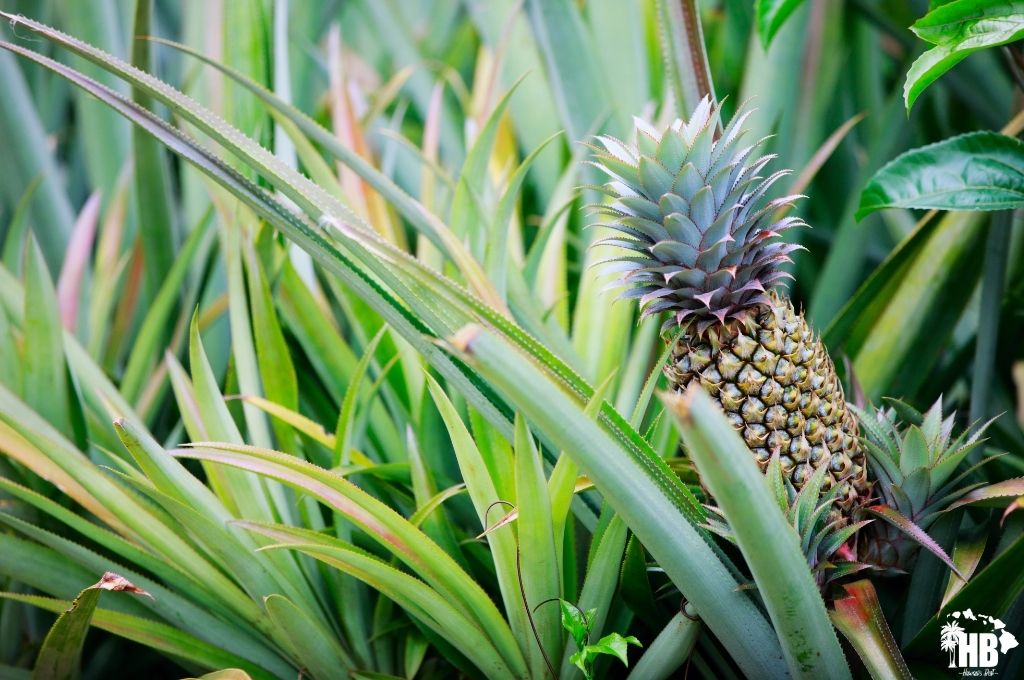
I’ve tasted countless pineapples during my years exploring Hawaii’s islands, and nothing beats the sweet, juicy flavor of locally grown fruit.
These golden treasures are available year-round, with peak season running from April through September. The fruit is ripe when it feels soft, turns yellow-orange, and gives off a sweet aroma.
Sugarloaf pineapple stands out as a special treat you can only find in Hawaii. This variety has white flesh and tastes incredibly sweet with low acidity. Mainland stores don’t carry this type because it doesn’t ship well.
Pineapple shows up in local fruit platters, desserts, and tropical recipes like pineapple tarts and ice cream. The fruit came from South America originally, but it became Hawaii’s most popular symbol.
Local markets and fruit stands sell fresh pineapples that taste far better than anything you’ll find back home.
2. Mango
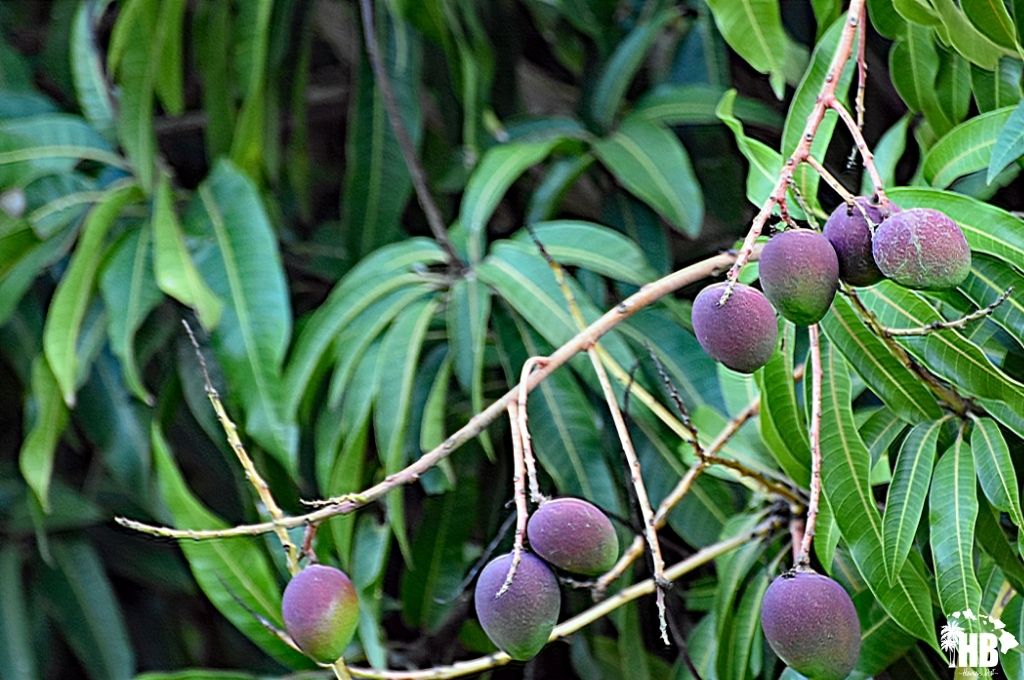
Hawaiian mangoes taste like pure tropical paradise. Hawaii grows over 60 mango varieties, with Keitt, Fairchild, Hayden, Pirie, and Rapoza among the most common. These sweet, juicy fruits blow mainland varieties out of the water.
From May through late July, mango season peaks during summer months. The flavor and juiciness of Hawaiian mangoes are considered superior to mainland varieties. Local farmers markets and roadside stands sell these golden treasures at their ripest.
Hotel buffets serve fresh mango slices during breakfast spreads. The fruit packs high levels of vitamin C and works perfectly in desserts like mango mousse cake. Locals eat mangoes raw or turn them into jams, sauces, and baked goods.
The Pau Hana Tropical Fruit Platter features mangoes as a staple during their growing season. These tropical gems make every bite taste like sunshine, and their sweet pulp creates the perfect addition to any Hawaiian meal.
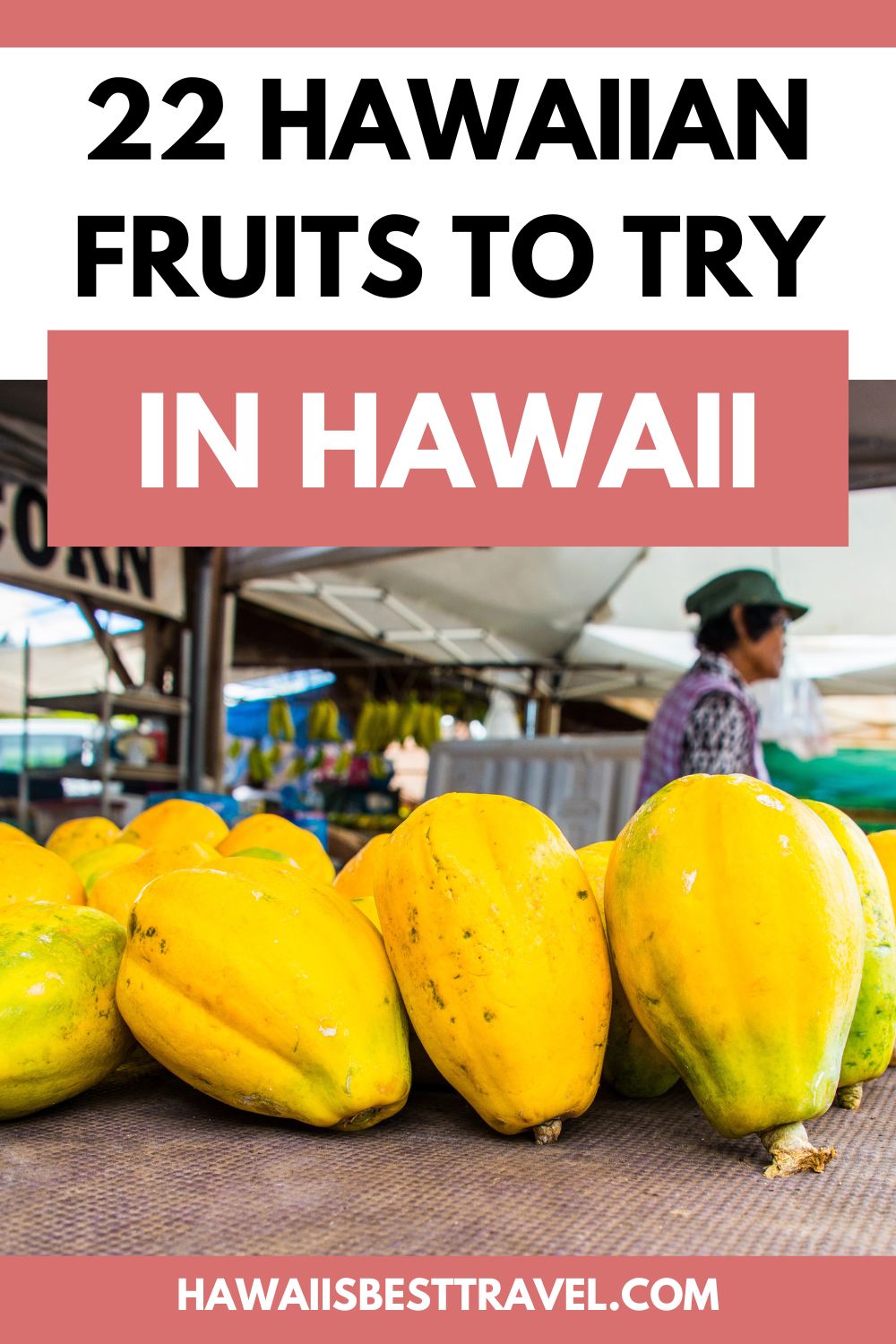
3. Papaya
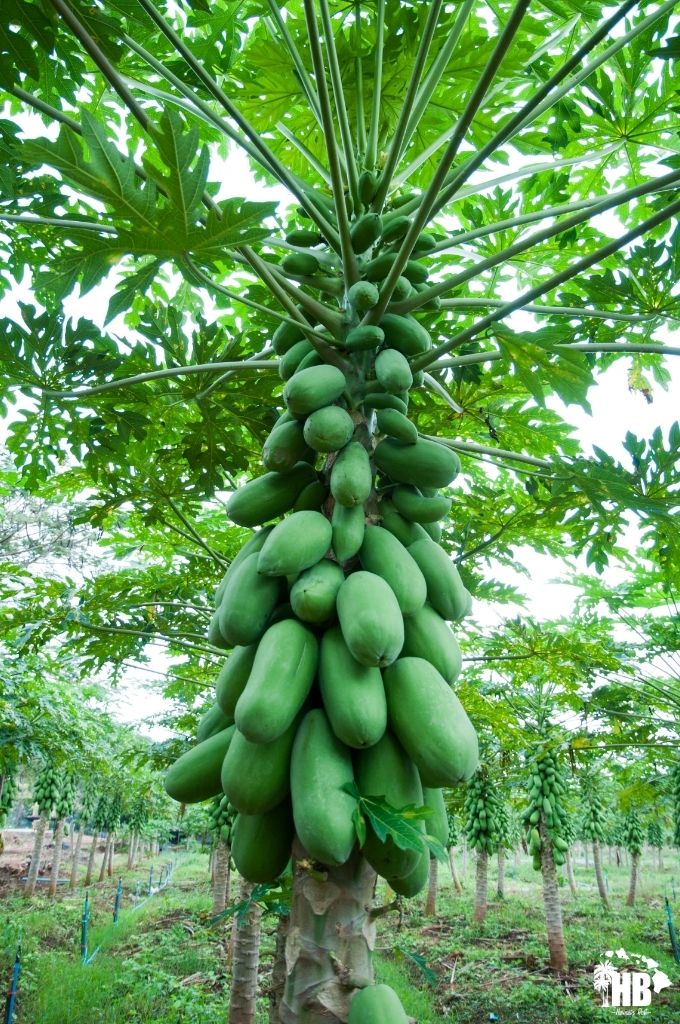
Papaya grows year-round in Hawaii, making it one of the most reliable tropical fruits you’ll find on the islands. I’ve watched countless visitors discover this buttery, pear-shaped fruit at hotel buffets and local markets during my years hosting Hawaii’s Best Travel.
The yellow or reddish-orange flesh delivers a mild melon-like sweetness that pairs perfectly with a squeeze of lime. This tender fruit comes packed with enzymes and vitamin C, which explains why locals often enjoy it for breakfast or dessert.
Polynesian voyagers brought papaya to Hawaii as one of their essential “canoe crops,” and it remains a cornerstone of hawaiian cuisine today. The fruit works beautifully in tropical smoothies and fruit salads, offering both refreshing taste and digestive benefits.
Most visitors find papaya at farmers markets across the islands, where vendors often slice it fresh and serve it with lime. Apple bananas make an excellent pairing with papaya in fruit bowls, creating a perfect introduction to Hawaii’s tropical fruit scene.
Our Favorite Hawaii Travel Resources!
🏨 Accommodations: We recommend Booking.com
✈️ Flights: For the cheapest flights, we use Skyscanner
🚗 Rental Car: We recommend Discount Hawaii Car Rental
🌋 Attractions: We recommend Viator
🌺 Luaus and Tours: We recommend Hawaii Tours
📱 Mobile Tour App: Our favorite is Shaka Guide
4. Apple Bananas
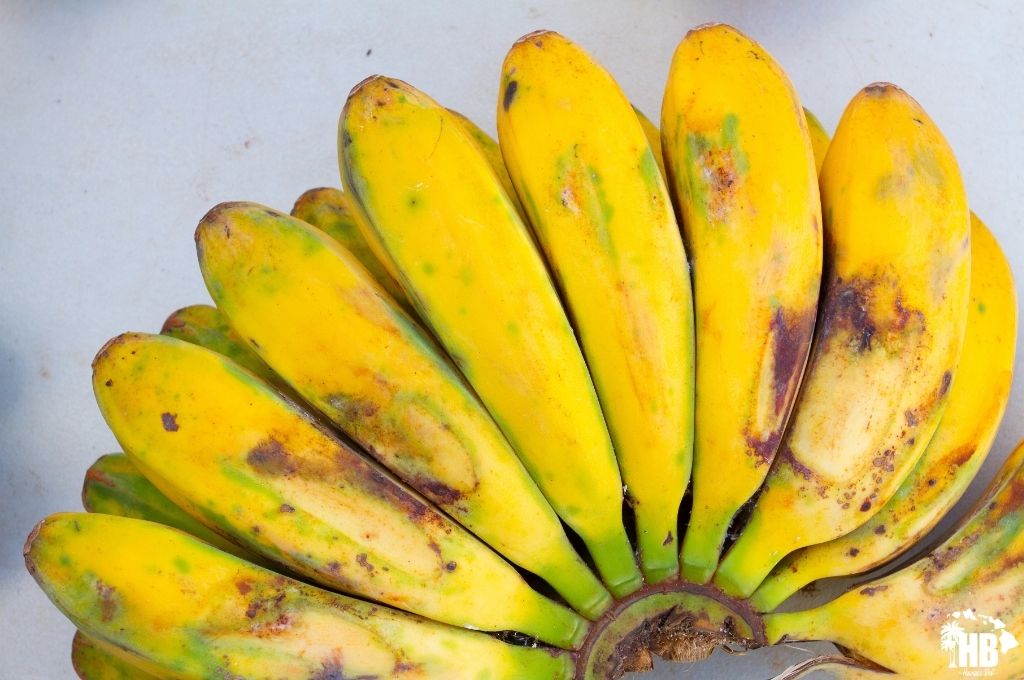
Apple bananas stand out as one of my favorite fruits to try during Hawaii travel. These small, tangy bananas pack more flavor than regular mainland bananas. Their texture stays firm instead of turning mushy.
Local farmers grow over 70 banana varieties across the islands, but apple bananas remain a top pick for visitors. You won’t find these shipped to the mainland, making them a true local specialty.
Hawaii grows several banana types including ice cream, popo ulu, Gros Michael, Namwah, and Williams varieties. Apple bananas stay available year-round at farmers markets, fruit stands, and grocery stores.
Local bakers use them in banana bread and banana lumpia. The Pau Hana Tropical Fruit Platter features these sweet treats when in season. Both locals and visitors enjoy them as a refreshing snack while exploring the islands.
5. Guava
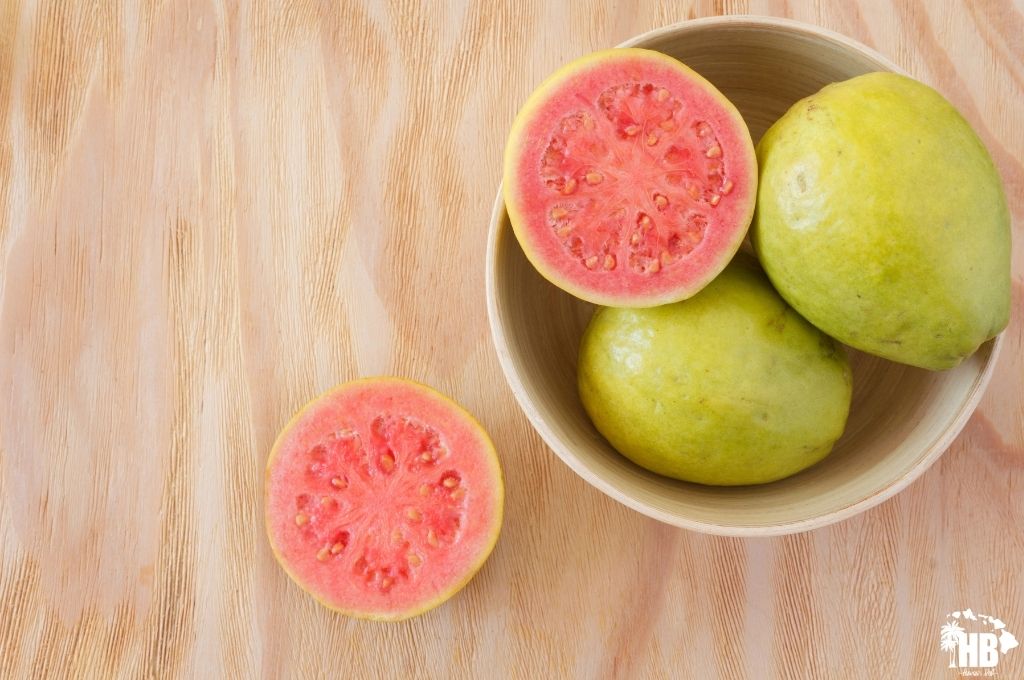
I love guava season in Hawaii, which runs from July through December. This tropical fruit packs incredible flavor that tastes like a blend of pear, apple, and strawberry all rolled into one.
You’ll find guava everywhere during hikes through the islands’ forests, where you can pick the ripe fruit right off the trees. The edible seeds add a nice crunch to each bite.
Guava appears in many local favorites like POG juice, which combines passion fruit, orange, and guava into one refreshing drink. Local markets sell white guava from August to April, while strawberry guava grows wild across the islands.
Each guava contains only 37 calories but delivers essential vitamins and minerals your body needs. Bakeries use guava in jams, jellies, and sweet pastries that locals and visitors love.
You’ll spot this delicious fruit on tropical fruit platters and in drinks at hotels and restaurants. Next, let’s explore the creamy sweetness of coconut in Hawaii.
6. Coconut
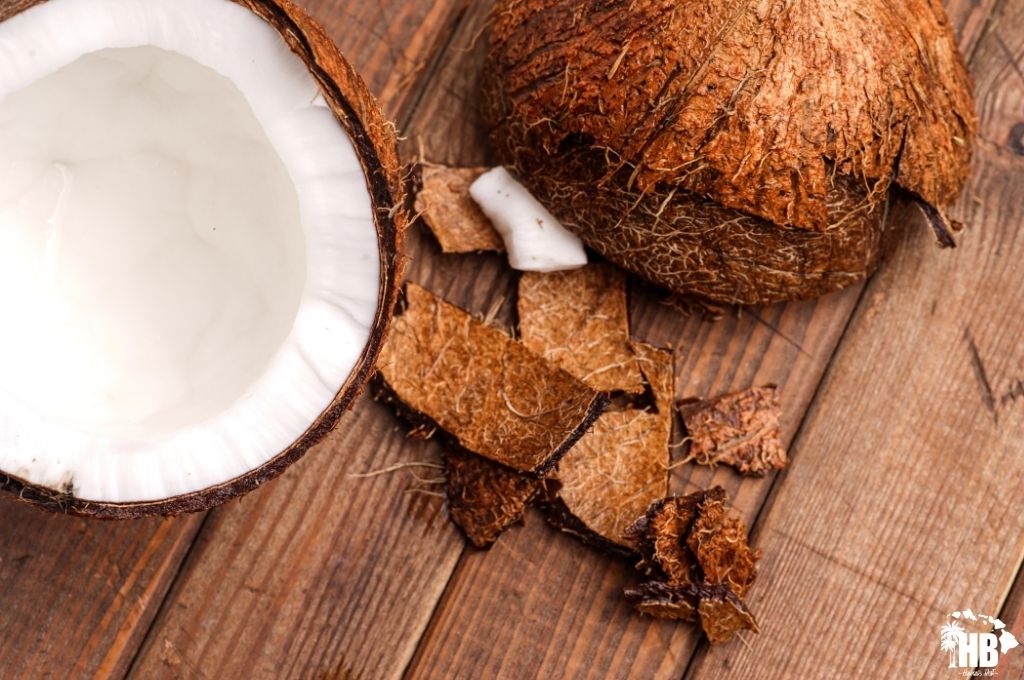
Moving from the sweet guava experience, coconut stands out as one of Hawaii’s most versatile tropical treasures. This fruit grows year-round across the islands, making it a reliable treat for visitors any time they arrive.
Coconut trees dot the Hawaiian landscape, and locals harvest both young green coconuts filled with sweet water and mature brown ones packed with rich meat.
Fresh coconut water straight from a young coconut tastes nothing like the bottled versions back home. The sweet, clear liquid refreshes tired travelers after long beach days. Mature coconuts offer thick, white meat that locals turn into coconut milk by soaking and straining the flesh.
This creamy liquid becomes the base for haupia, a traditional Hawaiian dessert that melts on your tongue. Polynesian voyagers brought coconut as one of their original canoe crops, and it remains a cornerstone of island cooking today.
Farmers markets across all islands sell fresh coconuts, and vendors will crack them open right in front of you with a machete.
Unique and Exotic Hawaiian Fruits to Try
I’ve discovered some incredible exotic fruits during my years exploring Hawaii that most visitors never try, and these tropical treasures will completely change how you think about island flavors.
7. Passionfruit (Lilikoi)
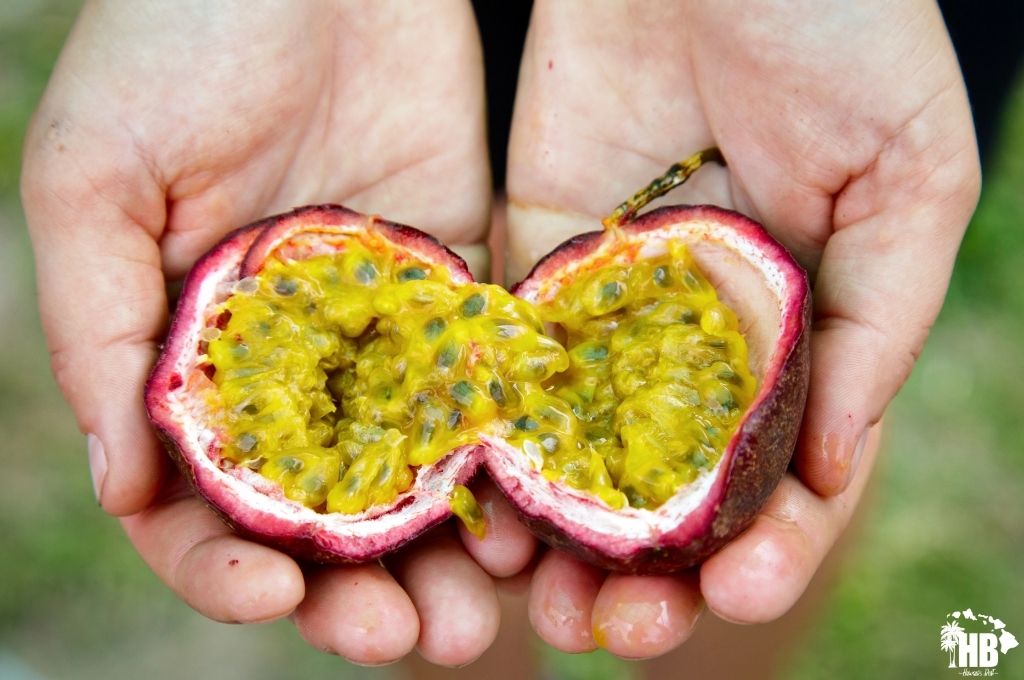
Lilikoi holds a special place in my heart as one of Hawaii’s most beloved exotic fruits. This sweet, tangy treasure arrived from Australia in the early 1900s and quickly became a local favorite.
The wrinkled purple skin signals perfect ripeness, hiding a gooey interior packed with edible seeds and incredible flavor. Harvest season runs from June through January, making it a fantastic fruit to try during most visits to the islands.
POG juice wouldn’t exist without lilikoi’s distinctive taste, and tropical cocktails across Hawaii feature this floral, lemony fruit. The tart pulp works beautifully in desserts, jams, and butter spreads that locals love.
Rich in vitamin C and antioxidants, this refreshing fruit offers both incredible taste and health benefits. Crack open the shell with a spoon and scoop out the aromatic flesh for an authentic Hawaiian experience that captures the true spirit of tropical paradise.
8. Dragon Fruit (Pitaya)
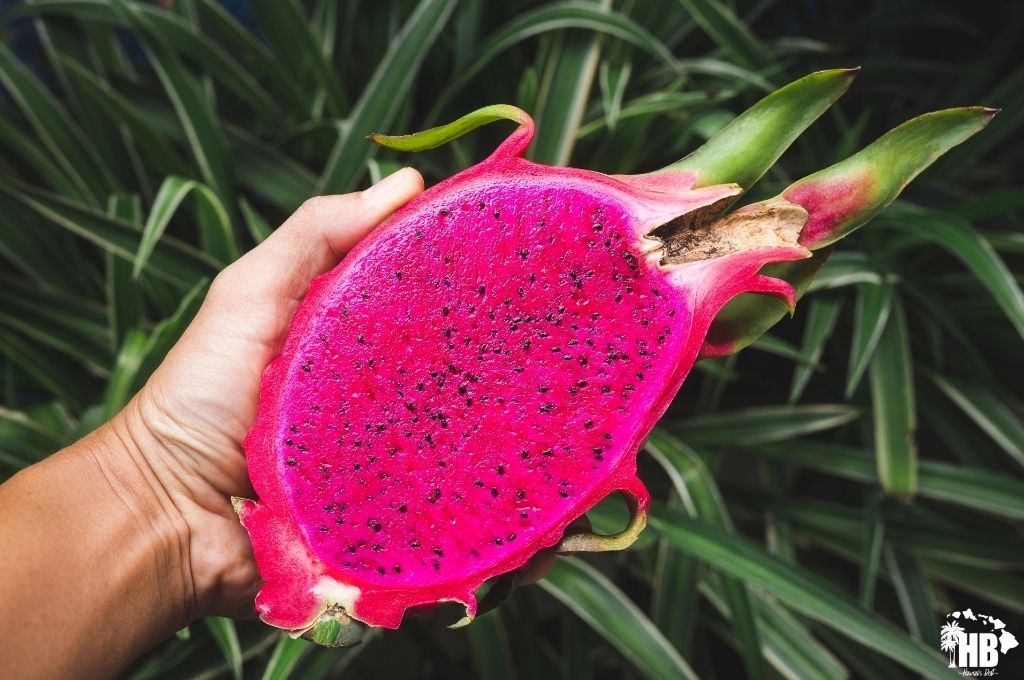
Moving from the tangy lilikoi to another tropical treasure, dragon fruit brings its own magic to Hawaii’s fruit scene. This exotic beauty grows on a cactus that blooms at night and requires hand pollination in Hawaii.
The season runs from July through October, making summer and early fall the perfect time to try this stunning fruit.
Dragon fruit looks like something from a fairy tale with its red, green, or yellow exterior and purple interior in some varieties. The fruit is juicy, mildly crunchy, and tastes similar to peach, kiwi, and pink Starburst candy.
I love how this fruit packs a nutritional punch too, loaded with antioxidants and vitamin C that support a healthy immune system. Local restaurants use dragon fruit as a popular garnish because of its eye-catching appearance, and you’ll often spot it at farmers markets and fruit tastings across the islands.
9. Rambutan
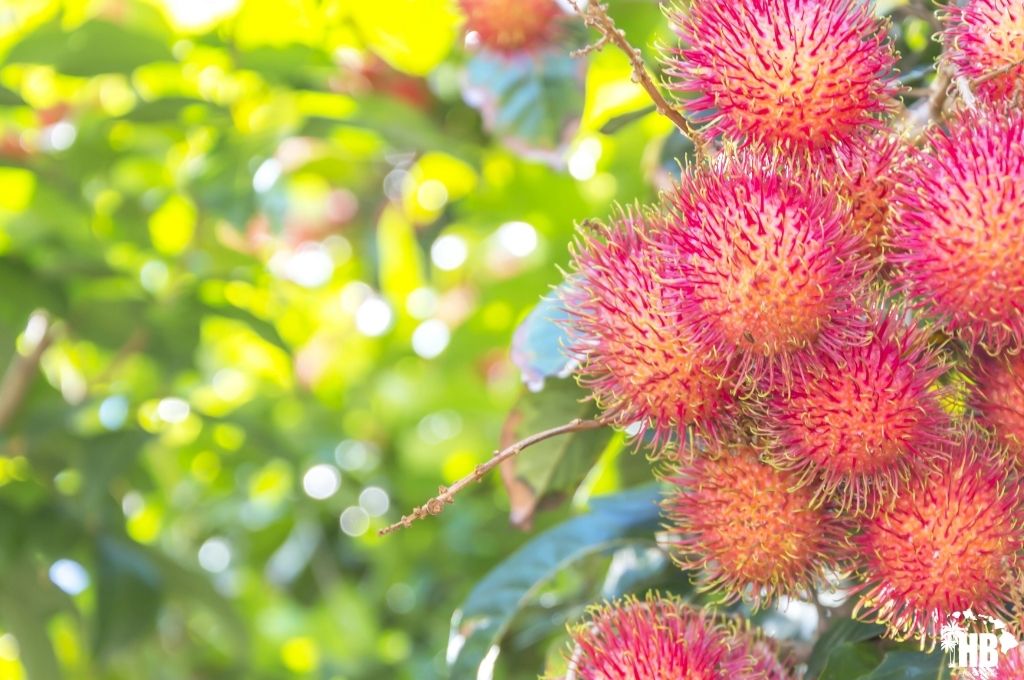
Dragon fruit might catch your eye first, but rambutan will steal your heart with its wild appearance. This hairy red fruit looks like something from another planet, yet it delivers one of the sweetest experiences you’ll find at Hawaii’s farmers markets.
I’ve watched countless visitors pick up rambutan for the first time, puzzled by its spiky exterior. The fruit is available from October to March, with February and March offering peak quality.
Inside that intimidating shell lies a translucent, juicy flesh that tastes like lychee’s tarter cousin. The texture feels squishy and refreshing, packed with vitamin C, manganese, iron, calcium, and potassium.
Local vendors often include rambutan in tropical fruit platters, and I’ve seen tourists light up after their first bite. Fresh rambutan doesn’t ship well to the mainland due to its short shelf life, making it a true Hawaii treat you can only enjoy here.
How to Eat Rambutan Safely and Easily
I first tried rambutan at a fruit stand in Hilo and felt intimidated by its spiky appearance. This exotic fruit from Southeast Asia becomes simple to enjoy once you know the proper technique.
- Slice around the middle of the rambutan with a small knife, cutting through the hairy red skin but not into the white flesh inside.
- Gently twist the two halves apart and peel away the inedible skin to reveal the translucent white fruit inside.
- Pop the entire fruit in your mouth like a grape, but be careful of the large seed in the center.
- Bite around the seed and enjoy the sweet flesh, then spit out the hard seed which is not edible.
- Choose rambutan that feels firm and has bright red skin for the best taste and texture.
- Store fresh rambutan in a cool place and eat within a few days as quality declines rapidly.
- Serve chilled rambutan for enhanced flavor, especially on hot Hawaiian days when you want a refreshing tropical treat.
- Avoid eating overripe rambutan that feels mushy or has dark spots on the skin.
How Ya Doing? Take the mid-post, Hawaiian fruits, quiz
Hawaiian Fruits Knowledge Quiz
Quiz Complete!
10. Lychee
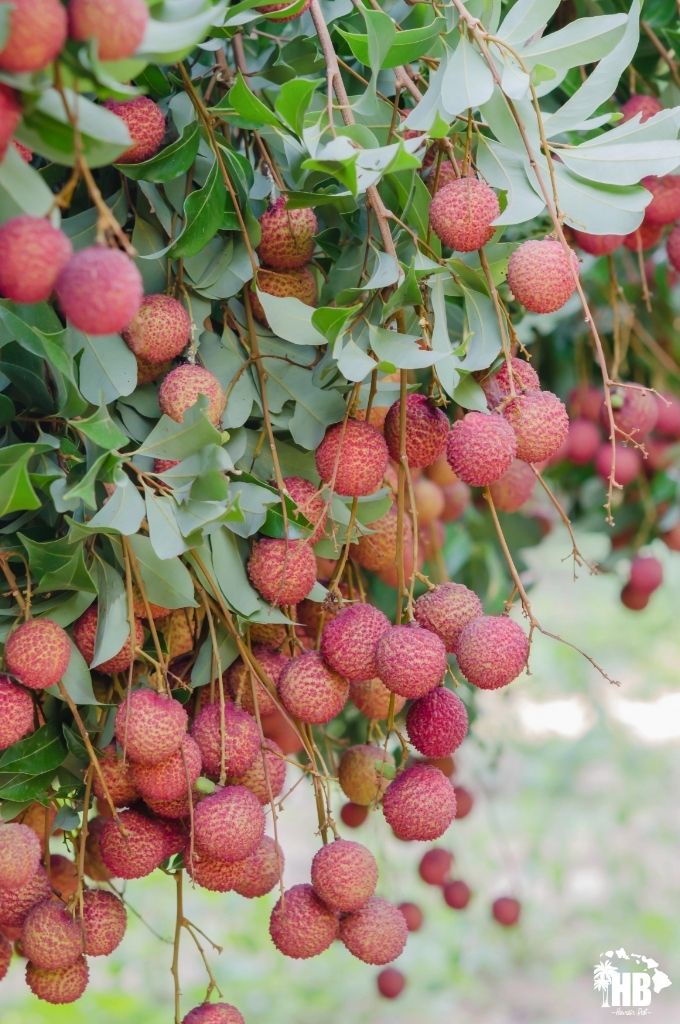
I discovered lychee during my first farmers market visit on Oahu, and this tropical fruit quickly became one of my favorites. Lychee season in Hawaii runs from May to September, making it a perfect summer treat for visitors.
The fruit has a musky grape-like texture with a large pit inside, but don’t let that stop you from trying it. Lychee is 82% water and offers incredible refreshment on hot Hawaiian days.
The taste combines grape, strawberry, and citrus flavors into one amazing bite. This exotic fruit is high in vitamin C and tastes sweeter than rambutan, another popular Hawaii tropical fruit.
Locals and visitors enjoy lychee fresh, canned, or mixed into desserts and green tea. You’ll find this seasonal fruit at farmers markets across all the islands during its growing season.
Many hotels feature lychee in their tropical fruit platters, giving you an easy way to sample this delicious treat.
11. Longan (“Dragon Eye” Fruit)
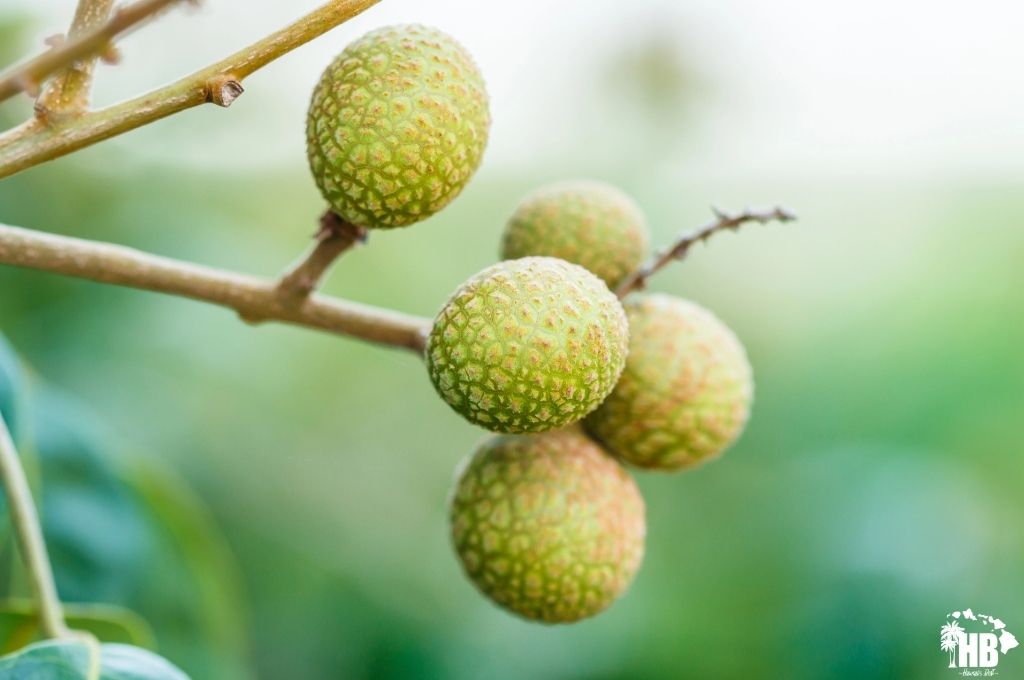
Longan fruit tastes like a sweet burst of tropical sunshine in your mouth. This smooth-skinned treasure gets its nickname “dragon eye” from the translucent flesh that surrounds a dark seed, creating an eye-like appearance.
I find longan at farmers markets year-round across Hawaii’s islands, making it one of the most reliable exotic fruits to try during your visit. The fruit packs high levels of vitamin C and delivers juicy sweetness that locals love.
Dragon eye fruit has a longer shelf life than its cousins lychee and rambutan, so you can stock up without worry. Farmers markets sell this treat fresh, and many specialty food tours feature longan in their tastings.
The fruit works perfectly in fruit salads or Asian-inspired desserts that hotels often serve. Local vendors peel the smooth skin easily, revealing the grape-like flesh inside that bursts with flavor when you bite down.
Star fruit offers another exotic option worth exploring during your Hawaiian fruit adventure.
12. Starfruit
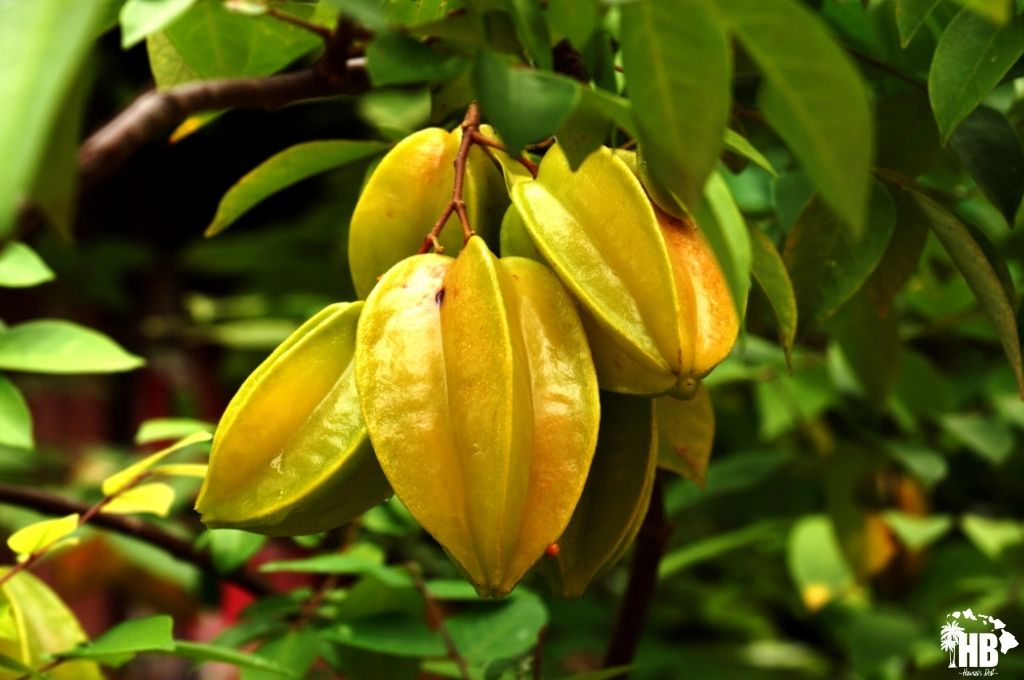
Starfruit, also called carambola, grows beautifully across Hawaii from September to April. I’ve spotted these golden beauties at farmers markets throughout the islands, and they never fail to catch visitors’ eyes.
The fruit transforms from green to bright yellow as it ripens, becoming sweeter with each passing day. Each slice reveals a perfect five-pointed star shape that makes drinks and desserts look absolutely stunning.
This tropical gem packs serious nutritional value with high levels of vitamin C and B5, all while staying low in calories. The sweet-tart flavor combines with a juicy, crunchy texture that refreshes on hot Hawaiian days.
Local vendors at roadside stands often feature starfruit in their seasonal selections, and many hotels include it in their Pau Hana Tropical Fruit Platters during peak season. The fruit works perfectly eaten fresh, tossed into fruit salads, or used as an eye-catching garnish for tropical cocktails.
13. Hawaiian Mountain Apple
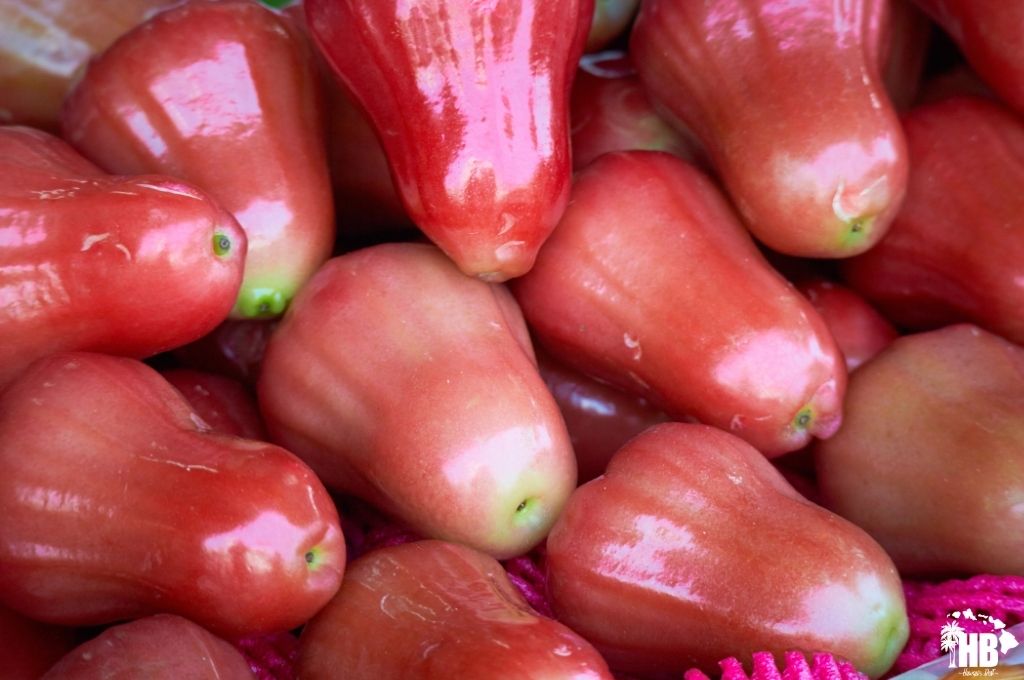
Moving from the star-shaped starfruit, let’s explore another bell-shaped treasure that locals call “hia’ai.” I’ve discovered that Hawaiian mountain apple offers one of the most delicate flavors you’ll find on the islands.
This ruby red fruit combines the taste of watermelon, apple, and rose into one incredible bite.
Polynesian settlers brought this canoe crop to Hawaii centuries ago, making it a true part of local culture. The fruit ripens in late summer through fall, displaying beautiful magenta flowers before producing its juicy flesh.
You’ll find mountain apple at farmers markets and roadside fruit stands, but don’t expect to take any home, since it doesn’t ship well. I recommend eating it fresh or trying mountain apple sauce for a tropical twist on applesauce.
14. Breadfruit (ʻUlu)
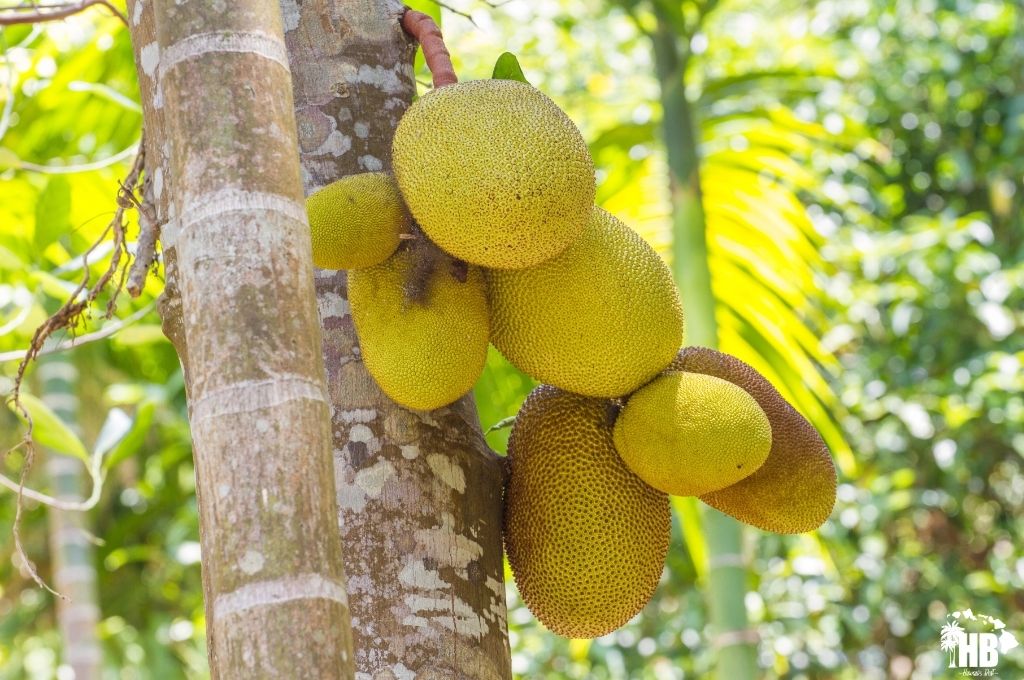
Mountain apples offer sweet refreshment, but breadfruit provides something completely different for your Hawaii adventure. This starchy treasure weighs between 2 and 10 pounds per fruit and grows year-round across the islands.
Polynesian voyagers brought breadfruit to Hawaii around 400 A.D. as a canoe crop, making it one of the oldest cultivated foods here. The cooked flesh tastes sweet and nutty with a potato-like texture that works perfectly as a meat alternative in curries or mashed like potatoes for dinner.
Local farmers markets sell fresh breadfruit regularly, and you’ll often see it featured in cultural demonstrations at places like the Polynesian Cultural Center. Try it fried as chips, made into hummus, or prepared in traditional Hawaiian recipes that showcase this versatile staple food.
15. Soursop
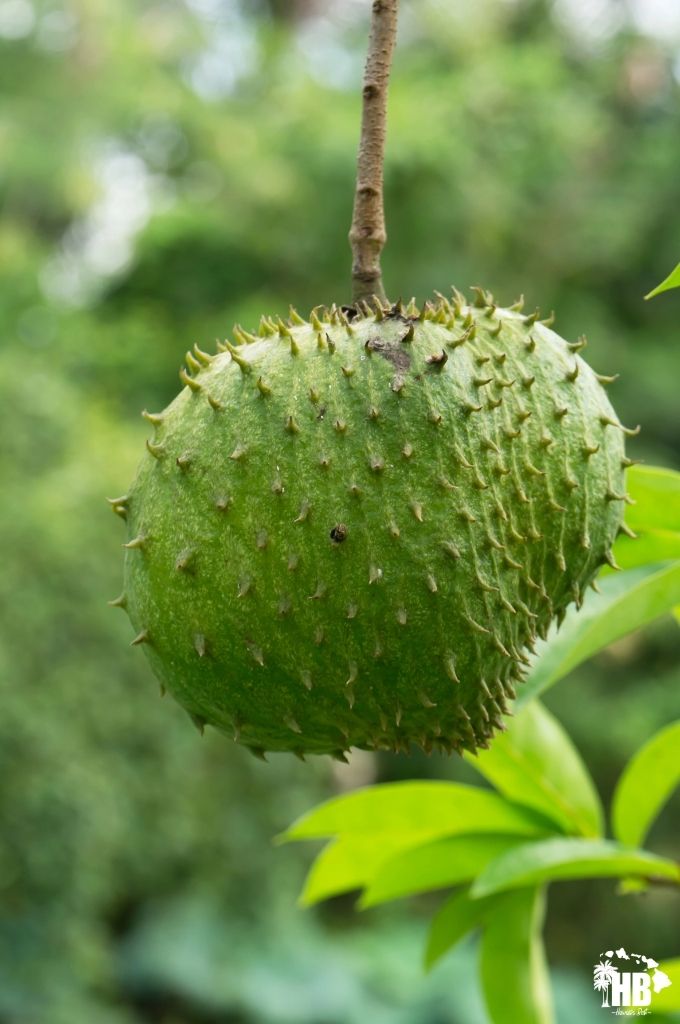
Soursop brings a tropical surprise to Hawaii’s fruit scene with its creamy, custard-like texture that tastes like a blend of strawberry, apple, and banana. This large, green, spiky fruit grows in diverse microclimates on the Big Island, though it’s not native to Hawaii.
The white, juicy flesh inside packs high levels of antioxidants and nutrients that locals use in both sweet and savory dishes. Soursop appears at specialty farmers markets during January through April, June through August, and October through November.
The fruit works perfectly in smoothies and desserts, plus some creative cooks use it as a vegan meat substitute in savory recipes. Soursop sometimes shows up in the Pau Hana Tropical Fruit Platter during its growing seasons.
Fruit tastings offer another great way to try this exotic treasure. Dragon fruit offers another exciting option for adventurous fruit lovers visiting the islands.
More Unique Hawaiian Fruits Grown in Hawaii
16. Eggfruit (Canistel)
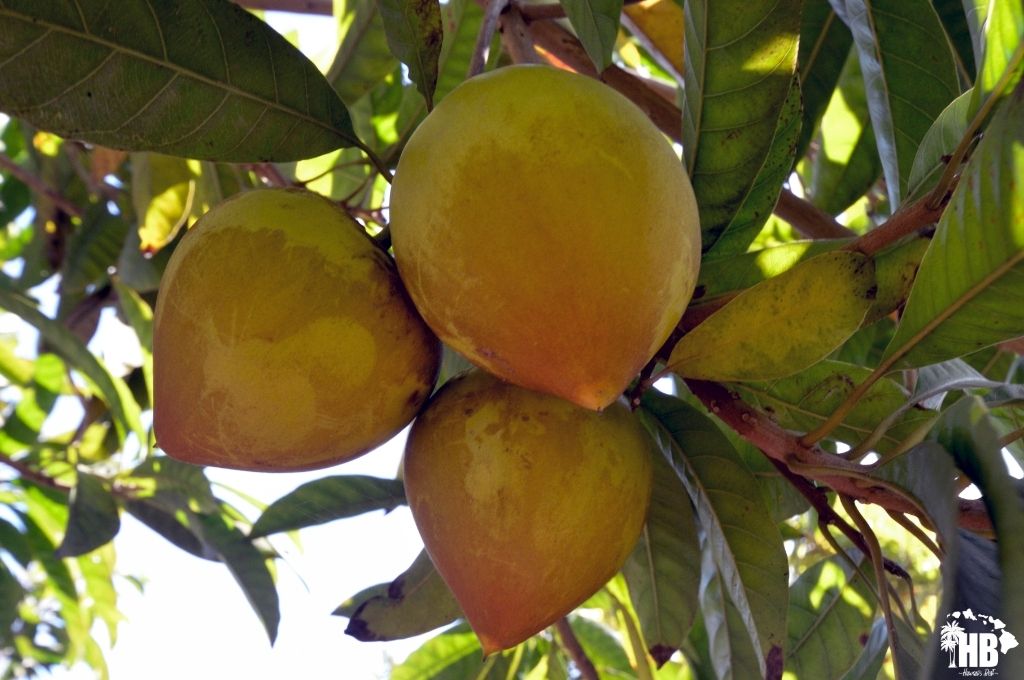
Eggfruit, also known as canistel, is one of Hawaii’s most intriguing tropical fruits. This golden-yellow fruit has a unique, custard-like texture that’s remarkably similar to a hard-boiled egg yolk—hence its name. The flavor is sweet and mild, with subtle notes of sweet potato and pumpkin.
When ripe, the flesh becomes soft and creamy, making it perfect for smoothies, ice cream, or eating fresh with a spoon. The texture can be quite dry, so many locals enjoy it blended with milk or other fruits.
Eggfruit trees thrive in Hawaii’s tropical climate and produce fruit throughout much of the year, though peak season typically runs from late fall through spring. You’ll find this unusual fruit at farmers markets across the islands, where vendors can help you select perfectly ripe specimens.
17. Jackfruit
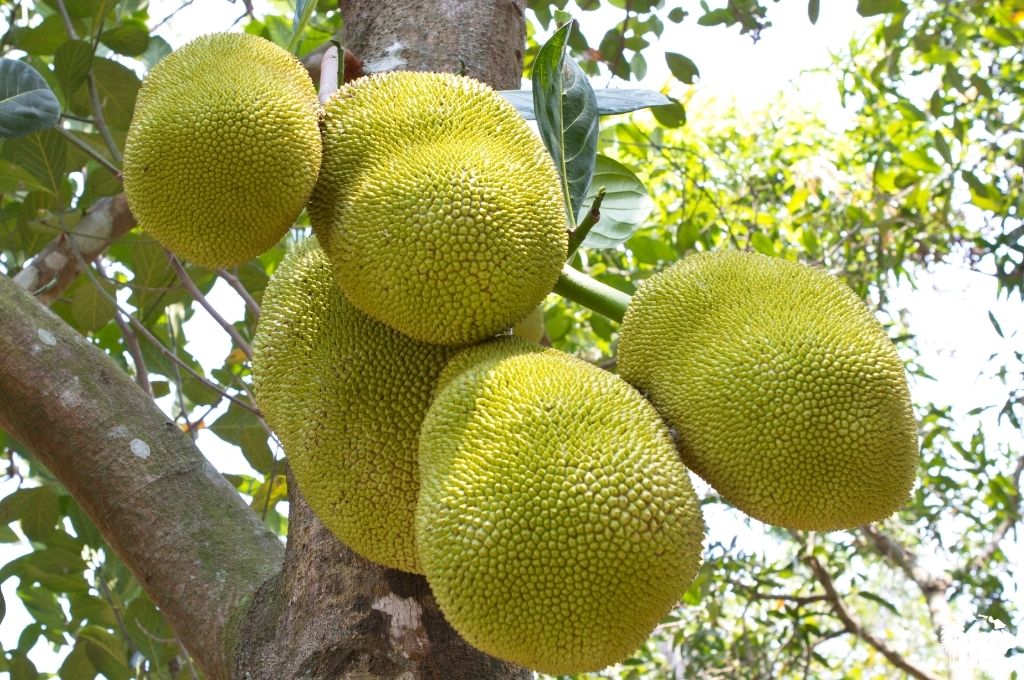
Jackfruit is the world’s largest tree fruit, and Hawaii’s tropical climate provides ideal growing conditions for this impressive giant. A single jackfruit can weigh up to 80 pounds and measure over 3 feet long, making it an unforgettable sight at local markets.
Inside the spiky green exterior, you’ll discover golden pods with a sweet, tropical flavor reminiscent of a blend between pineapple, mango, and banana. The texture is unique—slightly chewy and fibrous when ripe. While jackfruit is available year-round in Hawaii, you’ll find the most abundant harvest during the summer months.
Fresh jackfruit is available at farmers markets throughout the islands. Many vendors will cut the fruit for you, which is helpful given its size and sticky latex sap.
18. Mangosteen
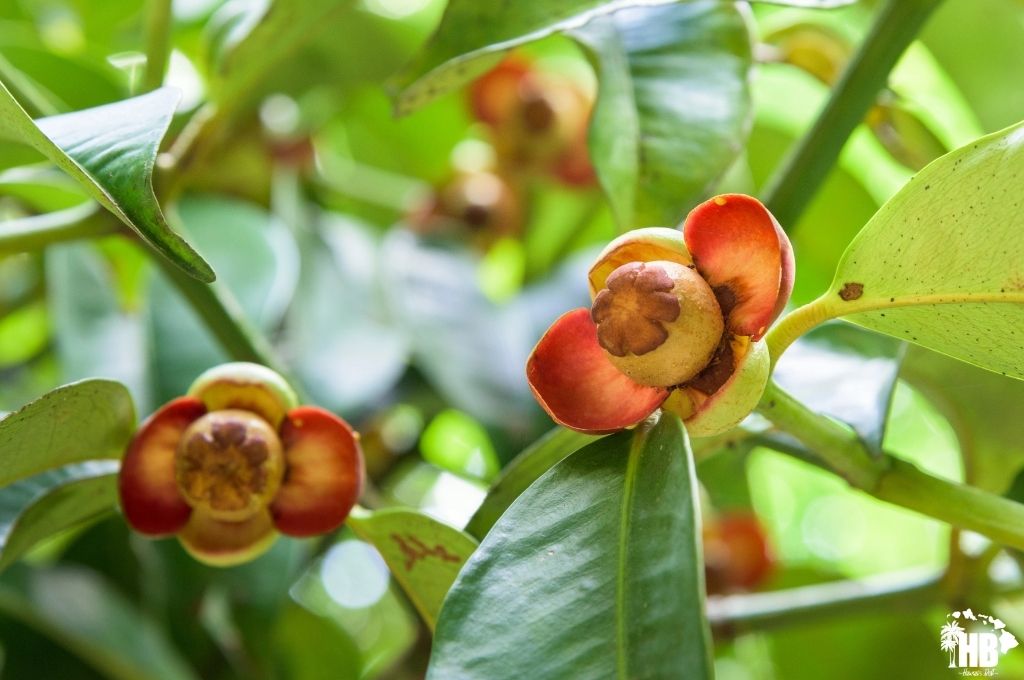
Often called the “queen of fruits,” mangosteen is a prized tropical delicacy that grows in Hawaii’s warmest regions. This small, round fruit has a thick, deep purple rind that encases snow-white segments of incredibly sweet, tangy flesh.
The flavor is complex and refreshing—imagine a blend of peach, strawberry, and citrus with floral notes. The texture is soft and juicy, similar to a lychee but more delicate. Hawaii’s climate allows for the cultivation of high-quality mangosteens, though they remain relatively rare and expensive.
Mangosteen season in Hawaii typically runs from summer through fall. You’ll find them at specialty farmers markets and some Asian grocery stores. The fruit is ripe when the rind yields slightly to gentle pressure.
19. Persimmon
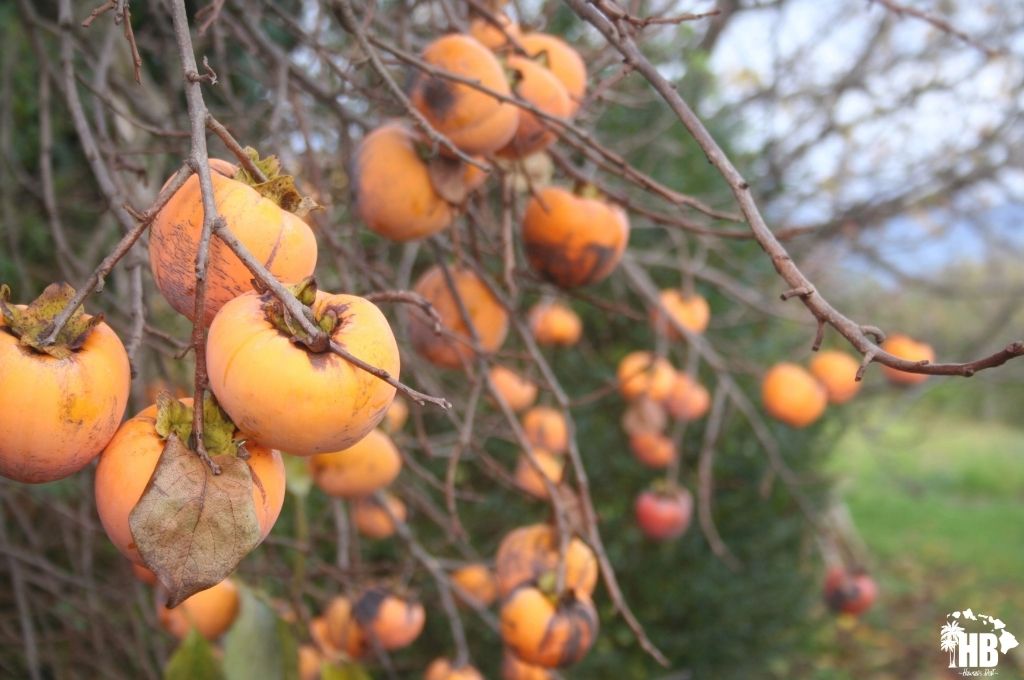
Hawaii grows several varieties of persimmons, with the Fuyu type being most common at local markets. These bright orange fruits look like flattened tomatoes and offer a sweet, honey-like flavor when fully ripe.
Fuyu persimmons can be eaten while still firm and crisp, like an apple, or when soft and jammy. The flavor intensifies as they ripen, developing notes of brown sugar and cinnamon. There’s no astringency in properly ripened Fuyu persimmons, making them perfect for fresh eating.
Persimmon season in Hawaii runs from fall through winter, typically October through January. You’ll find them at farmers markets across the islands during these months.
20. Sugarloaf Pineapple
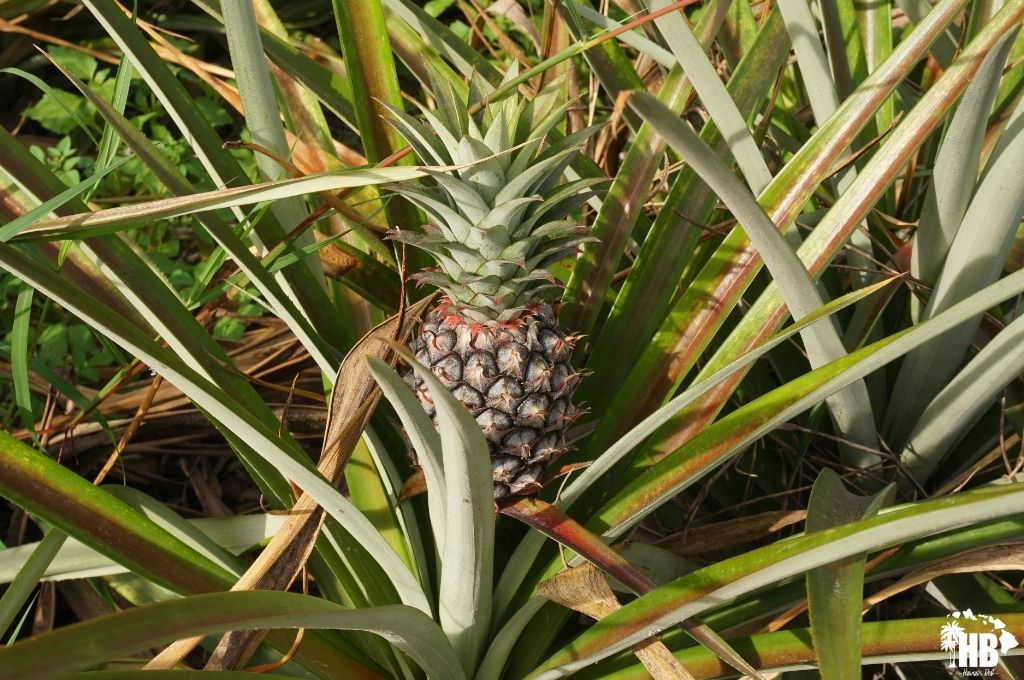
The Sugarloaf pineapple is a special variety known for its exceptional sweetness and low acidity. Unlike common pineapples, Sugarloaf has white to pale yellow flesh and a cylindrical shape that tapers at the top—resembling a sugarloaf, the traditional cone-shaped form in which refined sugar was sold.
What makes Sugarloaf pineapple truly special when comparing a “traditional” pineapple is its incredibly sweet flavor with virtually no acidity, making it gentle enough to eat in large quantities without the mouth irritation common with other pineapple varieties. The flesh is tender and juicy with a honey-like sweetness.
While not as widely grown in Hawaii as the traditional golden pineapple, you can find Sugarloaf pineapples at select farmers markets, particularly on Maui and the Big Island. They’re typically available during the summer months.
21. White Guava
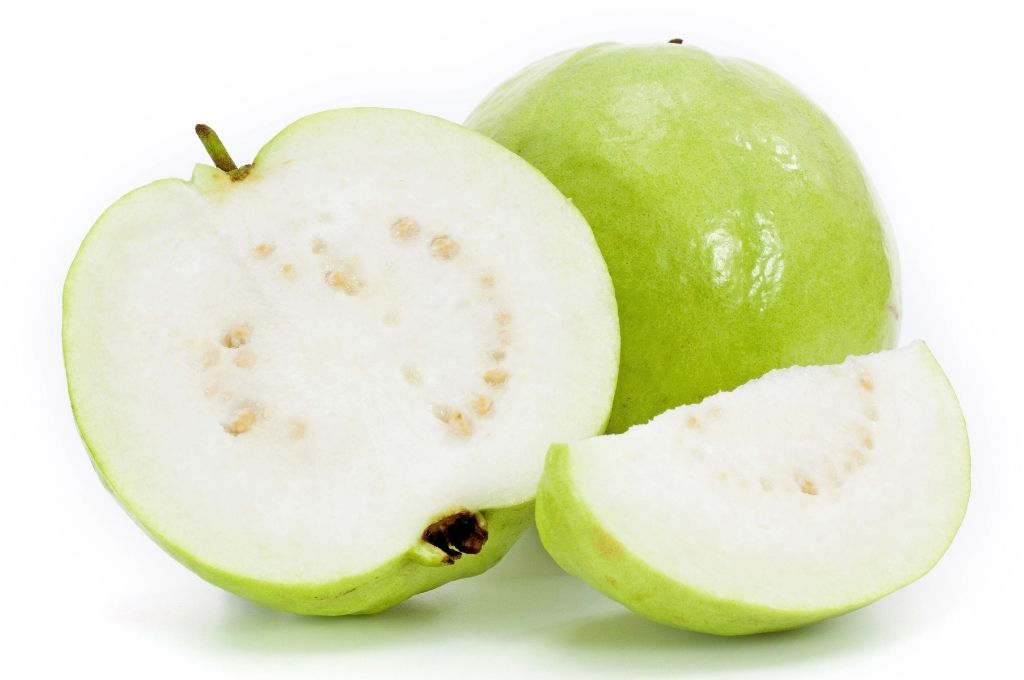
White guava, also called Mexican cream guava, is a beloved fruit in Hawaii with a devoted local following. These small, round fruits have pale yellow-green skin and creamy white flesh filled with small, edible seeds.
The flavor is intensely sweet and aromatic, with a creamy texture that’s less grainy than pink guava. The taste combines tropical sweetness with subtle floral notes, making it perfect for eating fresh or blending into smoothies and juices.
White guava trees produce fruit year-round in Hawaii, with peak season typically in the summer and fall months. You’ll find them at farmers markets throughout the islands, and many locals have guava trees in their yards.
22. Strawberry Guava
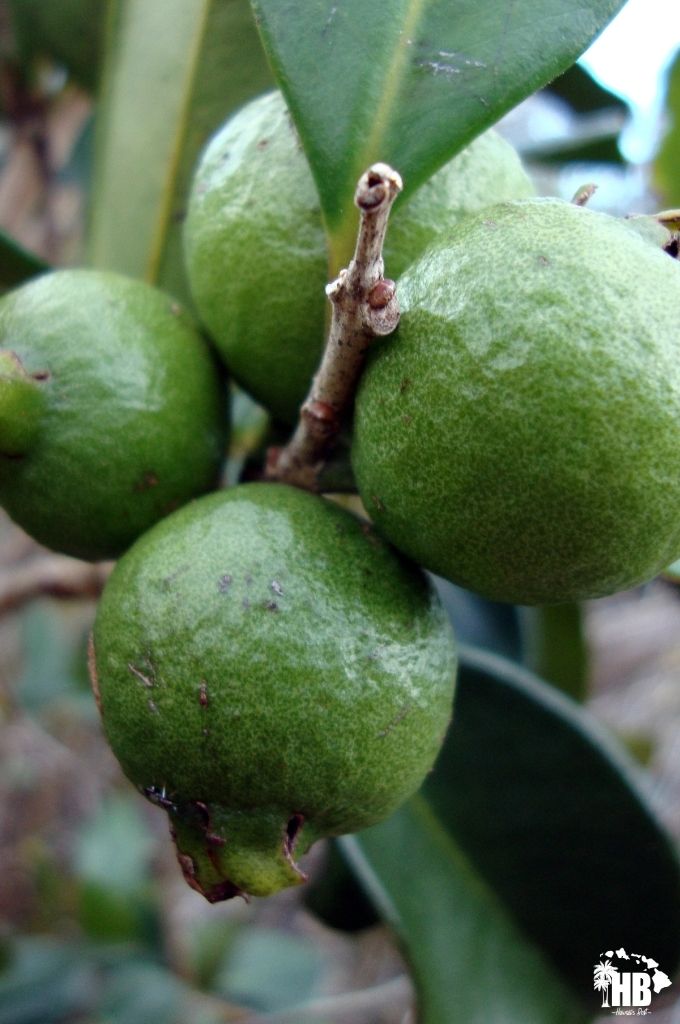
Strawberry guava is a small, round fruit about the size of a cherry tomato, with deep red skin and white to pink flesh. Despite being considered an invasive species in Hawaii, it remains popular for its delicious flavor.
The taste is sweet-tart with distinct strawberry notes, hence the name. The flesh is juicy and aromatic, with small edible seeds throughout. Many locals enjoy eating them fresh, though they’re also excellent for making jams, jellies, and beverages.
Strawberry guava is abundant in Hawaii and fruits primarily during the summer and fall months. You’ll find them at farmers markets, and they grow wild in many forested areas across the islands.
Seasonality of Hawaiian Fruits
Hawaii’s tropical climate creates perfect growing conditions year-round, but each fruit has its own special season. I’ve learned that timing your visit right can mean the difference between tasting a perfectly ripe mango or missing out completely.
Fruits Available Year-Round in Hawaii
The islands offer a bounty of tropical treasures that never go out of season. These year-round fruits make Hawaii a paradise for fruit lovers who visit any time of the year.
- Pineapple grows continuously across Hawaiian plantations, with Dole Plantation leading production for decades. Fresh pineapple tastes completely different from canned versions, offering incredible sweetness and juicy flesh that locals and visitors enjoy daily.
- Hawaiian papaya appears on breakfast tables and dessert menus throughout the year due to its constant availability. This orange fruit provides vitamin C and digestive enzymes, making it perfect for morning meals or refreshing snacks.
- Apple bananas grow year-round alongside multiple banana varieties including ice cream, popo ulu, Gros Michael, Namwah, and Williams types. These small, sweet bananas taste different from mainland varieties and work great in smoothies or as portable snacks.
- Coconut provides fresh coconut water and white meat every season, making it the ultimate tropical refreshment. Vendors crack open fresh coconuts daily, offering nature’s sports drink with natural electrolytes and creamy flesh.
- Breadfruit serves as a starchy fruit that Native Hawaiians brought as one of their canoe crops centuries ago. This versatile fruit can be prepared like potatoes, offering a filling addition to traditional Hawaiian meals.
- Avocado grows in over 200 varieties across the islands, though peak seasons vary by type. Local farmers’ markets sell these creamy fruits constantly, perfect for healthy snacks or adding to fresh fruit salads.
- Longan fruit gets harvested and sold throughout the year, earning the nickname “dragon eye” fruit for its appearance. Foodland, Hawaii’s largest locally owned grocery chain, stocks this sweet Asian fruit with translucent flesh and tiny black seeds.
- Lime trees produce citrusy fruit continuously, essential for local cooking and tropical drinks. These small green fruits add zesty flavor to everything from fish dishes to refreshing beverages served at hotel buffets.
Best Hawaiian Fruits by Season (Spring, Summer, Fall, Winter)
I’ve organized Hawaii’s fruit seasons to help you plan your tropical tastings during your visit.
| Season | Peak Fruits | Harvest Details |
|---|---|---|
| Spring | • Lychee • Citrus fruits • Starfruit (carambola) |
Lychee trees burst with sweet, floral clusters. Citrus groves offer fresh picks. Starfruit continues from winter months with sweet-tart flavor through April. |
| Summer | • Mango • Passionfruit (lilikoi) • Dragon fruit (pitaya) • Guava |
Mango season reaches peak ripeness. Lilikoi harvests run June through January. Dragon fruit vines produce vibrant pink specimens. Guava season starts in July, lasting through December. |
| Fall | • Breadfruit (ʻulu) • Dragon fruit • Jackfruit • Starfruit • Persimmon |
Breadfruit trees yield starchy staples. Dragon fruit continues producing. Jackfruit reaches massive sizes on trees. Starfruit season begins September. Persimmon offers brief October-November window. |
| Winter | • Breadfruit • Longan • Mangosteen • Rambutan • Soursop |
Breadfruit stays abundant. Longan “dragon eye” fruits appear on branches. Mangosteen provides purple treasures. Rambutan clusters offer hairy delights. Soursop seasons include January-April period. |
Pau Hana Tropical Fruit Platters change contents based on seasonal availability. Local vendors adjust their selections as harvests shift throughout the year. Soursop appears during January-April, June-August, and October-November periods. Farmers markets showcase the freshest seasonal picks during peak harvest times.
Where to Find Hawaiian Fruits in Hawaii
I’ve discovered that finding hawaii fruit becomes an adventure across the islands, from bustling farmers markets to hidden roadside stands. Your taste buds will thank you as you explore local grocery stores, farm tours, and even hotel buffets that showcase hawaii’s tropical bounty.
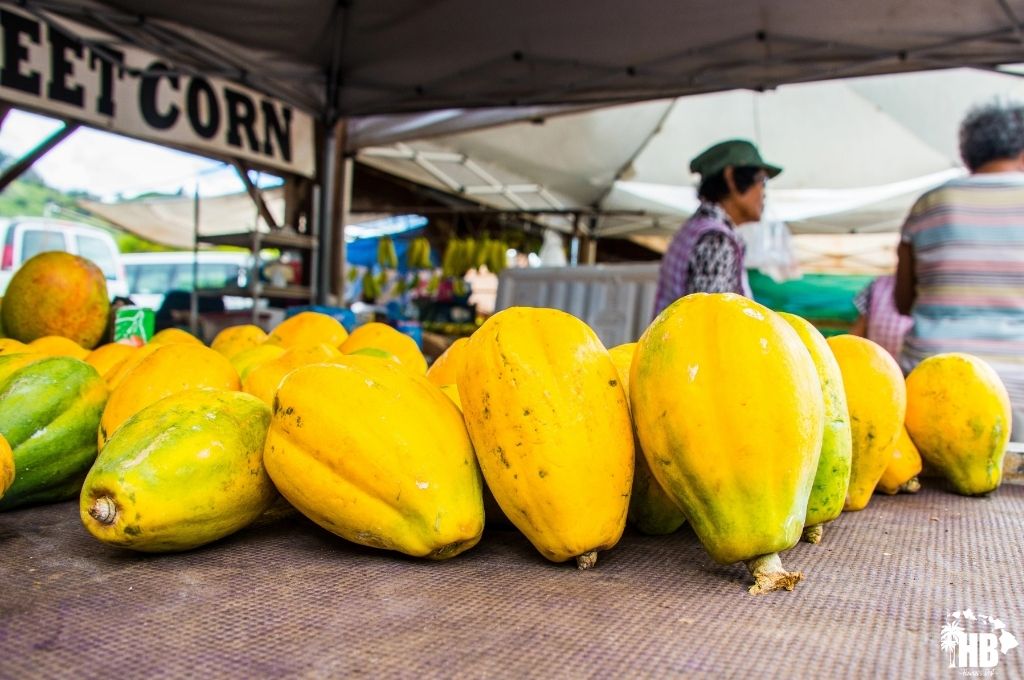
Farmers Market on Maui
Farmers Markets on the Islands
Farmers markets across Hawaii’s islands offer the best way to find fresh, local fruit at great prices. I’ve discovered these markets connect visitors directly with small-scale, family-run farms that grow hawaii’s tropical fruit varieties.
Local fruit stands and roadside vendors offer another excellent option for finding fresh Hawaiian produce during your island adventures.
Local Fruit Stands and Roadside Vendors
While farmers markets offer scheduled shopping, roadside vendors provide spontaneous fruit discoveries along your island adventures. These local stands dot scenic drives and hiking trails, bringing fresh tropical flavors right to your car window.
Grocery Stores, Supermarkets, and Hotel Buffets
Local fruit stands offer fresh picks, but major grocery stores provide convenience for busy travelers. Most supermarkets stock imported produce, though you’ll find some hawaii’s tropical fruit options.
Farm Tours and Fruit-Tasting Experiences
I’ve discovered that farm tours offer the perfect way to taste Hawaii’s tropical fruit while learning from local farmers. These experiences connect visitors with the islands’ agricultural heritage and seasonal fruit varieties.
Test Your Hawaiian Fruits Knowledge
Hawaiian Fruits Expert Challenge
Conclusion and final thoughts & advice
Your taste buds deserve this tropical adventure. Hawaii’s exotic fruits offer flavors that will surprise and delight every visitor. From sweet apple bananas to tangy lilikoi, each bite tells a story of island life.
Support local farmers while exploring these natural treasures, and bring home memories that last a lifetime.
Planning a trip to Hawaii? Join Our Facebook Group!
It’s the perfect place to ask any questions and to be inspired for your trip to Hawaii!
Enjoyed this Post About Hawaiian Fruits? (Pin it to save it!)
FAQs for Hawaiian Fruits
Can I bring fresh fruit from Hawaii back to the U.S. mainland?
Generally, no. The USDA prohibits most fresh fruits (like mangoes, papayas, and guavas) to prevent the spread of fruit flies and other pests. The only common exceptions are fresh pineapples and coconuts, which are allowed after passing the agricultural inspection at the airport. If you want to bring other fruits home, you must buy them from a certified shipper who treats and seals the fruit specifically for export.
Why is fruit so expensive in Hawaii?
Farming in Hawaii is costly due to high prices for land, water, labor, and shipping materials. Additionally, the demand from visitors often outpaces local supply, driving prices up. While roadside stands are often cheaper than grocery stores, prices still reflect the high cost of island agriculture.
Is it safe to eat wild fruit found on hiking trails?
Strawberry guava is a common, safe, and delicious snack found on many trails (it’s invasive, so eat as much as you want). However, you should always wash any wild fruit to remove dirt and potential bacteria like leptospirosis, which can be present in island soil and water. Never eat a fruit unless you can 100% identify it.
Are pineapples native to Hawaii?
No. Pineapples were introduced to Hawaii in the early 1800s from South America. While they became a major industry and symbol of the islands, they are not indigenous. “Canoe plants” that were brought by early Polynesian voyagers include breadfruit (‘ulu), bananas (mai’a), and mountain apples (‘ohi’a ‘ai).
What is the best time of year for mangoes?
Summer is the undisputed king of mango season. While you might find early crops in spring or late harvests in fall, the peak season for the sweetest, juiciest fruit runs from May through July.
RECOMMENDED POSTS

Maui vs Kauai: Which Hawaiian Island is Best for You? (Quiz Included)
[dssb_sharing_buttons columns="5" icon_width="fixed" alignment="left" icon_color="#000000" use_custom_icon_size="on" icon_font_size="16px"...

Ep. 213: Top 5 Maui Experiences You Won’t Forget! (Free and Paid Options)
Are you about to overspend on Maui activities that aren’t worth it while missing the island’s most incredible free experience? 👉 20+ Maui Free +...

Monkeypod Mai Tai Recipe: Just Like Monkeypod Kitchen (Copycat)
This post may contain affiliate links, meaning I earn a small commission if you use the links. View our Privacy Policy and for more.RECOMMENDED POSTS
Bryan Murphy is the creator of Hawaii’s Best Travel and a Certified Hawaii Destination Expert through the Hawai‘i Visitors Bureau. He’s an active member of the Hawai‘i Visitors and Convention Bureau and continues ongoing education focused on Hawaiian culture, history, and sustainable travel. As the host of the “Hawaii’s Best Travel” podcast—one of the top travel podcasts in the U.S.—Bryan shares practical, respectful guidance to help visitors experience Hawai‘i in a more meaningful way. His work reaches nearly half a million people across podcast, blog, and social media.