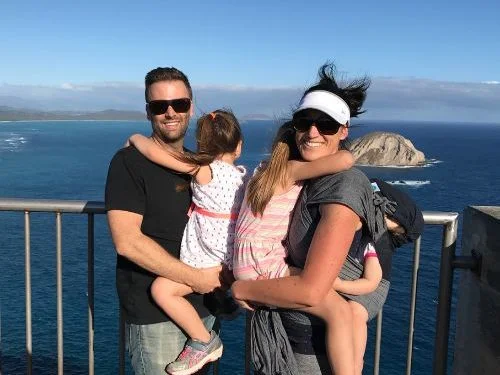
Why You Can’t Travel Between Hawaii’s Islands by Boat


Love the Podcast? Join as a member for FREE!
Affiliate Disclosure
This guide explains the surprising reasons behind Hawaii’s lack of inter-island boat transportation and what happened when one company tried to make it work. Spoiler alert: it didn’t end well.
Key Takeaways
- Hawaii has no regular ferry service between its main islands, making air travel the only realistic option for island hopping.
- The Hawaii Super Ferry failed in 2009 due to environmental concerns, legal challenges, and high operating costs totaling $180 million.
- Federal laws require American-built ships for inter-island travel, making ferry services extremely expensive compared to foreign-built vessels.
- Ocean distances between islands range from 100-150 miles with rough waters, strong currents, and challenging conditions for boats.
- Hawaiian Airlines dominates inter-island travel with quick 20-45 minute flights connecting major islands like Oahu, Maui, and Big Island.
Hawaii’s Unique Characteristics
Hawaii sits alone in the Pacific Ocean, thousands of miles from any mainland. This isolation shapes everything about island life, from the cost of groceries to the way people move between islands.
Where is Hawaii located geographically?
You’ll find Hawaii sitting in the middle of the Pacific Ocean, about 2,400 miles from the mainland United States. This tropical paradise holds the distinction of being the only state located outside of North America.
The Hawaiian islands stretch across the central Pacific, positioned roughly halfway between Asia and the North American continent.
Hawaii stands as the most isolated populated landmass on Earth. The state consists entirely of islands, making it the only archipelago state in America. Eight main islands make up this Pacific chain, with each island formed by volcanic activity over millions of years.
The closest mainland point lies thousands of miles away, which explains why air travel dominates transportation between Hawaii and the rest of the world.
Why is Hawaii the newest state in the U.S.?
Hawaii became the newest state in the U.S. because it joined the Union in August 1959. Before this date, Hawaii was a U.S. territory for nearly 60 years. The islands had been under American control since 1898, when the United States annexed the Hawaiian Republic.
During World War II, Pearl Harbor’s attack made Hawaii strategically important to America. This event showed how vital the islands were for national defense.
Statehood came after years of political debate and voting. Local residents had to decide if they wanted to become a full state or remain a territory. The majority chose statehood in a special election.
Congress then approved Hawaii’s admission on March 18, 1959. President Eisenhower signed the proclamation that made Hawaii the 50th state on August 21, 1959. Alaska had joined earlier that same year in January, but Hawaii’s later admission date makes it the newest state.
No other territories have achieved statehood since then, keeping Hawaii’s record intact.
What makes Hawaii the most ethnically diverse state?
Hawaii stands as America’s most ethnically diverse state because no single racial group makes up a majority of the population. Asian-Americans form the largest group, but they still represent less than half of all residents.
This creates a rich tapestry of cultures that you won’t find anywhere else in the United States.
People from the Philippines, Japan, China, Korea, and Pacific Islands have called Hawaii home for generations. Native Hawaiians, Portuguese, Puerto Ricans, and mainland Americans also contribute to this cultural melting pot.
Walking through Honolulu feels like taking a trip around the world, with different languages, foods, and traditions blending together on every street corner.
Why is living in Hawaii more expensive than other states?
Living in Hawaii costs more than anywhere else in America. The state holds the record as the most expensive state to live in. Everything from groceries to gas prices will shock your wallet.
A gallon of milk might cost you twice what you’d pay back home. Gas prices soar above mainland averages by dollars, not cents.
Distance drives these sky-high costs. Ships must carry nearly everything across thousands of miles of Pacific Ocean. Fresh produce travels from California or beyond, adding shipping fees to every apple and tomato.
The Jones Act requires American-built ships with American crews to transport goods between states. This law pushes transportation costs through the roof. Housing prices climb even higher because land is limited on islands.
You can’t build more land when you’re surrounded by water.
What does it mean that Hawaii is an archipelago state?
Hawaii stands as the only archipelago state in America. This means the entire state consists of islands scattered across the Pacific Ocean. No other U.S. state shares this distinction.
The state is comprised entirely of islands, making it different from every mainland state.
An archipelago refers to a chain or group of islands clustered together in a body of water. Hawaii’s islands formed from volcanic activity over millions of years. Eight main islands make up the Hawaiian chain, though only a few support large populations.
The Big Island, Oahu, Maui, and Kauai house most residents. Smaller islands like Molokai and Lanai have fewer people living there.
Hawaiian Population Distribution
You might think all Hawaiian islands buzz with people, but that’s far from reality. Most folks pack into just a few spots, leaving other islands nearly empty as ghost towns.
How many islands are in the Hawaiian archipelago?
The Hawaiian archipelago contains 137 islands scattered across the Pacific Ocean. Most of these islands are tiny, uninhabited volcanic formations that rise from the ocean floor. Eight main islands make up the bulk of Hawaii’s landmass and population centers.
Four islands host the majority of residents and tourists. Oahu houses Honolulu and attracts millions of visitors each year. The Big Island offers active volcanoes and diverse landscapes.
Maui draws travelers to spots like Ma’alaea Harbor and resort areas. Kauai provides lush scenery and dramatic coastlines. Molokai, Lanai, Niihau, and Kahoolawe complete the main island chain, though they remain sparsely populated or restricted to visitors.
Which Hawaiian islands have the largest populations?
Oahu dominates Hawaii’s population landscape with about 1 million residents calling it home. This bustling island houses Honolulu, the state capital, and serves as the economic powerhouse of the archipelago.
Most visitors fly into Oahu first through Honolulu International Airport, making it the gateway to Hawaii’s other destinations.
The Big Island comes in second place with 200,000 people spread across its massive landmass. Maui follows closely behind with 164,000 residents enjoying its world-famous beaches and resorts.
Kauai rounds out the major populated islands with 73,000 people living on what locals call the “Garden Isle.” Air travel connects these population centers daily, with Hawaiian Airlines and other carriers providing regular service between the main islands.
Why do Molokai and Lanai have minimal populations?
Molokai and Lanai have fewer inhabitants because both islands lack major economic opportunities and tourist infrastructure. Molokai’s economy depends mainly on small-scale farming and fishing, while Lanai was historically a pineapple plantation island.
Both islands have limited job markets, making it hard for residents to find steady work. The lack of major airports and resort developments keeps tourist numbers low compared to Oahu or Maui.
Geographic isolation makes life challenging on these smaller islands. Getting supplies costs more money, and medical services are limited. Many young people leave for better opportunities on the mainland or larger Hawaiian islands.
Molokai and Lanai residents often need to fly to other islands for specialized healthcare or shopping, adding to living expenses that are already high throughout Hawaii’s island chain.
Distances Between Islands
You might think island hopping sounds easy, but the Pacific Ocean has other plans. The distances between Hawaii’s islands create real challenges for boats, with some stretches spanning over 100 miles of open water.
How far is it from Oahu to Kauai?
The distance from Oahu to Kauai spans about 100 miles across the Pacific Ocean. This stretch of water creates a significant gap between the two islands, making boat travel challenging for most visitors.
Strong ocean currents and rough seas often make the journey uncomfortable and unpredictable.
Air travel remains the most practical option for island hopping in Hawaii. Hawaiian Airlines and other carriers offer frequent flights between Oahu and Kauai, completing the trip in just 30 minutes.
The flight costs less than what a ferry ticket would likely cost, and passengers avoid the rough ocean conditions that plague inter-island waters.
What is the distance between Oahu and the Big Island?
Oahu and the Big Island sit roughly 150 miles apart across the Pacific Ocean. This distance compares to traveling from New York City to Baltimore, which gives you a good sense of the span you’d cover.
Hawaiian Airlines and other carriers fly this route daily, making air travel the go-to choice for island hopping.
Ocean conditions between these islands can get pretty rough, with strong currents and unpredictable weather patterns. Ferry services would need to battle these challenging waters for hours, making the journey uncomfortable and often unsafe for passengers.
Most visitors find flying between Oahu and the Big Island takes about 45 minutes, while a ferry would require several hours of potentially choppy sailing.
Lack of Ferry Service
You might wonder why you can’t just hop on a boat to get from one Hawaiian island to another. The truth is, there’s no regular ferry service connecting Hawaii’s main islands, leaving air travel as your primary option for island hopping.
Why is there no ferry service between Hawaii’s main islands?
Hawaii’s main islands lack ferry service due to several major obstacles. The Pacific Ocean creates rough waters between islands, making boat travel dangerous and uncomfortable. Strong currents and high waves pose constant threats to passenger vessels.
Environmental risks make regular maritime transport nearly impossible to operate safely.
Federal laws also block ferry operations between Hawaii’s islands. The Passenger Vessel Services Act requires American-built ships for inter-island travel. These vessels cost millions more than foreign-built alternatives.
The Jones Act adds extra restrictions on maritime commerce. Legal barriers make ferry services too expensive for most companies to consider. Air travel through Hawaiian Airlines and other carriers remains the primary way people move between islands, since boats face too many challenges to succeed.
Where is regular ferry service available in Hawaii?
You’ll find regular ferry service between Maui and Lanai. This route operates daily, connecting Ma’alaea Harbor on Maui to Manele Bay on Lanai. The journey takes about 45 minutes each way.
This ferry service works because the distance stays manageable. Lanai sits just nine miles from Maui’s coast. The waters between these two islands remain calmer than other inter-island channels.
Most visitors use this ferry to take day trips to Lanai‘s beaches and resorts.
How do people primarily travel between the islands?
Almost all inter-island travel happens by air. Hawaiian Airlines dominates this market with frequent short-haul flights connecting the major islands. Island Air also provides service, though on a smaller scale.
These carriers run multiple daily flights between destinations like Honolulu, Kahului, and Kona. Flight times stay short, typically ranging from 20 to 45 minutes between most island pairs.
Air travel became the standard because it’s fast, reliable, and relatively affordable. Booking a flight from Oahu to Maui takes less effort than planning a boat trip. The airlines schedule flights throughout the day, giving travelers flexibility with their plans.
Weather rarely disrupts these short flights, unlike boat travel which faces rougher ocean conditions.
Past Attempt at Ferry Service
The Hawaii Super Ferry launched in 2007 with big dreams of connecting the islands by sea, but it crashed and burned faster than a tourist’s first attempt at surfing Pipeline. Want to know what went wrong with this ambitious project?
What was the Hawaii Super Ferry?
The Hawaii Super Ferry was an ambitious project that aimed to connect the major Hawaiian islands through high-speed vessel service. This ferry system began its journey in 2001 when planners first conceived the idea of linking Hawaii’s scattered islands.
By 2004, the company signed a contract for two massive ferries costing a total of $178 million. These vessels were capable of transporting personal vehicles and belongings, making inter-island travel more convenient for residents and visitors alike.
Picture yourself driving your rental car right onto a ferry in Ma’alaea, then sailing across the Pacific to explore another island without booking separate flights through Hawaiian Airlines.
The Hawaii Super Ferry promised exactly that experience. Each ferry could carry hundreds of passengers along with their cars, motorcycles, and personal items. This service would have revolutionized how people moved between islands, offering an alternative to air travel that many had dreamed about for decades.
Why did the Hawaii Super Ferry fail?
The Hawaii Superferry faced a perfect storm of problems right from the start. Environmental groups raised serious concerns about potential harm to humpback whales during their migration season.
Legal challenges mounted quickly, with protesters blocking the ferry at harbors in 2007. The company struggled with immediate difficulties upon trying to start operations that year.
High operating costs made the service expensive for passengers, while Hawaiian Airlines already offered quick flights between islands. Many locals worried about the environmental impact on marine life and coral reefs.
The ferry also faced strict federal regulations that increased expenses significantly. Public opposition grew stronger as environmental concerns spread throughout island communities, making it nearly impossible for the service to gain the support it needed to survive.
Reasons for Lack of Successful Ferry Service
Several factors work against ferry service in Hawaii’s waters, making it nearly impossible to run a profitable boat operation between the islands.
What geographical and environmental challenges affect ferry service in Hawaii?
The waters surrounding the Hawaiian Islands are rough, making ferry travel difficult for passengers. Ocean depths between islands are extreme, with over 6,000 feet separating Maui and the Big Island.
These deep waters create strong currents and unpredictable wave patterns that can turn a simple boat ride into an uncomfortable experience. Ferry operators need ocean-rated vessels, much larger and sturdier than typical coastal boats, to handle these challenging conditions safely.
The natural environment doesn’t make inter-island travel easy in Hawaii’s waters. Strong trade winds create whitecaps and swells that would challenge even experienced sailors. The Pacific Ocean between islands acts like a funnel, concentrating wind and wave energy into narrow channels.
Ferry services require specialized equipment and experienced crews to operate in these conditions, significantly increasing costs compared to air travel with Hawaiian Airlines.
How do public perception and demand influence inter-island travel choices?
Most Hawaiian residents don’t want to commute between islands daily. They prefer air travel for occasional trips instead of regular ferry rides. Hawaiian Airlines dominates inter-island flights because locals find flying faster and more convenient.
You’ll notice that demand for ferry service remains low among people who actually live here. Island residents are concerned about ferry boats bringing too many tourists to their communities.
Ferry service could increase overtourism across the islands. Local people are concerned that inexpensive boat rides would bring many visitors to their neighborhoods. This creates strain on roads, beaches, and local infrastructure.
Many residents recall traffic jams and crowded areas from past tourism increases. They don’t want ferry boats to repeat these issues. Public opposition grows stronger when communities consider more cars filling their streets and more people competing for parking spaces.
Outcome and Aftermath of the Hawaii Super Ferry
The Hawaii Super Ferry’s collapse left passengers stranded, investors broke, and the state without inter-island boat service – a transportation disaster that still shapes how you travel between islands today.
What happened immediately after the Hawaii Super Ferry stopped operating?
The Hawaii Supreme Court ruling in 2009 brought operations to an abrupt halt. You witnessed the immediate shutdown of all ferry services between islands. Passengers who had booked future trips found themselves scrambling for alternative transportation.
Hawaiian Airlines suddenly saw increased demand as travelers switched to air travel for inter-island journeys.
Financial troubles hit the company hard after the court decision. The Hawaii Super Ferry had transported approximately 250,000 passengers, which fell well below break-even costs. Company executives declared bankruptcy shortly after operations ceased.
Two massive ferries sat abandoned in harbors, becoming expensive reminders of the failed venture.
Why did the ferry fail to attract enough passengers to be profitable?
You faced a tough choice between the Hawaii SuperFerry and Hawaiian Airlines flights. Journeys lasted 6 to 8 hours or longer, leading to seasickness for many passengers. Day trips were impractical, necessitating overnight stays on other islands.
Most travelers found this schedule too demanding for short visits.
Roundtrip flights were cheaper, faster, and more comfortable than ferry rides. Air travel took just 30 minutes between most islands, while ferry passengers endured rough ocean conditions for hours.
Families with children especially avoided the long boat rides. Business travelers needed quick connections that only airlines could provide.
What was the financial outcome for the Hawaii Super Ferry company?
The Hawaii Super Ferry company faced a complete financial disaster. The business laid off all employees after operations stopped. The US Navy acquired the ferries for $35 million, far below the $180 million purchase price.
This massive loss shows how badly the company failed financially.
The ferry service never attracted enough passengers to make money. Operating costs stayed high while ticket sales remained low. Investors lost millions of dollars when the company shut down.
The hawaii superferry became one of the biggest transportation failures in Hawaiian history. The company couldn’t recover from legal battles and public opposition that hurt ridership numbers.
Geographic and Legal Obstacles
Federal maritime laws create a maze of red tape that makes ferry service between Hawaiian islands nearly impossible to operate profitably. The Passenger Vessel Services Act requires any ferry connecting U.S. ports to be built in America, which can cost hundreds of millions more than foreign-built vessels.
How do the Passenger Vessel Services Act and Jones Act affect ferry services?
The Passenger Vessel Services Act and Jones Act create major roadblocks for ferry companies in Hawaii. These federal laws require U.S. water-operating vessels to be U.S.-built and crewed by Americans.
Building ships in America costs much more than overseas construction. Ferry operators face massive expenses before they even start service.
The Jones Act promotes maritime protectionism, making foreign-built vessels illegal for inter-island routes. Companies must purchase expensive American-made boats and hire U.S. crews.
This drives up operational costs significantly. The hawaii superferry struggled with these exact financial pressures. Foreign cruise lines avoid these rules by visiting international ports, but local ferry services cannot escape these requirements.
What legal and cost barriers exist for ferry operations in Hawaii?
Federal maritime laws create massive financial hurdles for ferry companies in Hawaii. The Passenger Vessel Services Act and Jones Act force operators to buy ships from domestic shipyards, resulting in high prices that make ferry service extremely expensive to launch.
These regulations mean you can’t simply purchase a cheaper foreign-built vessel and start running routes between islands.
Cost barriers go far beyond just buying boats. A 2017 ferry feasibility study concluded it’s not economically feasible to run profitable inter-island ferry service in Hawaii. The study found that operational expenses, combined with limited passenger demand, make it nearly impossible for companies to break even.
Most travelers prefer the speed and convenience of hawaiian airlines flights over slower boat travel, which creates a tough market for ferry operators to crack.
Conclusion
So there you have it. Your dreams of island-hopping by ferry will stay just that, dreams. The Hawaii Super Ferry proved that Mother Nature doesn’t care about your travel plans when she throws 20-foot swells at a boat full of seasick passengers.
Air travel remains king in paradise, and Hawaiian Airlines will keep flying you between islands while ferry companies count their losses from the bottom of the ocean.
Our Favorite Hawaii Travel Resources!
✈️ Flights: For the cheapest flights, we use Skyscanner
🚗 Rental Car: We recommend Discount Hawaii Car Rental
🌋 Attractions: We recommend Viator
🌺 Luaus and Tours: We recommend Hawaii Tours
📱 Mobile Tour App: Our favorite is Shaka Guide
Listen On:
Connect With Us
Review This Podcast On:
Planning a trip to Hawaii? Join Our Facebook Group!
It’s the perfect place to ask any questions and to be inspired for your trip to Hawaii!
Transcript
167_Why You Can’t Travel Between Hawaii’s Islands by Boat
[00:00:00] Introduction: Why No Ferries Between Hawaii’s Islands?
[00:00:00] Bryan Murphy: So why can’t you travel between Hawaii’s islands by boat? Well, in this episode, you’ll discover the surprising reasons there’s no ferry linking. Hawaii’s major islands, plus the real story behind why every attempt to connect them by boat has failed.
[00:00:19] Bryan Murphy: Aloha.
[00:00:19] Host Introduction and Episode Inspiration
[00:00:19] Bryan Murphy: Welcome to Hawaii’s Best. The podcast helping Travelers Plan an unforgettable Hawaii vacation with insider tips in featuring local voices. I’m Brian Murphy, a husband dad of three, and certified Hawaii destination expert. Each week I share local insights, travel tips, and up-to-date news, sometimes with guests across Hawaii and sometimes solo.
[00:00:40] Bryan Murphy: All to help you plan your next trip to Hawaii.
[00:00:47] Bryan Murphy: Hello. Hi and welcome to episode 1 67 of Hawaii’s Best. Thanks for tuning in in today. This is a question that I’ve thought about a few times before and actually what spread this episode on was my family. We were visiting some cousins at a campsite in Crystal Cove and, and my brother-in-law and me, we were looking over, it was a beautiful sunset.
[00:01:08] Bryan Murphy: We were looking over and we could see Catalina Island where we were at. And we’re just wondering, ’cause there’s quite a few routes that go to Catalina Island per day and. I wonder, you know, why isn’t that possible for the islands in Hawaii? So that’s kinda really what spurred this episode. I thought about it before, and as I started looking into it and doing the research for this episode, it’s a lot more complicated than I thought it would be.
[00:01:31] Bryan Murphy: So today I’m gonna be breaking down exactly why ferries don’t work in Hawaii, and we’ll look at the geography, the history, and why every attempt to date has failed. And by the end of this episode, you’ll understand why. Planes are still really the only real option for getting around. Hawaii and island hopping. In addition to the logistical challenges posed by the islands’ geography, the limited demand for ferry services and the high costs associated with maintaining them have also played significant roles in their failure. As we dive deeper into this topic, I’ll provide some essential Hawaii travel updates and tips to help you navigate the islands more efficiently. Understanding the transportation landscape will ensure your adventures are both enjoyable and hassle-free.
[00:01:50] Geographical Challenges of Ferry Services
[00:01:50] Bryan Murphy: We’re gonna start with the geography. Hawaii isn’t just a few islands close together. It’s actually 137 islands, islets, atolls, et cetera, spread across the Pacific Ocean, but only four of them really matter. For transportation, we’re gonna be talking mainly about Oahu, Maui, Hawaii Island, the big island, and Hawaii.
[00:02:13] Bryan Murphy: I’ll talk a little bit about. About Lena and Molokai, which is just off of Maui, and talk about how the transportation there works. But Oahu has about two thirds of the state’s population. It’s where you’ll find Honolulu, the hub of really everything. It’s a capital of Hawaii and the other are smaller, but still need to be connected as well.
[00:02:35] Bryan Murphy: And the distances are really the first problem. Oahu to Kauai is a hundred miles. Oahu to Hawaii Island is 150 miles, so it’s like driving from New York City to Baltimore, but instead of highways, you’re crossing deep ocean. And it’s not just any ocean. It’s really some of the roughest waters in the Pacific.
[00:02:58] Bryan Murphy: The ocean between these islands. Is brutal. The channels have names like the Nu Haha channel, which translates to the great Billow smashing channel that probably should tell you something. These channels are over 6,000 feet deep tradewinds and power for current surge through these channels constantly.
[00:03:19] Bryan Murphy: This isn’t like a ferry system in Washington state or Greece where you’re traveling in calm, shallower waters. Hawaii’s ferries have to cross open ocean, and that means they just need to be bigger, stronger, and way more expensive to build and maintain. A ferry ride between the islands takes six to eight hours.
[00:03:41] Bryan Murphy: Compare that to a 30 minute flight, and those six to eight hours are spent getting tossed around in rough. Seasickness is a real problem for a lot of people and many passengers who tried Hawaii’s past ferry services never came back because they couldn’t handle the rough conditions.
[00:04:00] Historical Attempts and Failures
[00:04:00] Bryan Murphy: Hawaii has tried ferries before and the biggest attempt was the Hawaii super ferry in the late two thousands.
[00:04:08] Bryan Murphy: The company spent $178 billion building two vessels, and they started service in 2007, and they connected Oahu, Maui, Kauai, and the big island. The idea seemed solid, obvious, you know, residents and tourists could bring their cars and belongings for cheaper than flying. Planning for the super ferry began in 2001.
[00:04:37] Bryan Murphy: The demand seemed to be there, and in 2001, Hawaii’s residents alone took about 4 million inner island flights. The ferry company believed many of these travelers would switch to a cheaper vehicle friendly option, but they were wrong. The Hawaii super fairy lasted less than two years, and it faced many problems from day one.
[00:04:59] Bryan Murphy: Environmentalists warn about whale strikes and the ferry routes overlapped with humpback whale migration paths. And if you’re not aware, the migration paths in Hawaii for whales is in the winter months, so usually November. Through March-ish. There were also concerns about invasive species. Hawaii is extremely protective of its ecosystem, and critics feared that allowing cars could spread species across neighboring islands.
[00:05:30] Bryan Murphy: Also, the operation issues were just as bad. Uh, passengers got sick constantly. Saline were delayed or canceled due to rough weather, and the trips were just slow, you know, up to eight hours. Between some of the islands, but legal problems really is what killed the super ferry. The company started operating without completing a required environmental impact statement, so lawsuits started piling up and in 2009, the Hawaii Supreme Court ruled that the ferry couldn’t operate until the environmental review was done.
[00:06:04] Bryan Murphy: The company already went bankrupt and shut down that huge failure. Seemed to scare off a lot of future investors and thoughts of trying it again. So since then, no one has really seriously tried to bring back large scale ferry service in Hawaii today, the only regular ferry service in Hawaii is a small one between Maui and Lanae.
[00:06:25] Future Prospects and Innovations
[00:06:25] Bryan Murphy: Now there are some future ideas worth watching. The Hawaii Sea Glider Initiative is developing high speed electric vessels that fly above the water using hydrofoil technology. They lost me at Sea Glider, but in doing research, it is kind of pretty cool. You go to Hawaii sea glider.org and you can learn more about what they got going on.
[00:06:48] Bryan Murphy: They claim speeds up to 180 miles per hour in tickets as low as $30. I. The promise is exciting and making the journey between islands incredibly fast compared to traditional ferries, but the sea glider faces some big questions. Can these vessels handle Hawaii’s rough ocean conditions while they’ve tested prototypes?
[00:07:10] Bryan Murphy: Operating them daily in the rough waters is totally different. There are regulatory hurdles to consider. Hawaii has strict laws to protect its marine ecosystem, and can the sea gliders be produced and operated affordably enough to compete with airplanes? I. So right now it’s still in development, but it’s kind of cool to check out.
[00:07:33] Bryan Murphy: Again, you can go to Hawaii sea glider.org. Maui County is also pushing for a smaller ferry system, connecting Maui, Molokai, and Lana. This would be publicly operated and focused on local needs, not necessarily tourists or visitors. The county sees ferries as a way to improve access to healthcare. Jobs and essential goods across the neighboring islands there in Maui County.
[00:08:01] Bryan Murphy: But really any future ferry system faces the same basic challenges. A 2017 study found that a statewide ferry system would need heavy subsidies to survive the, the infrastructure upgrades alone. New terminal screening areas to prevent invasive species would cost millions. And without a large, consistent customer base, it’s hard to see how a ferry system could survive without government support.
[00:08:29] Bryan Murphy: For now, planes still dominate the option for island travel. A flight from Honolulu to Maui takes about 30 minutes. Just enough time to get up cruise, get your pog drink, and then come back down for landing. Airlines like Hawaiian Airlines have invested in Hawaii’s existing airport structure. And obviously now with Southwest in there, I’m curious what’s gonna change with the Alaska Hawaiian merger, if that’s gonna change inner island travel at all.
[00:09:00] Bryan Murphy: But the reality is planes, they can just move more passengers faster, making them more profitable. And really, Hawaiian Airlines has dominated the inner island flight market for decades. One of the biggest complicated questions to answer it comes down to environmental concerns and planes burn more fuel and produce more carbon emissions.
[00:09:22] Bryan Murphy: But ferries risk spreading invasive species in causing marine life harm. So Hawaii has to balance this connectivity with protecting its fragile ecosystem and really any transportation solution has to respect Hawaii’s people and environment.
[00:09:38] Conclusion and Final Thoughts
[00:09:38] Bryan Murphy: So that’s really why you can’t travel between Hawaii by boat.
[00:09:43] Bryan Murphy: I mean, you can do the cruises and, and that can work. But as far as like island hopping or going from Maui to Hawaii island or Hawaii Island over to Hawaii, really it’s gonna be planes and it’s gonna be island hopping that way. So I hope maybe we learned something new today. This was eye-opening for me.
[00:10:05] Bryan Murphy: I didn’t know the whole story about the super fairy and the failure and all that stuff, and obviously the sea glider. That’s kind of a cool thing. But I hope you found today’s episode interesting, and that’s why Hawaii doesn’t have any fairies. If you enjoyed today’s episode, would ask you to just hit the like button on Apple Podcast or Spotify.
[00:10:26] Bryan Murphy: All right, and until next time, my friend as always live with Aloha
[00:10:34] Bryan Murphy: Mala for listening to this episode of Hawaii’s. Best to stay up to date on future episodes. Hit follow on your podcast app. Hawaii’s Best is a production of shore break media group with editing by easy podcast solutions and music courtesy of our friends stick figure.
Enjoyed this Post About KEYWORD? (Pin it to save it!)

RELATED PODCASTS

Hawaii Vacations Are Getting Shorter: Is That Bad?
[dssb_sharing_buttons columns="5" icon_width="fixed" alignment="left" icon_color="#000000" use_custom_icon_size="on" icon_font_size="16px"...

Renting a Car in Hawaii? An AI Scanner Doesn’t Replace Your Own Photos
[dssb_sharing_buttons columns="5" icon_width="fixed" alignment="left" icon_color="#000000" use_custom_icon_size="on" icon_font_size="16px"...
Leave Hawaiʻi Better Than You Found It: Help Grow a Native Forest
[dssb_sharing_buttons columns="5" icon_width="fixed" alignment="left" icon_color="#000000" use_custom_icon_size="on" icon_font_size="16px"...
Bryan Murphy is the creator of Hawaii's Best Travel and host of the Hawaii's Best podcast, a top-30 U.S. travel podcast with 700,000+ downloads and a 4.9-star rating from 280+ reviews on Apple Podcasts. A Certified Hawaii Destination Expert and member of the Hawaii Visitors & Convention Bureau, he helps visitors plan more meaningful trips to Hawaii with practical, respectful guidance. His work has been featured in Travel + Leisure, National Geographic, Yahoo!, Simple Flying, USA Today, Parents, and Fox.