
Visiting Hawaii in July: Weather, Crowds, Costs, and What to Expect in 2026
Before you scroll, I sometimes share links for Hawaii spots I genuinely recommend. No extra cost to you, it just supports the site. Read our affiliate disclosure for info.
TL;DR: July is one of Hawaii's driest and busiest months. Great beach weather every day, but expect full hotels, peak prices, and the need to book months ahead.
- Daytime highs hit 85–88°F with trade winds blowing 92% of the time, making the heat feel comfortable
- Ocean temps reach 78–81°F; morning snorkeling visibility runs 35–40 ft, dropping to 20–22 ft by afternoon
- Hotels average $307–$558 per night by island; the Fourth of July week spikes rates roughly 27% higher
- Oahu draws 518,000 visitors in July; Kauai sees only 143,000 — the least crowded major island
- Box jellyfish appear on Oahu’s south shores 8–10 days after the full moon — check conditions before swimming
- Book flights and accommodations 4–6 months out; round-trip airfare from the mainland runs $400–$800
Hawaii in July: Quick Travel Overview
July is Hawaii's peak summer month - daytime highs reach 85-88 degrees F, trade winds blow roughly 92% of the time, ocean temps sit near 80 degrees F, and rainfall is minimal. Expect the highest visitor counts and hotel rates of the year, with the Fourth of July week seeing price spikes of around 27%.
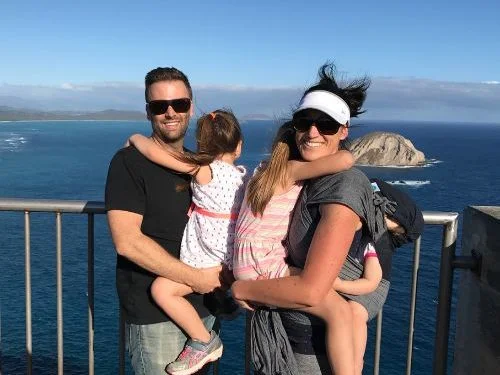
July school break makes this the busiest family travel month. Calm north-shore waters are ideal for kids to swim and snorkel. Book flights and hotels 4-6 months out and lock in restaurant reservations 2-4 weeks ahead. Kauai (143,000 July visitors) is noticeably quieter than Oahu (518,000) if you want a slower pace for young children.
First-timers get near-perfect beach conditions in July: dry days, warm 80 degrees F ocean water, and morning snorkel visibility of 35-40 feet at top spots like Molokini Crater and Poipu Beach. Oahu is the most-visited island and the easiest to navigate. Arrive early at Pearl Harbor, Haleakala, and the Road to Hana - these fill up fast by mid-morning in peak season.
July is the most expensive month to visit. Hotels average $307-$558 per night depending on island, and round-trip mainland airfare runs $400-$800 per person. To cut costs: avoid the Fourth of July week (rates spike roughly 27%), choose the Big Island or Kauai over Maui, book vacation rentals over hotels for groups, and eat at local markets rather than resort restaurants.
Box jellyfish arrive predictably on Oahu's south shores 8-10 days after each full moon - check local ocean safety alerts before swimming at Waikiki or Ala Moana. Hurricane season runs June 1 through November 30, though direct strikes on Hawaii are rare. North-shore beaches across all islands are calmest for snorkeling and swimming in July. Always check posted flag warnings before entering the water.
Key Data Points
| Metric | Value | Source |
|---|---|---|
| Average daytime high (Honolulu) | 85-88 degrees F | National Weather Service - Honolulu |
| Trade wind frequency (mid-summer) | Approx. 92% of days | NOAA Climate Data |
| Ocean temperature (statewide) | 78-81 degrees F | NOAA Ocean Service |
| Oahu visitor arrivals (July 2025) | 518,000 | Hawaii DBEDT Tourism Research |
| Kauai visitor arrivals (July 2025) | 143,000 | Hawaii DBEDT Tourism Research |
| Average hotel rate - statewide (July) | $307-$558/night by island | Hawaii DBEDT Tourism Research |
Don’t feel like reading? Listen to the episode about July in Hawaii
What is the weather like in Hawaii in July?
July brings warm weather and dry conditions to Hawaii. I found it’s one of the best months to travel to Hawaii.
The weather in Hawaii during July brings daytime highs that reach comfortable temperatures. You’ll enjoy plenty of sunshine for beach days and outdoor adventures.
What are the average temperatures and weather conditions for July in Hawaii?
Let me show you what the weather in July actually looks like across the islands in July. I checked temperatures and rainfall data for the main beach areas on each island.
| Location | Daytime High | Nighttime Low | Monthly Rainfall | Weather Conditions |
|---|---|---|---|---|
| Kailua-Kona, Hawaii | 86°F | 74°F | 0.7 inches | Sunny, warm, minimal rain |
| Kihei, Maui | 79°F | 76°F | 0.39 inches | Dry, trade winds present |
| Poipu, Kauai | 79°F | 75°F | 1.77 inches | Mostly sunny, occasional showers |
| Honolulu, Oahu | 80°F | 75°F | 0.67 inches | Warm, humid, sunny skies |
I packed light clothes for my trip. Temperatures in the mid-80s are the norm across the islands. Kailua-Kona reaches the hottest conditions at around 86°F during the day.
The heat feels comfortable thanks to the trade winds. According to a June 2026 National Weather Service forecast and historical data from NOAA’s Climate Prediction Center, Honolulu highs reliably reach 85°F to 88°F in July, but the trade winds blow roughly 92% of the time during mid-summer.
This constant breeze acts like a natural air conditioner. Which is welcomed during 4th of July celebrations.
Humidity levels climb higher than other months. I stayed hydrated throughout my days.
Rain rarely shows up in July across most islands. The leeward sides stay exceptionally dry during this time. Overnight windward showers might occur, but most days stayed bone-dry. Kihei on Maui recorded only 0.39 inches of rain, making it the driest spot I visited.
Ocean temperatures warm up beautifully for water activities. Swimming feels refreshing rather than cold. Snorkeling conditions improve with clear visibility and calm seas on most days.
Hurricane season runs from June 1 through November 30 in Hawaii. Major storms rarely strike these islands. I felt safe planning my adventure. Trade winds kept temperatures comfortable despite the heat and humidity.
Nighttime temperatures drop to the mid-70s. Evening breezes made sleeping comfortable without heavy air conditioning. Morning hours felt fresh and pleasant before the heat peaked.
How warm is the water and what activities can you do?
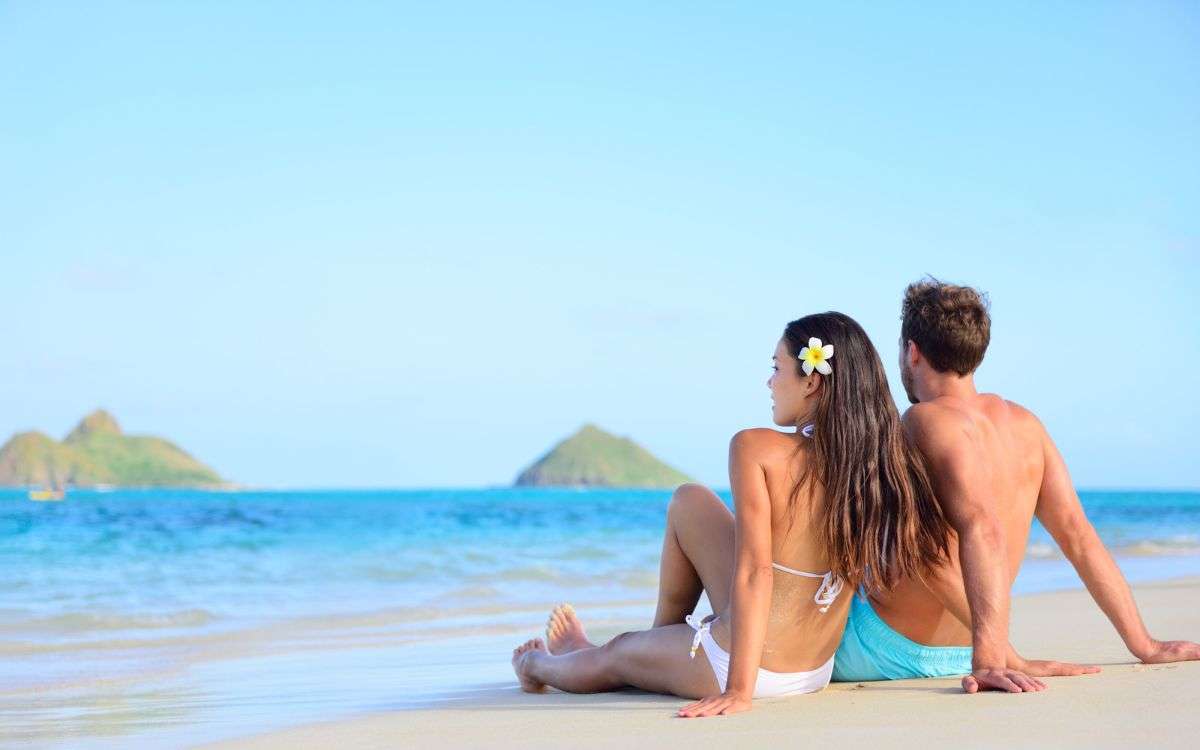
The ocean water in Hawaii during July reaches perfect temperatures for swimming and water sports. Ocean temperatures statewide range from 78°F to 81°F.
Kahului on Maui sits at 79°F. Honolulu on Oahu reaches 80°F. These warm temperatures make July a great time to visit Hawaii if you love water adventures.
The calm and clear waters during this season create excellent conditions for snorkeling, sunset tours, and ocean swimming. My favorite part about visiting the islands in July is that I can explore underwater life with ease.
Snorkeling is particularly enjoyable in July because the water clarity stays high throughout the month.
I love taking advantage of the summer weather for diverse water activities:
- Night dives with manta rays happen regularly in Kailua-Kona, especially at Kamakahonu Beach. I find this experience unforgettable.
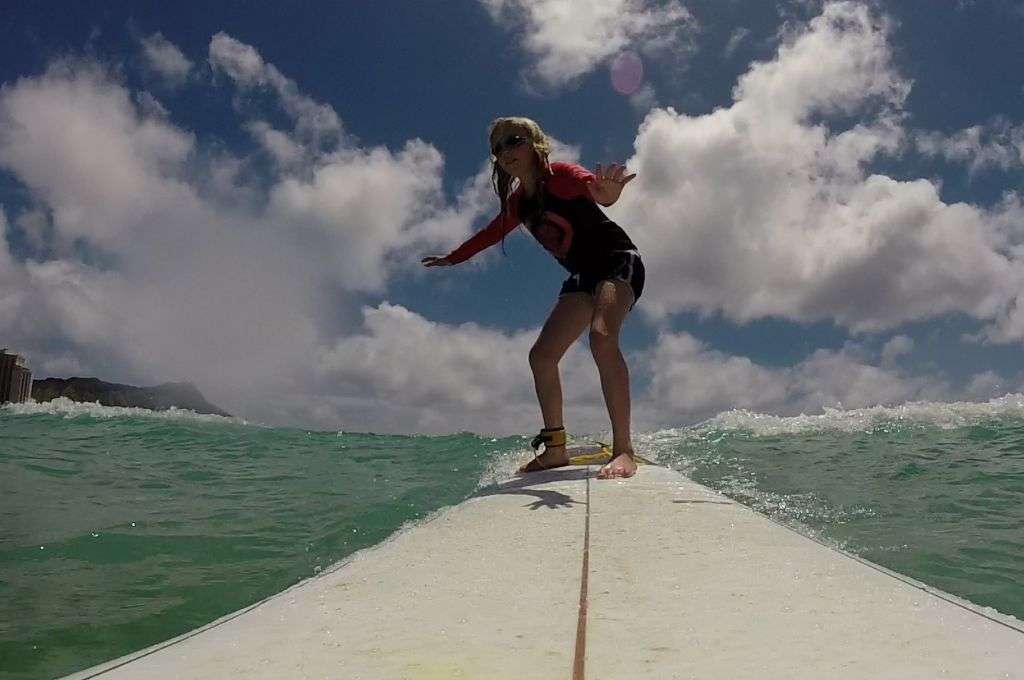
- Surfing conditions favor southern shores during July, offering great waves for experienced riders.
- Northern shores stay calmer, making them perfect for snorkeling and swimming adventures.
- Sunset boat tours provide spectacular views of the coastline during the long July evenings.
One thing I always check before heading to Oahu’s south-facing beaches involves box jellyfish warnings. These jellyfish may appear approximately 8 to 10 days after the full moon. I monitor local alerts closely.
The combination of warm water, excellent visibility, and diverse marine life makes July one of the busiest months for good reason. Activities and events centered around water sports draw travelers from around Hawaii and beyond.
Hurricane Season in Hawaii
Although July falls within Hawaii’s hurricane season, which runs from June 1 to November 30, the risk of experiencing a hurricane during your visit is relatively low.
Hurricanes in July are quite rare, with most occurrences happening, if any, later in the summer months of August and September.
However, it’s still essential to be vigilant and monitor local weather reports when planning outdoor activities during your stay. Being prepared for potential stormy weather or even having an emergency plan can help ensure a safe and enjoyable vacation.
PODCAST: What to know before visiting Hawaii
Crowds and tourism levels in July
July hits Hawaii hard with tourists from all over the world. You’ll see this peak season everywhere you go.
I learned this the hard way during my first July trip. The beaches packed with families. The restaurants filled to the brim. Popular spots on Waikiki and the North Shore buzzed with activity from sunrise to sunset.

How can I navigate travel during Hawaii’s peak season?
I face real challenges when I visit Hawaii during peak season. Smart planning helps me avoid the worst crowds and disappointment.
Here’s what works for me:
- Booking my accommodations and tours at least two to three weeks in advance. This secures the best options before they sell out during this busy time.
- Choosing less crowded islands like Kauai and the Big Island instead of heading straight to Waikiki. Massive crowds pack the beaches throughout the month on Oahu.
- Avoiding the Fourth of July week specifically. Hotel rates spike even higher and restaurants have long waits during this peak travel period.
- Visiting popular attractions early in the morning or late in the afternoon. This helps me dodge the tourist season rush that hits mid-day.
- Using hotel booking apps to compare prices across different properties. This helps me find deals that fit my budget better than peak pricing.
- Planning my activities around smaller cultural festivals and local events. Major celebrations draw huge crowds to specific areas.
- Eating at food vendors and local spots instead of tourist restaurants. This saves money and helps me experience authentic island life.
- Traveling on weekdays when possible. Weekends during peak season bring even more visitors competing for the same attractions and accommodations.
What are the top attractions and busiest areas in Hawaii during July?
Once I decide where to spend my time during peak season, I need to know which spots draw the massive crowds. The busiest areas tell me a lot about where my time will go.
| Island | Top Attractions | Visitor Arrivals (July 2025) | Crowd Level | Best For |
|---|---|---|---|---|
| Oahu | Waikiki Beach, Pearl Harbor, Lanikai Beach | 518,000 | Peak Crowds | History buffs, beach lovers, urban explorers |
| Maui | Luxury resorts, Road to Hana | High traffic | Moderate-Heavy | Scenic drives, upscale vacations |
| Big Island | Volcanoes National Park | High traffic | Moderate-Heavy | Nature enthusiasts, volcano explorers |
| Kauai | Poipu, Hanalei | 143,000 | Lighter Crowds | Peaceful retreats, scenic beauty |
Oahu dominates the summer scene. My research shows that 518,000 visitors arrive on Oahu during July 2025. Waikiki Beach becomes a solid wall of sunbathers and swimmers by mid-morning.
Pearl Harbor draws massive tour groups. I arrive early to beat the lines. Lanikai Beach offers softer sands and clearer waters, though it still fills up quickly.
Maui attracts adventure seekers. The Road to Hana becomes congested with rental cars crawling along narrow roads. Luxury resorts cluster along the coast, creating pockets of expensive tranquility. Tours and luaus demand advance reservations months ahead, especially during peak season.
The Big Island showcases natural power. Volcanoes National Park lets me witness active lava fields and crater landscapes. Crowds build steadily throughout July. Early visits work better for photo opportunities and less wait time.
Kauai remains the quiet choice. Only 143,000 visitors arrive in July 2025, making it the quietest major island. Poipu Beach provides excellent snorkeling with manageable crowds. Hanalei offers dramatic cliffs and peaceful village vibes.
July events drive extra traffic. Fourth of July celebrations pack beaches and public spaces. The Prince Lot Hula Festival draws culture enthusiasts to Oahu’s Moanalua Gardens. The International Ukulele Festival fills venues with music lovers.
Consider booking early for these events. This prevents major disappointments and secures quality seats.
Strategic timing matters. Early morning visits to attractions mean shorter lines and better conditions. Weekday visits pull fewer crowds than weekends.
Late afternoon beach trips offer calmer waters and fewer families with young children.
Costs of visiting Hawaii in July
July brings peak season prices to Hawaii. Your wallet will feel the impact.
I learned this the hard way when I booked my first summer trip. Flights cost more. Hotels charge premium rates. Everything from meals to rentals gets pricier during this popular time to visit.
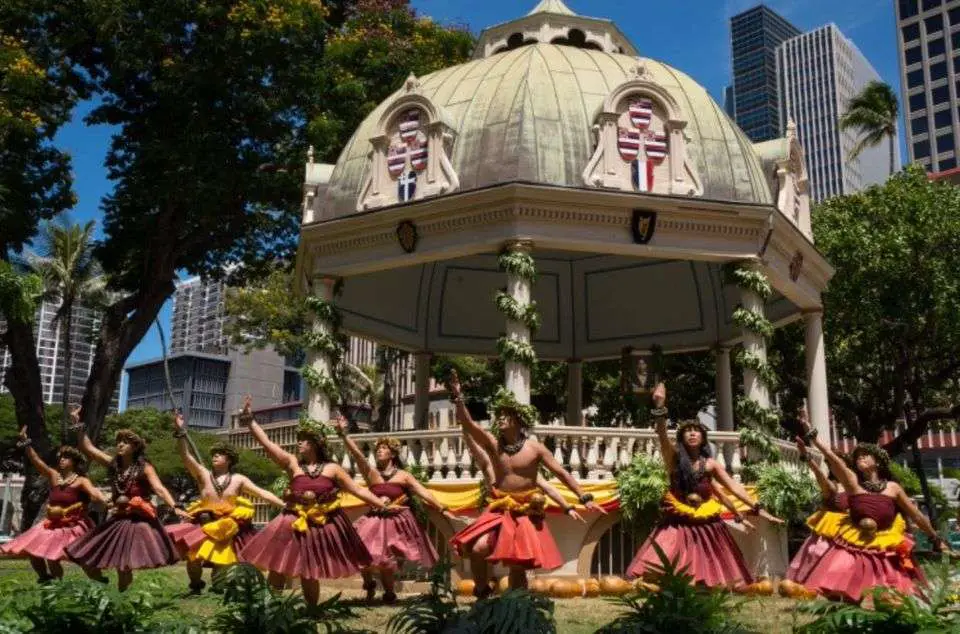
Photo courtesy of Moanalua Gardens Foundation
Higher Costs and More Tourists
July is one of the most popular months to visit Hawaii, but with popularity comes higher costs and larger crowds. The peak tourist season means flights, accommodations, and attractions are generally more expensive.
In recent years, the cost of a family trip to Hawaii has increased significantly.
The average cost of a family of four trip to Hawaii in July can vary greatly. Here’s a rough breakdown of costs for a week-long trip:
- Flights: $400 – $800 per person, totaling $1,600 – $3,200.
- Accommodations: $150 – $500 per night for a family-friendly hotel or vacation rental, totaling $1,050 – $3,500 for a week.
- Food: $100 – $200 per day for a family of four, totaling $700 – $1,400 for a week.
- Activities and excursions: $50 – $150 per person per activity, depending on the type of activity.
- Ground transportation (rental car, rideshare, or public transport): $200 – $500 for a week.
This results in an estimated range of $3,550 – $8,600 for a week-long trip to Hawaii for a family of four in July.
Remember that these figures are approximate and can vary based on your preferences and travel choices.
The larger crowds can also be an issue for visitors who prefer a quieter vacation experience. Because of this, residents in Hawaii have mixed opinions on whether tourism brings more benefits or problems to the islands.
While tourism brings billions of dollars in revenue each year, it can also cause stress on local resources and infrastructure.
What do accommodations and flights typically cost?
My wallet takes a serious hit during Hawaii’s peak travel season in July. Let me break down exactly what I found when I started pricing out my trip.
| Accommodation Type | Average Cost Per Night (July 2025) | Island |
|---|---|---|
| Hotel – Budget Friendly | $307 | Oahu |
| Hotel – Mid-Range | $439 | Statewide Average |
| Hotel – Premium | $558 | Maui |
| Hotel – High-End | $446 | Big Island |
| Hotel – Luxury | $444 | Kauai |
| Vacation Rental | $426 | All Islands (sleeps 4-6) |
Maui commands the highest hotel rates at $558 per night. Oahu offers the most affordable option at $307 per night, though availability drops fast. Big Island and Kauai fall in the middle range around $444 to $446 per night.
My statewide average sits at $439 per night across all islands. Vacation rentals average $426 per night and typically sleep four to six guests. This spreads costs among multiple travelers.
When I looked closely at pricing patterns across the islands, the numbers told a clear story. Recent rate checks across 60 properties showed Maui averaging $562 nightly for a range of accommodations. Oahu came in at $312. The Big Island hit $448. Kauai reached $446.
Vacation rentals statewide averaged $429 per night.
The Fourth of July week pushes rates dramatically higher. My research showed roughly a 27% spike compared to regular July nights. That holiday week represents the most expensive stretch for both hotels and rental units. Booking early becomes absolutely critical during this timeframe.
Flights to Hawaii during this peak season drain my budget considerably. Round-trip airfare from mainland U.S. cities ranges from $400 to $800 per person. Direct flights cost more than connecting flights. West Coast departures typically cost less than East Coast flights.
Booking flights and accommodations four to six months in advance saves me substantial money. Early reservations lock in lower rates before prices surge. My booking window should open around January or February for my July travels.
Last-minute bookings force me to pay premium prices during this busy season.
I found several money-saving strategies that work throughout my peak season visit:
- Booking mid-week flights instead of weekend departures reduces my airfare costs.
- Staying in vacation rentals instead of hotels stretches my budget further for groups.
- I can save money by visiting less popular islands like Molokai or Lanai.
- Traveling just before or after the Fourth of July week helps me avoid the priciest rates.
My accommodation choice makes a huge difference in my overall spending. I compared hotel rooms versus vacation rentals based on my group size. Small families or solo travelers benefit from hotel stays on Oahu. Larger groups save money by splitting vacation rental costs across multiple bedrooms.
Package deals combining flights and hotels sometimes offer better values. Travel websites and airlines frequently bundle these offerings during peak season. I compare package prices against booking separately. Some packages include car rentals or resort credits that add real value.
My transportation costs beyond accommodations include rental cars, taxis, and ride-sharing services. I plan to factor in approximately $50 to $70 daily for car rentals. Ride-sharing apps charge surge pricing during busy tourist times. Public transportation offers affordable alternatives on Oahu and Maui.
Meal costs vary significantly across the islands and dining types. Casual dining runs $15 to $25 per meal. Fine dining experiences cost $75 to $150 per person. Grocery shopping for condo meals saves money compared to eating out constantly.
Activity costs add up quickly during my Hawaii visit:
- Beach access remains free, but parking fees run $5 to $10 daily.
- Guided tours and water sports cost $100 to $300 per person.
- National park entrance fees apply on some islands for hiking areas.
Travel insurance makes sense for my peak season booking. Policy costs typically range from $200 to $500 for my two-week trip. I protect my investment against cancellations and medical emergencies. Insurance becomes especially important when booking expensive accommodations months ahead.
My total daily budget during peak season runs approximately $350 to $600 per person. This estimate covers accommodations, meals, activities, and transportation combined. Budget travelers can reduce costs by camping or staying in hostels. Luxury travelers easily exceed $800 daily with premium accommodations and dining.
Shoulder season travel just outside July saves me considerable money. Late June rates drop below peak season pricing. Early August offers similar savings as families return to school routines. These periods still offer excellent weather with reduced crowds and lower costs.
My advance booking strategy starts immediately after confirming my July travel dates.
How can I save money during the peak travel season?
Now that I understand what accommodations and flights cost during peak season, I can share smart ways to cut my expenses. I have found several strategies that help me stretch my budget further during Hawaii’s busiest travel months.
- I book my flights and rooms several months ahead to lock in lower rates before peak pricing hits hard. According to the Hawaii Department of Taxation’s 2026 guidelines, a 14% total “Green Fee” tourist tax (11% TAT plus 3% county surcharge) is added to hotel and vacation rental bills, making early booking even more critical to avoid sticker shock.
- Staying on less crowded islands like Kauai or the Big Island saves me money compared to popular tourist hotspots on Oahu.
- I choose vacation rentals instead of hotels, which gives my family better value and access to kitchens for cooking meals.
- Scheduling my trip for the second half of July brings me somewhat lower rates and fewer crowds than early July visits.
- I shop at local markets and grocery stores to buy food instead of eating out at expensive restaurants every day.
- Using Hawaii’s Best Travel free planning guides helps me avoid costly mistakes and unnecessary expenses during my stay.
- I select less touristy areas on the islands to find cheaper accommodations and authentic experiences away from crowded zones.
RELATED PODCAST: 5 ways to travel responsibly to Hawaii
ARTICLE: Top resorts on Maui
Events and Things to Do in Hawaii in July
July brings fireworks, parades, and patriotic celebrations across all the Hawaiian islands. I love how the islands mix Independence Day traditions with local culture to create something truly special.
Pros and Cons of Visiting Hawaii in July
The pros and cons of visiting Hawaii in July can significantly impact your travel experience. It’s essential to weigh these factors when planning your trip. The table below illustrates some of the key points to consider:
| Pros | Cons |
|---|---|
| Warm, sunny weather with low rainfall | Higher risk of hurricanes and tropical storms |
| Vibrant cultural celebrations, such as Fourth of July events | Higher costs for accommodations, flights, and activities due to peak season |
| Prime time for surfing, water sports, and beach activities | Large crowds at popular attractions and beaches |
| Great opportunities for island hopping, exploring multiple islands during your visit | Heavy traffic and limited availability of rental cars |
| Enjoy the Hawaii Food & Wine Festival and other seasonal events | Possibly limited accommodations and activities booking options due to high demand |
What happens during Independence Day celebrations in Hawaii?
The Fourth of July transforms Hawaii into a celebration paradise across all major islands. Each island hosts its own spectacular fireworks shows and parades that draw thousands of visitors.
On Oahu, Ala Moana Beach Park features one of the largest fireworks displays in Hawaii. The sky lights up with brilliant colors and loud booms.
The Big Island offers two major events:
- The Parker Ranch Rodeo in Waimea carries on a traditional July 4th rodeo experience.
- Kailua-Kona hosts an Independence Day Parade with fireworks exploding over Kailua Bay.
I found the energy exciting and the crowds massive during these celebrations. Kauai’s largest fireworks show takes place at Vidinha Stadium in Lihue during the Kauai Hospice Concert in the Sky. Music mixes with pyrotechnics.
Maui’s Grand Wailea Fireworks Display lights up Wailea Beach. Impressive explosions and colorful bursts reflect off the ocean water.
My experience showed me that visiting Hawaii in July means catching these incredible Independence Day festivities. The celebrations blend American traditions with island culture.
The celebrations start early in the day. Parades feature local marching bands, hula dancers, and decorated floats rolling through town streets.
Families gather at beaches and parks to set up picnics. They stake out viewing spots and prepare for the evening shows. The fireworks displays typically begin after sunset. The night sky transforms into a canvas of bright reds, blues, and golds.
I recommend arriving early to secure a good viewing location. Crowds and higher prices peak during this holiday week. The community spirit feels strong, mixing mainland Fourth of July traditions with the unique Hawaiian island atmosphere.
Which cultural festivals and traditions occur in July?
Beyond the fireworks and parades, July brings incredible cultural celebrations across Hawaii’s islands. I’ve experienced these festivals firsthand. They showcase the true spirit of Hawaiian traditions.
- The Prince Lot Hula Festival on Oahu stands as the largest non-competitive hula celebration in Hawaii. Held since 1978 at Frank F. Fasi Civic Grounds in Honolulu, the 49th Annual Prince Lot Hula Festival is scheduled for July 17-18, 2026, based on the official 2026 event schedule released by the Moanalua Gardens Foundation. I watched dancers perform traditional hula with grace and power that left me speechless.
- Koloa Plantation Days on Kauai celebrates plantation community heritage through parades, music, and local events in Koloa and Poipu. According to the Koloa Plantation Days committee, the event runs from July 17-26, 2026. The parade alone draws thousands of visitors who want to experience authentic island culture.
- The International Ukulele Festival of Hawai’i offers free admission at Kapiolani Park in Waikiki. Musicians from around the world perform ukulele music. I attended this event and heard sounds that made me appreciate Hawaiian music traditions deeply.
- Honolulu Night Market takes place in Our Kakaako during July with over 80 vendors. Live entertainment and cultural activities for families create a vibrant atmosphere. The food and energy there let me explore local crafts and traditions.
- The Moiliili Summer Festival brings block-party style fun near the University of Hawaii. Bon dancing and food trucks serve delicious meals. This event celebrates Japanese-Hawaiian heritage through dance, music, and community gathering.
- Kapalua Wine & Food Festival on Maui features award-winning chefs and wines with stunning coastal views. I tasted incredible dishes prepared by top culinary experts in an unforgettable setting overlooking the Pacific Ocean.
- The Paddle Imua Festival combines a community paddle race supporting children with special needs. Food trucks and live music performances accompany the event. This shows how Hawaii’s communities come together for meaningful causes.
Activities to enjoy in July
I pack my snorkel gear and hit the beach every single day when I visit Hawaii in July. The warm water and dry weather make July a beautiful time for swimming, snorkeling adventures, and nature hikes across all sides of the islands.
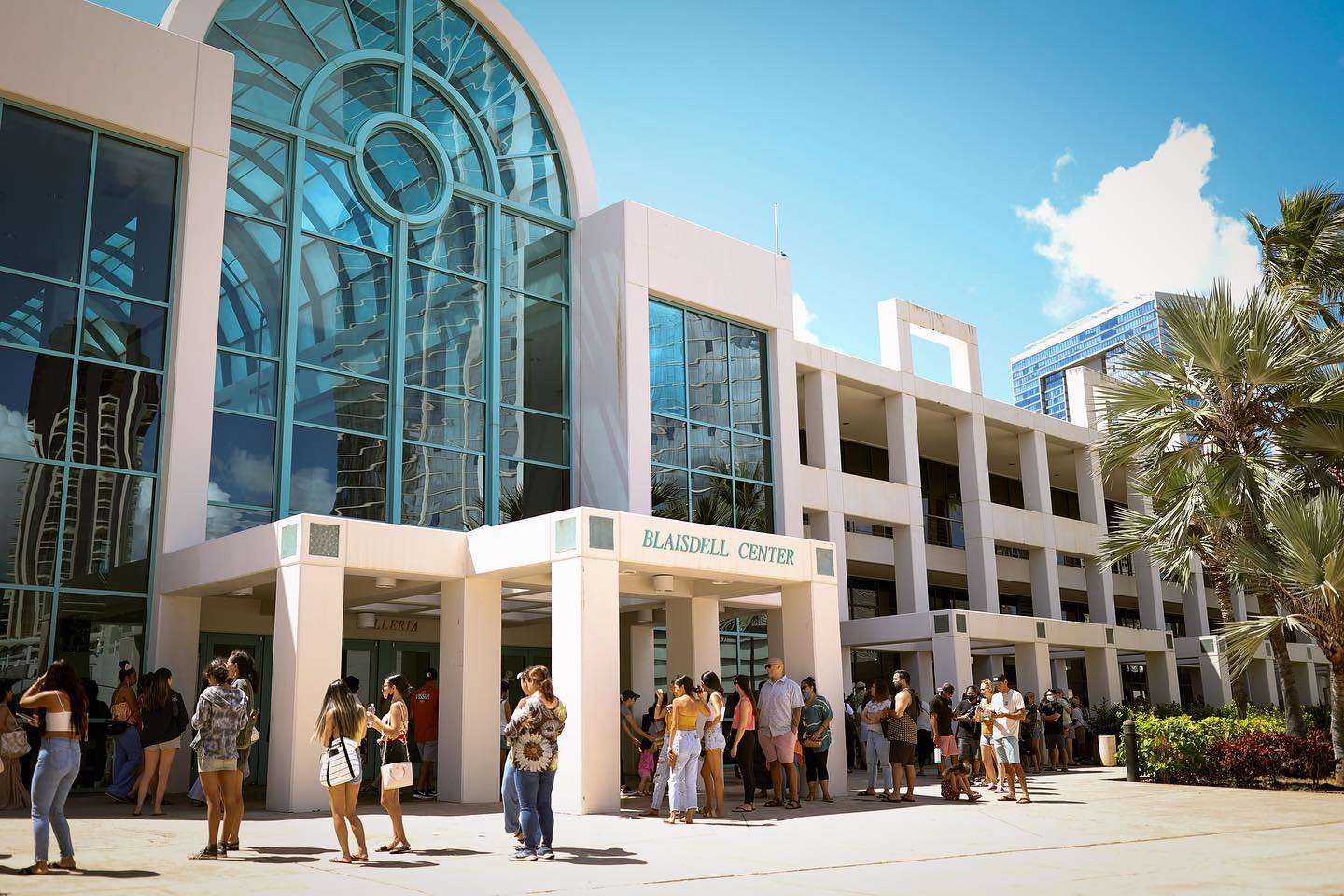
Photo courtesy of Ho’omau Hawai’i Market
What are the best beach and snorkeling adventures?
I’ve discovered some amazing spots for beach and snorkeling adventures during my July trips to Hawaii. The warm water temperatures averaging around 80°F make this one of the best times for outdoor activities in the islands.
Timing your snorkel outings makes a real difference in what you see underwater. I found that morning sessions deliver substantially clearer water for snorkeling. Visibility is roughly 1.5 to 2 times better than afternoons.
At Poipu Beach on Kauai, morning visibility averaged around 35 feet. Later in the day, it dropped to just 20 feet. Kailua-Kona on the Big Island showed similar patterns, with 40-foot morning visibility dropping to 22 feet by afternoon as boat traffic and wind pick up.
Water temperatures stayed comfortable at around 79 to 80 degrees throughout the day. I scheduled my best snorkel adventures before noon to catch the clearest views of reef fish and coral.
Here are my top picks:
- Waimea Bay on Oahu offers calm waters perfect for swimming and snorkeling in July. Minimal wave activity keeps conditions safe and enjoyable for all skill levels.
- Kaanapali Beach on Maui provides excellent snorkeling opportunities along the shore. I found colorful fish and coral formations just a short swim from the sand.
- Molokini Crater, a Marine Life Conservation District located 3 miles off Maui’s coast, is sheltered from summer surf. According to local Maui tour operators and the Hawaii Ocean Safety Team, it offers up to 150 feet of visibility on clear July mornings. This makes it a world-class snorkeling destination during the peak season.
- Poipu Beach on Kauai delivers great swimming conditions with clear visibility. I spotted sea turtles and tropical fish during my visits there.
- Hapuna Beach on the Big Island features pristine waters and fantastic snorkeling right off the beach. I experienced incredible marine life encounters there.
- The North Shore of all islands stays safest and calmest for snorkeling during July due to minimal wave activity. I always prioritize this side for my adventures.
- Night snorkeling or diving with manta rays in Kailua-Kona on the Big Island creates unforgettable experiences. I recommend booking premium snorkeling tours well in advance since they sell out quickly.
- Box jellyfish and Portuguese man-o’-war may occasionally appear on Oahu’s south shores about 8 to 10 days after the full moon. I check conditions before heading out.
- Beach barbecues and long sunny days make July perfect for extended beach outings. This allows me to enjoy swimming and relaxation throughout the day.
- Ululani’s Hawaiian Shave Ice on Maui and Oahu, Wishing Well Shave Ice on Kauai, and Kula Shave Ice on the Big Island offer refreshing treats after my beach days.
Where can I go for nature hikes and exploration?
July offers the perfect time for outdoor activities across Hawaii’s most stunning landscapes. My trips to these destinations have shown me that dry, sunny days make hiking enjoyable and safe.
- Hawaii Volcanoes National Park on the Big Island gives me access to unique volcanic landscapes and rare geological formations that I explore year-round.
- Haleakalā National Park on Maui lets me hike through diverse ecosystems, from tropical forests to high-altitude terrain with incredible views. According to the National Park Service 2026 reservation guidelines, sunrise reservations via Recreation.gov are strictly required for entry between 3:00 am and 7:00 am and can be booked exactly 60 days in advance. Showing up without a reservation means being turned away.
- The Kalalau Trail on Kauai challenges me with lush scenery and waterfall views. July is one of the driest months for clear hiking conditions along this famous trail.
- Pipiwai Trail on Maui takes me through bamboo forests and leads to stunning waterfall views that make the trek worthwhile.
- Iao Valley on Maui provides shaded hikes where I learn about local history while exploring the natural beauty of this sacred location.
- Na Pali Coast on Kauai offers me scenic hikes and calm weather during July. Boat tours showcase dramatic coastal cliffs from the water.
- Pu’uhonua O Hōnaunau National Historical Park on the Big Island teaches me about native Hawaiian traditions in just a couple of hours.
- Ali’i Kula Lavender Farm on Maui blooms in July. I enjoy scenic views, tea experiences, and a relaxing atmosphere for exploration.
- Hawaii Zipline Tours near Hilo let me soar over waterfalls and valleys. Adventure combines with amazing landscape views.
- Marine reserves and bird sanctuaries across the islands give me great time for wildlife viewing during July’s sunny, dry weather.
Hiking and Nature Walks
If you love nature and hiking, Hawaii in July is the perfect time to explore the beautiful trails and parks. Here are some top things to keep in mind when planning your hiking adventures:
- Bring plenty of water and sunscreen to stay hydrated and protected from the sun.
- Consider starting early in the morning or late in the afternoon to avoid hiking during the hottest part of the day.
- Check trail conditions before heading out, especially if it has rained recently.
- Some popular hiking spots include Diamond Head State Monument, Manoa Falls Trail, and Koko Head Crater Trail.
- For those who prefer a leisurely stroll, there are plenty of beautiful nature walks throughout Hawaii’s parks and gardens.
Remember to always respect the environment by staying on designated trails and properly disposing of any trash. With its stunning scenery and diverse wildlife, Hawaii offers a truly unforgettable experience for hikers of all skill levels. Enjoy!
RELATED ARTICLE: Top 5 Kid Friendly Hikes on Oahu
Wrap Up: Hawaii in July
July can definitely be considered as one of the best times to visit Hawaii. The weather during this month is warm and sunny, perfect for enjoying the beautiful beaches and outdoor activities.
Moreover, July offers a diverse range of cultural celebrations and exciting festivals that are unique to Hawaii.
However, it is important to note that July is also the peak tourist season in Hawaii. This means costs may be higher than at other times of the year, and crowds can be overwhelming at popular attractions.
Nevertheless, with careful planning and booking ahead of time, a trip to Hawaii in July can truly be an unforgettable experience.
Frequently Asked Questions
1. What is the cheapest month to go to Hawaii?
2. What is Maui like in July?
3. Is Maui Better in June or July?
June and July offer pleasant weather for visiting Maui, but slight differences may affect your preference.
June typically marks the beginning of the summer season in Maui, with temperatures ranging from 72°F (22°C) to 86°F (30°C). It is often less crowded than July, as many families have not yet started their summer vacations. As a result, you might find slightly lower prices and fewer tourists at popular attractions and beaches in June compared to July.
July, on the other hand, has slightly warmer temperatures, ranging from 75°F (24°C) to 88°F (31°C). Due to school holidays, it is also a popular time for tourists, especially families. This means that popular attractions, beaches, and accommodations may be busier and more expensive in July compared to June.
4. Is July a Good Time to Visit Honolulu?
July is generally a good time to visit Honolulu, as the weather is warm and sunny, making it ideal for outdoor activities and beach time. In July, temperatures in Honolulu typically range from 74°F (23°C) to 87°F (31°C), with the warmest temperatures occurring in the afternoons.
The trade winds help keep the climate comfortable, even during the hotter days.
5. How to Pack for Hawaii in July?
Hawaii enjoys summer-like weather all year round, so it’s essential to pack appropriate sun protection. Bring hats or visors, sunglasses that shield against UVA, UVB, and UVC rays, and broad-spectrum sunscreen that is free from oxybenzone and octinoxate, as these ingredients are banned in Hawaii. Remember, you’ll be visiting a tropical paradise.
RELATED POSTS
Ways You Can Help Those Affected by Hurricane Lowell
[dssb_sharing_buttons columns="5" icon_width="fixed" alignment="left" icon_color="#000000" use_custom_icon_size="on" icon_font_size="16px"...
Do You Need to Rent a Car in Hawaii? My Island-by-Island Answer
[dssb_sharing_buttons columns="5" icon_width="fixed" alignment="left" icon_color="#000000" use_custom_icon_size="on" icon_font_size="16px"...
Hawaii Reservations and Fees 2026: What You Need to Book
[dssb_sharing_buttons columns="5" icon_width="fixed" alignment="left" icon_color="#000000" use_custom_icon_size="on" icon_font_size="16px"...
Bryan Murphy is the creator of Hawaii's Best Travel and host of the Hawaii's Best podcast, a top-30 U.S. travel podcast with 700,000+ downloads and a 4.9-star rating from 280+ reviews on Apple Podcasts. A Certified Hawaii Destination Expert and member of the Hawaii Visitors & Convention Bureau, he helps visitors plan more meaningful trips to Hawaii with practical, respectful guidance. His work has been featured in Travel + Leisure, National Geographic, Yahoo!, Simple Flying, USA Today, Parents, and Fox.